How to Choose LED Indoor Cabinets for Corporate and Retail Environments?
Author : HitokaCece HitokaCece | Published On : 13 Aug 2026
Introduction
In corporate and retail environments, LED displays are more than just screens—they are statements. I have walked into lobbies where a beautifully integrated LED display set the tone for the entire building, and retail stores where dynamic displays transformed the shopping experience. LED indoor cabinets must meet different requirements than outdoor or rental cabinets—they must look elegant, fit seamlessly into the architecture, and deliver exceptional visual quality at close viewing distances. Let me share what you need to know about choosing LED indoor cabinets for corporate and retail environments.
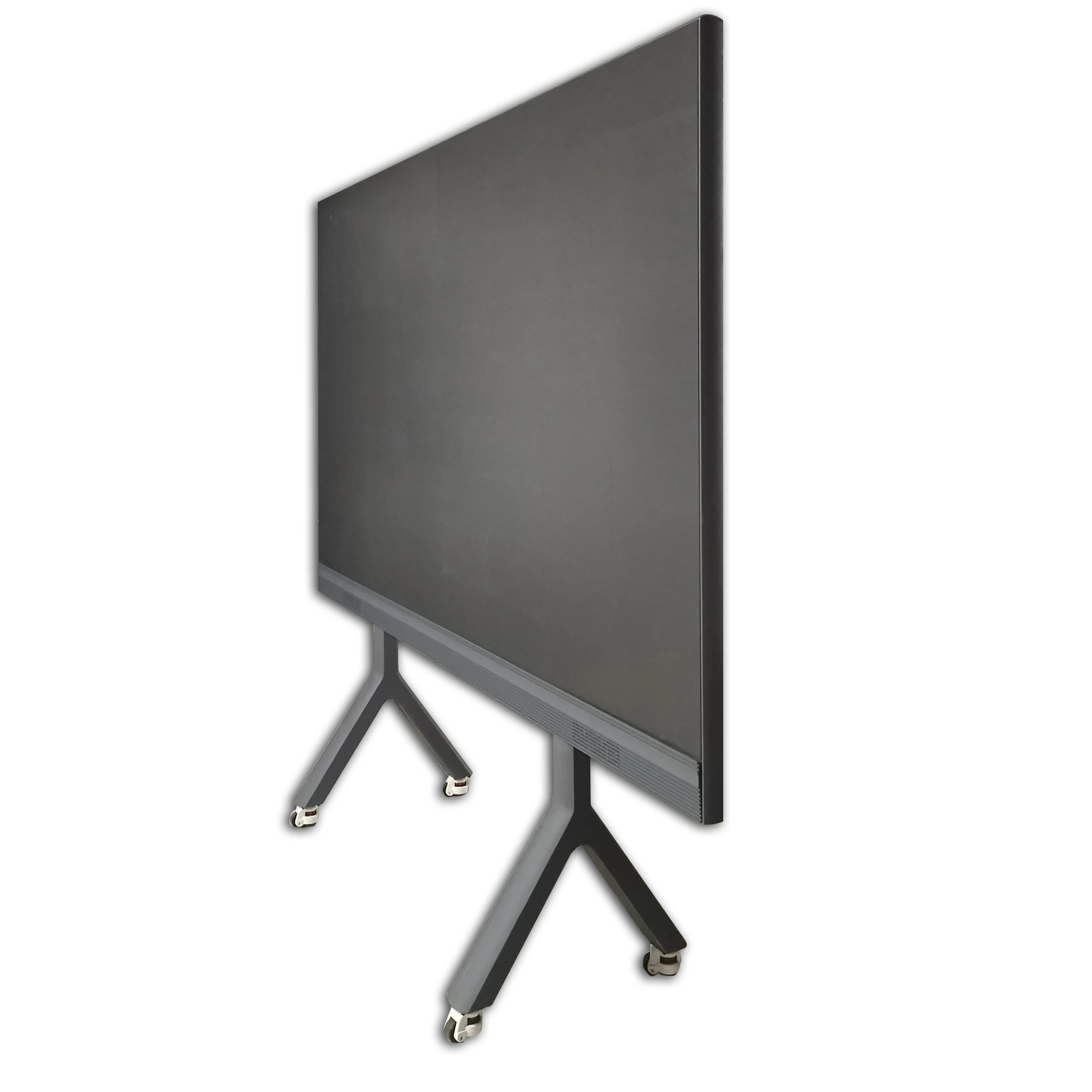
Visual Quality and Pixel Pitch of LED Indoor Cabinets
Visual quality is the most important consideration for LED indoor cabinets. In corporate and retail environments, viewers are often close to the screen—sometimes just a few feet away. This requires fine pixel pitches, typically P1.2 to P2.5, to ensure that individual pixels are not visible at close range. The display must deliver high brightness (typically 600-1500 nits for indoor applications), excellent contrast, and accurate color reproduction. Premium indoor cabinets use high-quality LEDs and advanced driver ICs to achieve consistent color and brightness across the entire display. When selecting LED indoor cabinets, prioritize visual quality that will impress viewers and enhance the environment.
Slim Form Factor and Installation of LED Indoor Cabinets
The form factor of LED indoor cabinets is critical for integration into corporate and retail spaces. Slim cabinets with depths as little as 62mm or even 31mm allow the display to sit flush with the wall, creating a clean, modern appearance. The slim profile minimizes the visual impact of the display when it is not in use and allows installation in tight spaces where depth is limited. The cabinet should include a mounting system that allows for precise alignment and secure attachment to the wall. The installation should be clean and professional, with no visible cables or hardware. A well-integrated LED indoor cabinet becomes a seamless part of the architecture rather than an add-on.
Service Access and Maintenance of LED Indoor Cabinets
Maintenance access is an important consideration for LED indoor cabinets in corporate and retail environments. Front-service cabinets allow maintenance from the display face, which is essential when rear access is blocked by walls or other structures. This design enables technicians to replace modules or perform repairs without disrupting the surrounding space. Some indoor cabinets feature front-service magnets or mechanical locks that allow quick access to components. The cabinet should also be designed for easy module replacement, minimizing downtime and disruption to the business. For corporate and retail environments where the display is a prominent feature, serviceable design ensures that the display remains in top condition with minimal disruption.
Conclusion
Choosing LED indoor cabinets for corporate and retail environments requires attention to visual quality, form factor, and service access. Fine pixel pitches (P1.2 to P2.5) ensure excellent image quality at close viewing distances. Slim cabinet designs (as thin as 31mm) enable flush installation and clean aesthetics. Front-service access simplifies maintenance in occupied spaces. By selecting LED indoor cabinets with these features, facility managers, retailers, and corporate professionals can create high-impact visual displays that enhance their environment and deliver lasting value.
