How to Choose Carbide Cutting Tools for CNC Machines
Author : Surya makeyoueasy | Published On : 01 Jul 2026
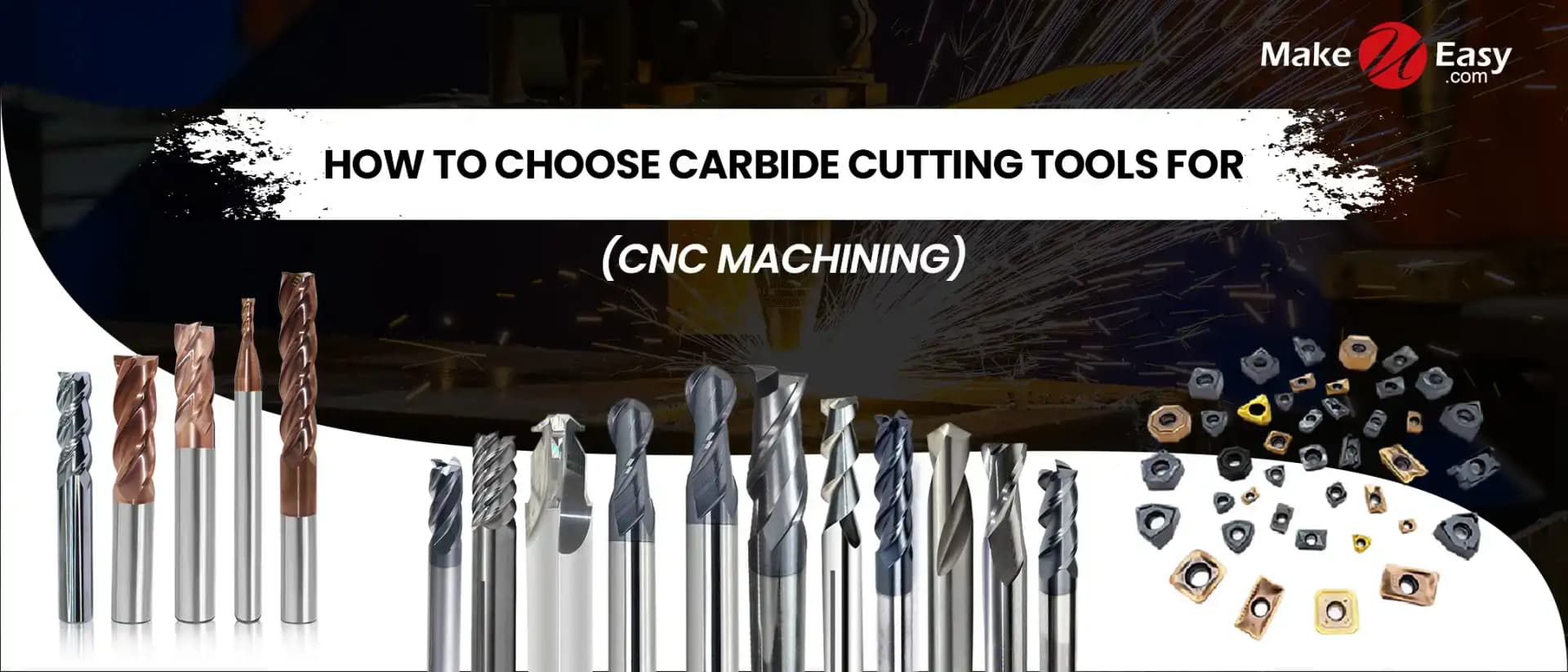
Introduction
- In the world of precision manufacturing, carbide cutting tools stand out as the gold standard for CNC machines.
- Whether you're running a lathe, mill, or VMC, selecting the right carbide cutting tools like turning inserts, milling inserts, or drilling inserts can boost efficiency, cut costs, and deliver flawless results.
- At MakeYouEasy, we specialize in high-quality CNC cutting tools and spares to help businesses in Coimbatore and beyond thrive.
But with so many options—threading inserts, grooving inserts, milling cutters, and more—how do you choose? This guide breaks it down step by step, so you can make smart decisions for your next project.
Understand Your Machining Operation
The first step in choosing carbide cutting tools for CNC machines is matching the tool to your operation.
- Turning operations: Opt for turning inserts and turning holders. These excel in lathes for external/internal profiling. Look for grades like uncoated carbide for aluminum or coated for steel.
- Milling tasks: Choose milling inserts or SC endmills (55HRC for hardened steels or aluminum variants). They're ideal for slots, pockets, and contours on VMC machines.
- Specialized cuts: For threads, grab threading inserts; for undercuts, grooving inserts. Drilling inserts and heads paired with drill bodies handle deep holes efficiently.
Pro tip : Always check compatibility with your VMC tool holders or lathe accessories to avoid vibrations.
Key Factors to Evaluate Carbide Cutting Tools
Not all carbide cutting tools are created equal. Focus on these specs:
- Material and Grade: Carbide's tungsten-carbide base offers hardness up to 90 HRA. Sub-micron grades resist wear; multi-layer PVD/CVD coatings (TiAlN for high-speed) extend life by 3-5x.
- Geometry: Positive rake angles reduce cutting forces for softer materials; negative for tough alloys. Chamfered edges on milling cutters prevent chipping.
- Size and Tolerance: Match ISO standards—e.g., standard turning inserts in CNMG or DNMG shapes. Precision matters for VMC boring bars.
- Coolant Compatibility: Tools with through-coolant channels pair perfectly with your coolant systems.
At MakeYouEasy, our SC tiny tools and aluminum endmills are precision-engineered for Indian manufacturers facing high-volume runs.
Match Tools to Workpiece Materials
Your material dictates the carbide cutting tool choice:
| Workpiece Material | Recommended Tools | Why It Works |
|---|---|---|
| Aluminum & Non-Ferrous | SC Endmill Aluminium, Turning Inserts (uncoated) | Low friction, high speeds up to 10,000 RPM. |
| Steels (Mild/Hardened) | Milling Inserts, SC Endmill 55HRC | Heat-resistant coatings handle 55HRC hardness. |
| Stainless/Titanium | Threading Inserts, Grooving Inserts | Sharp edges for sticky materials. |
| Cast Iron | Drilling Inserts, Milling Cutters | Chip-breaking geometry clears debris fast. |
Test small batches first—pair with measuring gauges like vernier calipers or micrometers from our range to verify tolerances.
Factor in your CNC machine spares and setup
- Machine Power: High-spindle VMCs suit heavy-duty milling cutters; lighter lathes need zero nuts and ER collets for stability.
- Speed and Feed Rates: Use manufacturer charts—e.g., carbide turning inserts at 200-400 m/min for steel.
- Tool Life and Cost: Balance upfront price with longevity. Our VMC pull studs and tool boy locking devices minimize downtime.
Invest in quality to avoid frequent changes—our CNC accessories like SC tiny tools sleeves ensure repeatability.
Maintenance and Best Practices
Extend carbide cutting tool life with these habits:
- Use proper lubrication systems and coolant systems to dissipate heat.
- Inspect with height gauges or depth measuring gauges for wear.
- Store in simple measuring gauges-protected cases to prevent damage.
- Rotate tools systematically with VMC boring holders and spares.
Regular checks on pneumatic systems and hydraulic systems keep everything humming.
Conclusion
Mastering how to choose carbide cutting tools for CNC machines empowers you to achieve superior finishes, faster cycles, and lower costs. By aligning tools like turning inserts, milling cutters, and drilling heads with your materials, machine, and operations, you'll unlock peak performance. Partner with MakeYouEasy for premium CNC cutting tools, measuring gauges, and accessories—shop now at makeyoueasy.com and elevate your manufacturing game today.
FAQ
Carbide offers 5-10x longer life and higher speeds due to its superior hardness (up to 90 HRA) and heat resistance, ideal for demanding CNC machines.
Use uncoated for aluminum, TiN-coated for steels, and CVD for cast iron. Check our turning inserts range for ISO-grade options.
No—choose SC Endmill Aluminium for soft metals and 55HRC variants for steels to avoid rapid wear.
Coatings like PVD TiAlN reduce friction, prevent built-up edge, and boost tool life by 300% in high-heat operations.
MakeYouEasy stocks VMC tool holders, ER collets, pull studs, and more with quick delivery from Coimbatore.
