How to Choose a Top Rated Hair Transplant Clinic: A Detailed Guide to Treatment, Results, Cost and A
Author : The Skin and Hair Clinic | Published On : 07 Aug 2026
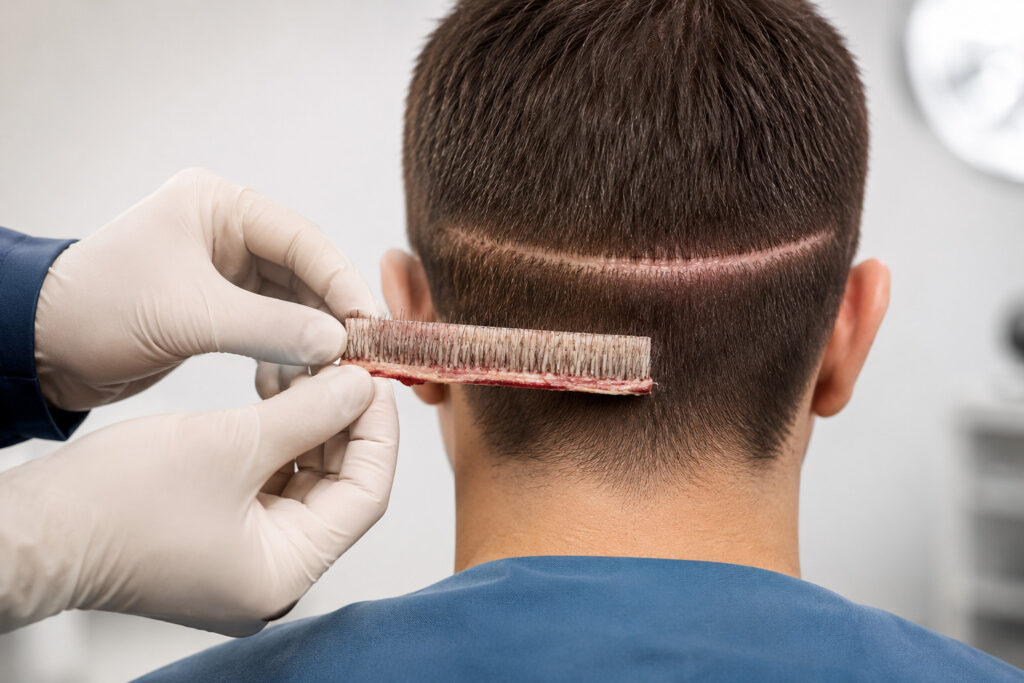
Choosing the right hair transplant clinic is one of the most important decisions you can make when dealing with hair loss. A hair transplant is a long-term investment in your appearance and confidence, so selecting a clinic based only on price or promotional offers may not always be the best approach. Instead, patients should consider the clinic's experience, treatment techniques, medical standards, surgeon expertise, expected results, costs and aftercare services.
Finding a top rated hair transplant clinic can make the treatment journey more reassuring, but it is important to understand what actually makes a clinic reputable. Reviews and ratings can provide useful insights, but they should be considered alongside clinical expertise, treatment planning and patient care.
Understand What Makes a Hair Transplant Clinic Highly Rated
A clinic's reputation is usually built over time through patient experiences, treatment outcomes and the quality of care provided. When researching clinics, look beyond star ratings and examine what previous patients say about their overall experience.
A reputable clinic should provide clear information about its procedures, explain what patients can realistically expect and offer personalised recommendations rather than promoting the same treatment to everyone.
You should also look at the qualifications and experience of the medical professionals carrying out the procedure. Hair transplantation requires careful planning, particularly when designing the hairline and determining how donor grafts should be distributed.
Before making a decision, check whether the clinic provides detailed consultations and whether you have an opportunity to discuss your concerns with an appropriately qualified professional.
Research the Hair Transplant Techniques Available
Not every hair transplant procedure is suitable for every patient. Clinics may offer different techniques, including Follicular Unit Extraction (FUE), Follicular Unit Transplantation (FUT) and Direct Hair Implantation (DHI).
FUE involves extracting individual follicular units from the donor area before implanting them into areas affected by hair loss. FUT involves removing a strip of tissue containing hair follicles from the donor area, which is then divided into individual grafts.
DHI is another hair restoration approach in which extracted follicles are implanted using a specialised implantation device. The technique allows the placement of individual grafts into carefully selected areas of the scalp.
If you are considering dhi hair transplant liverpool, make sure you research the clinic's experience with the technique rather than choosing a provider simply because the procedure is advertised. Ask how the treatment is planned, who performs the procedure and how the clinic approaches hairline design and graft placement.
Check the Experience of the Surgical Team
The experience of the medical team should be one of your main considerations. Hair transplantation is not simply about moving hair follicles from one part of the scalp to another. Successful treatment requires careful assessment of hair loss patterns, donor density, hair characteristics, hairline position and future hair loss.
During your consultation, ask who will perform the procedure and what role the surgeon or medical team will have throughout the treatment.
You can also ask about the clinic's experience with cases similar to yours. For example, someone with advanced male pattern hair loss may require a different treatment strategy from someone with early-stage thinning or a receding hairline.
A professional clinic should be comfortable explaining its approach and answering questions about the treatment process.
Look at Before and After Results Carefully
Before and after photographs can help you understand the type of results a clinic may achieve. However, it is important to look at these images critically.
Try to find examples involving patients with similar hair loss patterns, hair types and levels of thinning. Pay attention to the hairline, density, graft placement and overall natural appearance.
A good result should not simply look like a large amount of hair has been added. The transplanted hair should complement the patient's existing hair and create a natural transition between the forehead and scalp.
You should also be cautious of clinics that make unrealistic promises. Hair transplant results vary between individuals, and factors such as donor hair availability, existing hair loss and individual healing can influence the final outcome.
Consider the Consultation Process
A detailed consultation is an important part of choosing a reputable clinic. It should give you an opportunity to discuss your concerns and understand whether a hair transplant is appropriate for you.
During the consultation, the clinic may assess your scalp, donor area and pattern of hair loss. They should also discuss your expectations and explain the available treatment options.
Ask questions about:
-
The recommended procedure
-
The estimated number of grafts
-
Hairline design
-
Donor area availability
-
Expected recovery period
-
Potential risks and side effects
-
Future hair loss
-
Aftercare requirements
-
Estimated treatment costs
A good consultation should feel informative rather than rushed or heavily focused on making an immediate sale.
Understand the Total Cost of Hair Transplant Treatment
Cost is naturally an important factor when selecting a clinic, but it should not be the only consideration. Hair transplant prices can vary depending on the technique used, number of grafts required, clinic location, medical team and level of aftercare provided.
Some clinics may advertise low starting prices, but the final cost could depend on the number of grafts or additional services required.
Before booking treatment, ask for a clear breakdown of what the quoted price includes. This may include the consultation, procedure, medication, follow-up appointments and aftercare.
Comparing clinics based purely on price can be misleading. A lower-cost procedure may not necessarily provide the level of expertise, personalised planning or aftercare that you expect.
Instead, consider the overall value of the treatment. A clinic with experienced professionals, appropriate facilities, transparent pricing and comprehensive aftercare may provide greater reassurance throughout your restoration journey.
Ask About Hairline Design and Graft Planning
Hairline design is one of the most noticeable aspects of a hair transplant. An overly straight or excessively low hairline may look unnatural, particularly as the patient ages.
A skilled medical team should consider factors such as age, facial proportions, existing hair density and future hair loss when planning the hairline.
Graft planning is equally important. Your donor area contains a limited supply of hair follicles, so these follicles need to be used strategically.
A reputable clinic should explain how many grafts may be required and why. The goal should be to achieve an appropriate balance between density and long-term donor hair preservation.
Review the Clinic's Safety and Medical Standards
Patient safety should always be a priority. Before booking, research the clinic's medical standards, facilities and regulatory status where applicable.
You should feel comfortable asking about infection control, treatment facilities, medical supervision and what happens if you experience a concern following the procedure.
A professional clinic should provide clear pre-treatment and post-treatment instructions. You should also know who to contact if you have questions during recovery.
Choosing a clinic that takes these aspects seriously can provide greater confidence throughout the process.
Understand the Recovery and Aftercare Process
Aftercare can have an important role in your overall hair transplant experience. Your clinic should provide detailed instructions explaining how to care for your scalp after the procedure.
Depending on the treatment, patients may be advised to avoid certain activities for a period of time, follow specific washing instructions and protect the scalp during the early healing stage.
Some temporary effects, such as redness, swelling, scabbing or sensitivity, may occur following treatment. Your clinic should explain what is normal and when you should contact the medical team.
Follow-up appointments can also be useful for monitoring progress and addressing questions during recovery.
Be Realistic About Hair Transplant Results
Hair transplant results do not appear immediately. Newly transplanted follicles require time to settle and begin producing new hair.
Patients may experience an initial shedding phase before new growth becomes noticeable. Hair growth then develops gradually, and the final appearance can take months to become established.
A reputable clinic should explain this timeline before treatment rather than promising instant results.
The quality of the result can depend on several factors, including graft survival, donor hair quality, individual healing, existing hair loss and adherence to aftercare instructions.
Having realistic expectations is therefore an important part of a successful hair restoration journey.
Read Reviews and Patient Experiences
Online reviews can help you understand how previous patients felt about a clinic. However, do not rely on reviews alone.
Look for recurring comments about consultation quality, communication, professionalism, treatment experience, aftercare and overall satisfaction.
It can also be useful to examine independent review platforms rather than relying exclusively on testimonials published by the clinic.
Remember that individual experiences can vary, so reviews should be used as one part of your overall research rather than as the sole basis for your decision.
Why Choosing the Right Clinic Matters
A hair transplant is a highly individual procedure. The same technique may produce different outcomes depending on the patient's hair characteristics, donor supply, treatment plan and the expertise of the medical team.
This is why selecting a clinic should involve more than searching for the cheapest procedure or the highest online rating.
A top rated hair transplant provider should combine experienced professionals, appropriate treatment options, personalised planning, transparent communication and comprehensive aftercare.
If you are specifically researching dhi hair transplant liverpool, take the time to compare clinics and understand exactly what their DHI treatment involves. A thorough consultation can help you determine whether the procedure is appropriate for your individual hair restoration goals.
Book Your Hair Restoration Consultation
If you are considering a hair transplant and want to understand which treatment may be suitable for your hair loss, professional guidance is an important first step. The Skin and Hair Clinic provides personalised hair restoration consultations designed to assess your individual needs and discuss suitable treatment options.
Whether you are exploring FUE, FUT or DHI, taking the time to understand your options can help you make a more informed decision. Discuss your expectations, donor area, treatment plan, estimated graft requirements, recovery and aftercare with an experienced team before proceeding.
Contact The Skin and Hair Clinic today to arrange a consultation and take the next step towards your personalised hair restoration plan.
