How to Choose a Personal Trainer in Milton Keynes: A Practical Guide
Author : The PT Centre | Published On : 05 Nov 2026
Choosing a personal trainer in Milton Keynes is easier when you know what to check. Qualifications, a proper consultation and a plan built around your week matter far more than a slick website.
This guide explains what good coaching looks like, what it costs and how to spot a poor fit.
What the NHS Says You Actually Need
Before you pay anyone, know the baseline. The NHS recommends adults aged 19 to 64 do at least 150 minutes of moderate activity a week. Alternatively, 75 minutes of vigorous activity counts.
It also advises strength work on at least two days a week. That should cover your legs, hips, back, abdomen, chest, shoulders and arms.
A good trainer should help you reach those targets sustainably. If their plan ignores them, ask why.
Health note: The NHS advises speaking to your GP first if you have not exercised for a while or have a medical condition. This guide is general information, not medical advice.
Check the Credentials of an Experienced Personal Trainer
Anyone can call themselves a trainer. Not everyone is qualified. An experienced personal trainer should be able to show proof.
REPs, the Register of Exercise Professionals, recommends checking for these:
-
A Level 3 personal training qualification as the UK baseline
-
A current entry on the REPs public register
-
Public liability insurance
-
A valid first aid qualification
CIMSPA offers another check. Its Personal Trainer Practitioner status confirms a trainer meets the professional standard. It also requires ongoing development, with 10 CPD points a year.
Neither guarantees results. Both show a trainer takes the job seriously.
What One-to-One Fitness Coaching Should Include
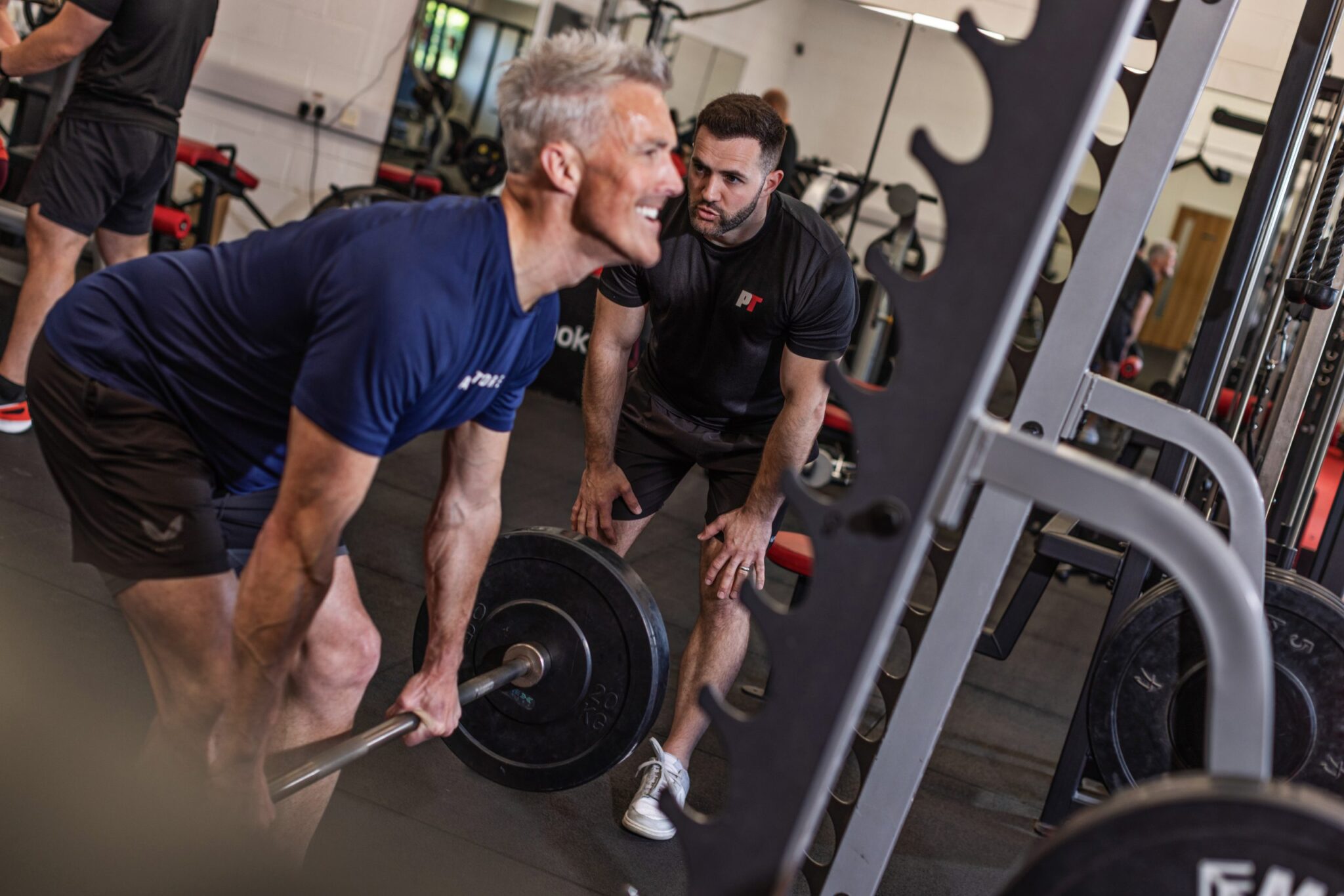
One-to-one fitness coaching means a trainer focuses on you for the whole session. That should go beyond counting repetitions.
Look for these basics:
-
An initial assessment: goals, injury history, sleep, stress and current activity
-
Technique coaching: form checks and clear demonstrations
-
Progress tracking: measures that matter to you, not just the scales
-
Contact between sessions: check-ins, adjustments and support
REPs also suggest a good trainer asks about your medical history, sleep and nutrition before prescribing anything. If they skip that, be cautious.
Personal Training for Beginners: What to Expect
Starting out can feel intimidating. Personal training for beginners should feel the opposite.
A first session usually covers a chat about your goals and a movement screen. You then try a few basic exercises at a pace that suits you.
You should leave knowing what you did and why. Good coaches explain in plain language. If you hear heavy jargon, it may not be the right fit.
Individual Workout Plans That Fit Real Life
Generic programmes fail because lives are not generic. Individual workout plans should reflect your schedule, equipment access, energy levels and preferences.
A sensible plan includes:
-
Realistic session lengths and frequency
-
Strength and cardio matched to NHS guidance
-
Rest days and recovery
-
Room to adjust when work or family gets busy
Beware of anything promising dramatic results in a few weeks. REPs lists guaranteed rapid results as a red flag.
Fitness Coaching for Busy Professionals
Time is the biggest barrier for many working adults. Fitness coaching for busy professionals should work around meetings, commutes and childcare.
Ask about early, lunchtime and evening availability. Ask what happens if you need to rearrange.
A flexible, structured approach beats an ambitious plan you cannot keep. Consistency over months is what changes your health.
Why a Private Setting Can Help
Many people avoid gyms because they feel watched or rushed. Private fitness coaching removes much of that pressure.
In a quieter space, you spend less time waiting for equipment. You also get more of your trainer’s attention.
Some people prefer a busy gym floor. That is fine. Choose the environment where you will turn up consistently.
How Much Does a Personal Trainer Cost in Milton Keynes?
Prices vary by trainer, format and location. As a guide, REPs published figures in May 2026 for regional UK trainers. In-person one-to-one sessions typically cost £45 to £75. A block of ten sessions ranges from about £400 to £650.
BizHub365 lists Milton Keynes one-to-one sessions of 60 minutes at around £40 to £65. It describes these as indicative averages.
Pricing note: These figures are guides, not quotes. Always confirm current prices, session length and cancellation terms with the trainer before committing.
Red Flags to Watch For
Trust your instincts during the first conversation. Be wary of:
-
Guaranteed results or unrealistic timeframes
-
Pressure to buy a large package immediately
-
No questions about your health or history
-
Unwillingness to put terms in writing
-
Plans focused only on appearance
Frequently Asked Questions
1. How do I find a good personal trainer in Milton Keynes?
Start by checking the REPs register and CIMSPA membership. Then book a consultation. A good trainer asks about your health, goals and schedule before suggesting any programme.
2. How much does a personal trainer cost in Milton Keynes?
Expect roughly £40 to £75 for a one-to-one session, depending on length and trainer. Packages often reduce the per-session price. Prices change, so confirm directly.
3. Do I need to be fit before hiring a personal trainer?
No. Beginners are the ideal clients. A qualified trainer should start at your level and progress gradually. Speak to your GP first if you have a medical condition.
4. How often should I train with a personal trainer?
Many people start with one session a week and train alone on other days. The NHS recommends strength work on at least two days weekly, so your plan should cover that.
5. What qualifications should a personal trainer have?
At minimum, a Level 3 personal training qualification, public liability insurance and first aid. Check their REPs entry and ask whether they hold CIMSPA practitioner status.
Final Thoughts
Choose the trainer who listens, explains things plainly and respects your starting point. Consistency over months matters far more than intensity over weeks.
Health note: This guide is general information, not medical advice. The NHS advises speaking to your GP first if you have a medical condition or have not exercised for a while.
