How to Care for Your Woodwind Instruments: A Complete Guide to Maintenance, Repairs, and Long-Lastin
Author : Tope Band Supply Co | Published On : 04 Nov 2026
Woodwind instruments require more than regular playing to maintain their sound quality and performance. Whether you are a beginner, professional musician, music teacher, or instrument repair technician, proper maintenance plays an important role in keeping your instrument in excellent condition. Small issues such as loose screws, worn springs, damaged pads, and leaking keys can gradually affect sound quality and make playing difficult.
Knowing how to care for your instrument can help prevent unexpected repairs, extend its lifespan, and save money on replacement parts. Using suitable woodwind repair parts and following a consistent maintenance routine can also help musicians avoid unnecessary performance interruptions.
In this guide, we will cover practical instrument care techniques, common repair situations, useful maintenance solutions, and tips for choosing the right replacement parts.
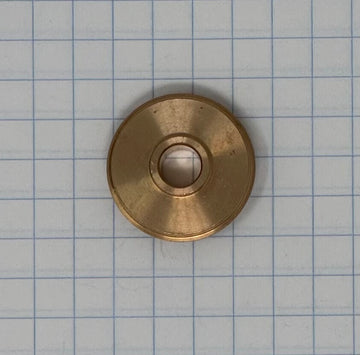
1. Introduction: Why Woodwind Instrument Care Matters
Woodwind instruments contain several small but essential components that work together to produce clear and consistent sounds. Keys, springs, pads, screws, rods, and other fittings must function correctly for the instrument to perform as expected.
Over time, regular use, moisture, dust, temperature changes, and improper storage can affect these components. Even a minor mechanical issue can make certain notes difficult to play.
For example, a musician preparing for a concert might notice that one key is not returning properly. The problem may seem small, but a worn spring or loose mechanism could affect the entire playing experience.
Regular cleaning, careful handling, and timely repairs help prevent these situations.
2. Essential Daily Care Tips for Woodwind Instruments
Building a simple maintenance routine can make a significant difference in your instrument's condition.
Clean the instrument after every playing session
Moisture naturally collects inside woodwind instruments during playing. If it remains inside, it can contribute to pad deterioration, unpleasant odors, and other maintenance problems.
Use an appropriate cleaning swab to remove moisture from the instrument's interior. Follow the manufacturer's instructions, especially when cleaning delicate wooden instruments.
Keep the mouthpiece clean
The mouthpiece comes into direct contact with the player, so it requires regular cleaning. Use suitable cleaning materials and avoid harsh chemicals that could damage its surface.
Check keys and moving components
Look for keys that feel loose, move unevenly, or fail to return to their original position. Early identification of mechanical issues can prevent more complicated repairs.
Store instruments properly
Always place your instrument in its protective case after playing. Avoid leaving it in direct sunlight, extremely hot environments, or places with sudden temperature changes.
3. Common Woodwind Instrument Problems and Their Solutions
Even well-maintained instruments can develop mechanical problems. Understanding common issues helps musicians recognise when basic maintenance is enough and when professional repair is necessary.
Problem 1: Keys Not Returning Properly
Keys that stick or fail to return can interrupt playing and affect note transitions. This issue may result from dirt, misalignment, worn springs, or mechanical damage.
Solution:
-
Check for visible dirt around the key mechanism.
-
Clean the accessible areas carefully.
-
Avoid forcing stiff or stuck keys.
-
Ask a qualified technician to inspect damaged springs or misaligned components.
Problem 2: Air Leaks and Poor Sound Quality
If your instrument produces weak, inconsistent, or unclear notes, leaking pads may be one possible reason. Worn pads sometimes fail to create a proper seal when keys close.
Solution:
Have the pads inspected by an experienced repair technician. Replacing worn pads and adjusting key alignment can help restore proper sealing and improve playing response.
Problem 3: Loose Screws and Mechanical Fittings
Continuous playing, transportation, and regular handling can sometimes cause small components to loosen. This may create unwanted movement, rattling, or inconsistent key action.
Solution:
Inspect visible fittings regularly. Use the correct replacement components and avoid overtightening screws, as excessive pressure can damage delicate mechanisms.
Problem 4: Damaged Springs and Unresponsive Mechanisms
Springs help keys return to their original positions. When they become worn, damaged, or displaced, the instrument may feel uncomfortable to play.
Solution:
Have the spring tension and positioning checked by a repair professional. Replacing unsuitable or damaged components can restore consistent key movement.
4. Real-Life Situations: When Timely Repairs Make a Difference
Imagine a school band preparing for an important annual performance. During rehearsal, a musician notices that certain notes sound inconsistent. Instead of waiting until the performance day, the instructor arranges an instrument inspection.
The technician discovers that a few pads are worn and one of the key mechanisms needs attention. With the right replacement components and adjustments, the instrument becomes ready for rehearsal again.
A similar situation can happen in professional music groups and repair shops. Musicians often depend on their instruments for daily practice, recording sessions, concerts, and live performances. Even a small mechanical issue can interrupt their schedule.
For brass instrument owners, having access to suitable replacement components is equally important. For example, technicians servicing older instruments may need a king trumpet old style w springs to address specific spring-related repair requirements.
The lesson is simple: identifying problems early and sourcing compatible components can make instrument maintenance more manageable.
5. Choosing the Right Replacement Parts for Instrument Repairs
Not every replacement component is suitable for every instrument. Before purchasing repair parts, consider the instrument's manufacturer, model, age, and mechanical specifications.
Here are some important factors to consider:
Check instrument compatibility: Always confirm that the replacement part matches the instrument model. Similar-looking components may have different dimensions or fitting requirements.
Prioritise material quality: Reliable materials can support durability and consistent mechanical performance.
Understand the repair requirement: Identify whether the problem involves a spring, pad, screw, valve component, water key, or another fitting.
Choose a reliable supplier: A specialist instrument-parts supplier can help musicians and repair technicians find components for different repair requirements.
For example, brass instrument maintenance may require a benge trumpet valve repair kit when addressing specific valve-related repair needs. Selecting compatible components helps technicians approach repairs more confidently.
6. Problem-Solving Approach: Build a Better Instrument Maintenance Routine
Instead of waiting for an instrument to develop noticeable problems, follow a preventive maintenance approach.
Here is a practical routine that musicians and repair professionals can follow:
|
Maintenance activity |
Recommended frequency |
|
Remove internal moisture |
After every playing session |
|
Clean the mouthpiece |
Regularly |
|
Inspect keys and mechanisms |
Weekly |
|
Check the instrument case |
Monthly |
|
Professional inspection |
Periodically or when problems appear |
|
Replace worn components |
Whenever necessary |
Note: Maintenance frequency depends on the instrument, playing habits, and manufacturer's recommendations.
Know When to Seek Professional Help
Some maintenance tasks are suitable for musicians, but complex repairs should be handled by trained technicians.
Avoid attempting complicated adjustments if you are unfamiliar with the instrument's mechanical structure. Incorrect repairs can cause further damage and increase maintenance costs.
A professional technician can inspect the mechanism, identify the actual problem, and recommend compatible replacement parts.
7. Maintenance Considerations for Different Band Instruments
Although woodwind and brass instruments have different designs, both require regular inspection and access to compatible replacement components. Repair technicians who work with school bands, orchestras, and professional musicians often handle multiple instrument families.
For French horn maintenance, technicians may need conn french horn repair parts to address specific mechanical issues and maintain reliable instrument operation. Checking model compatibility before selecting replacement components is essential.
Similarly, trombone maintenance requires attention to small fittings that support everyday performance. Technicians may look for bach and conn trombone water key repair parts when repairing or replacing worn water key components. Keeping suitable parts available can help repair shops handle common maintenance requirements more efficiently.
8. How Musicians Can Extend Their Instrument's Lifespan
Taking care of an instrument does not have to involve complicated procedures. A few consistent habits can help protect its condition and reduce avoidable repair expenses.
Consider these additional tips:
-
Handle with care: Always hold your instrument securely and avoid unnecessary pressure on keys and delicate fittings.
-
Use the right cleaning products: Select cleaning materials designed for your instrument's finish and construction.
-
Avoid sharing mouthpieces: Maintain personal hygiene by using your own mouthpiece whenever possible.
-
Check before travelling: Make sure the instrument is properly secured inside its case before transportation.
-
Do not ignore unusual sounds: Rattling, sticking, and unexpected changes in sound quality deserve attention.
-
Keep spare components available: Musicians and repair shops can benefit from having commonly required replacement parts readily accessible.
These simple practices can help musicians spend more time practising and less time dealing with unexpected instrument problems.
9. Why Choosing the Right Instrument Parts Supplier Matters
Finding the correct replacement component is an important part of successful instrument maintenance. Musicians, band directors, and repair technicians need access to parts that meet their specific requirements.
A reliable supplier should offer:
-
A selection of brass, woodwind, and percussion instrument components.
-
Replacement parts for different instrument manufacturers and models.
-
Useful product information to support purchasing decisions.
-
Convenient access to repair supplies and accessories.
-
Support for individual musicians and professional repair shops.
Having a dependable source for instrument components makes it easier to plan repairs, maintain equipment, and keep instruments ready for regular use.
Conclusion: Keep Your Instruments Ready for Every Performance
Proper instrument care is an ongoing responsibility for every musician. Regular cleaning, careful storage, routine inspections, and timely repairs can help maintain sound quality and extend the useful life of woodwind instruments.
Whether you are maintaining a personal instrument, managing a school band, or running a professional repair shop, paying attention to small mechanical issues can prevent bigger problems later.
Most importantly, always choose compatible replacement components and seek professional assistance when repairs require specialised knowledge.
At Tope Band Supply Co., we have been supporting musicians and repair professionals since 2005 with brass, woodwind, and percussion parts, supplies, and unique musical gifts. Our goal is to help keep instruments performing and musicians ready for their next performance.
Frequently Asked Questions (FAQs)
1. How often should I clean my woodwind instrument?
You should remove moisture from your instrument after every playing session. Regular mouthpiece cleaning and periodic deeper maintenance also help keep it in good condition.
2. What causes woodwind instrument keys to stick?
Sticking keys can result from dirt, moisture, worn pads, misalignment, or damaged springs. If cleaning does not resolve the issue, consult a professional repair technician.
3. How can I improve the lifespan of my woodwind instrument?
Clean it regularly, store it in a protective case, avoid extreme temperatures, handle it carefully, and arrange professional inspections when needed.
4. When should I replace instrument pads?
Pads should be replaced when they become worn, damaged, hardened, or fail to seal properly. A qualified technician can determine whether replacement is necessary.
5. Are replacement instrument parts universal?
No. Many components are specific to an instrument manufacturer, model, or design. Always verify compatibility before purchasing replacement parts.
6. Can I repair my woodwind instrument at home?
Basic cleaning and routine care can be performed at home. However, complicated mechanical repairs, key adjustments, and pad replacements are generally best handled by experienced technicians.
7. Where can musicians and repair technicians find instrument repair parts?
Musicians and repair professionals can explore specialist suppliers such as Tope Band Supply Co. for brass, woodwind, and percussion instrument parts and repair supplies
