How the Sigalarm Wireless Gen5 System Detects Power Line Hazards
Author : SkyAzúl Equipment Solutions | Published On : 20 Aug 2026
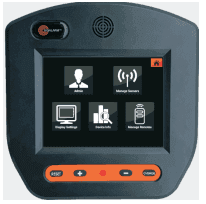
Working near overhead power lines can make a normal crane or heavy equipment job much more dangerous. The risk is not always easy to spot, especially when an operator is focused on a load, boom movement, or a busy worksite.
The Sigalarm Wireless Gen5 System helps address this risk by detecting the electrical field around live AC high-voltage overhead lines. It then warns operators when equipment enters a set safety zone.
It Starts With the Electrical Field
Every live AC high-voltage power line creates an electric field around it. The strength of this field can change based on the line voltage and how close the equipment is to the line.
The Gen5 system uses sensors to detect this field. In simple terms, the sensors pick up the electrical signal that shows when a live power line is nearby.
The system does not measure the exact physical distance from the power line. Instead, it responds to the strength of the electric field and a safety level set for the job. This matters because field strength can change based on voltage and worksite conditions.
Where Do the Sensors Fit In?
The wireless sensors detect the electric field and are usually placed at high or open points on the equipment.
When equipment has more than one high point, multiple sensors can be used. Their safety zones should overlap so there is no gap in protection as the boom or other equipment parts move.
The Gen5 manual also states that sensors should not be covered by metal and provides spacing rules for multiple sensors. Proper sensor placement is important for reliable detection.
What Happens When a Hazard Gets Closer?
When the sensors detect the required electric field level, they send the information wirelessly to the main control module.
The operator can set the safety level on the control module. As the detected field gets close to that level, the system can move from a warning state to a danger state.
Here is the basic process:
-
The sensor detects the electric field around a live overhead power line.
-
The wireless signal sends the reading to the Gen5 control module.
-
The system checks the reading against the selected safety level.
-
A warning starts as the detected field gets close to the set level.
-
The danger alarm starts when the reading reaches or goes above the set level.
-
Lights and sound alerts warn the operator and nearby workers.
This gives the operator time to stop, check the situation, and move the equipment away from the hazard.
Why Wireless Detection Matters
Cranes and heavy machines often have moving or extending sections. Using wires between sensors and the control unit can make installation more difficult.
The Gen5 system uses wireless communication between its sensors and control module. The manual states that it uses Zigbee radio communication. It also recommends testing the setup because the worksite can affect the wireless signal.
Correct sensor placement and communication testing are therefore important for reliable performance.
What About Automatic Shutdown?
The system can support relay functions that connect to certain equipment controls. During a danger state, these outputs can be used for tasks such as stopping hydraulic movement.
However, this feature is not suitable for every machine or work situation. The manual warns against using automatic shutdown on equipment carrying a load.
The Gen5 system should be treated as an extra layer of safety, not a replacement for safe work practices, required clearances, training, or applicable safety rules.
In Conclusion:
Power line hazards can develop while equipment is moving. The Sigalarm Wireless Gen5 System helps address this risk by sensing the electric field created by live AC overhead power lines and turning that signal into warnings for operators and ground workers.
Its sensors, wireless communication, adjustable safety levels, visual alerts, sound alarms, and optional relay functions work together to provide an extra layer of safety. When installed correctly and used by trained professionals, the system can help operators identify a developing hazard before equipment makes contact.
For teams comparing newer power line warning technology with older crane safety systems, the Sigalarm 210 Legacy System for Cranes may also be considered as an earlier option. Detection technology should support, not replace, careful power line safety practices.
