How South Florida Camps and Schools Are Keeping Kids Cool (and Entertained) This Summer
Author : Game Next Door | Published On : 23 Jun 2026
Anyone who has run a summer camp or end-of-year school event in South Florida knows the real challenge isn't keeping kids entertained - it's keeping them entertained without anyone overheating by 11am. Here's how camp directors and event organizers are approaching it this year.
The Core Problem: Heat Plus Boredom Equals a Bad Afternoon
South Florida summers don't leave much room for error. A schedule packed with outdoor activities sounds great on paper until the heat index climbs and kids start melting down - literally and figuratively. Smart camp planning now treats heat management as part of the entertainment plan, not a separate concern.
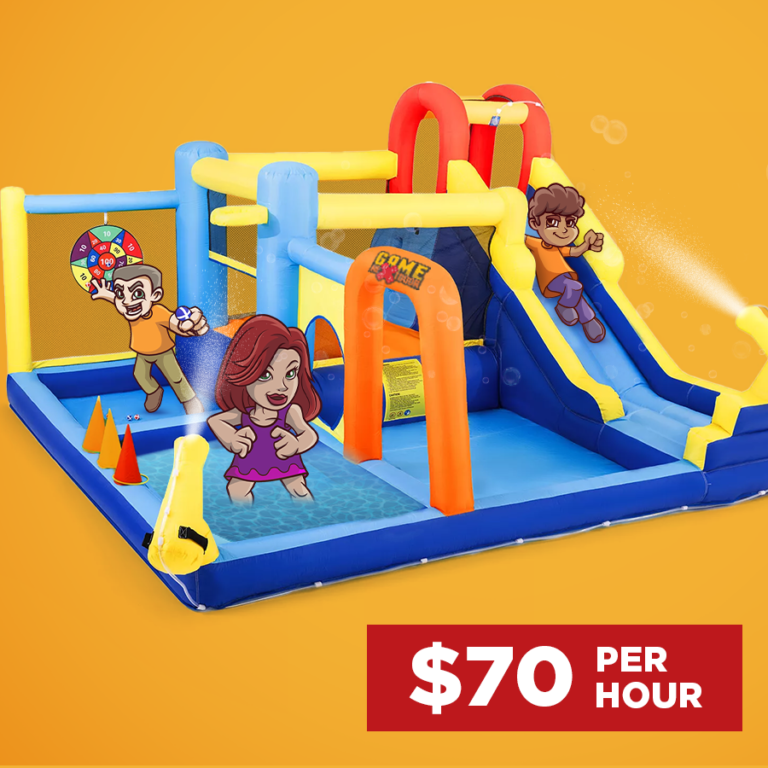
Water-Based Activities Are Doing the Heavy Lifting
This is where water bounce house and outdoor entertainment rentals have become a genuine staple rather than a special-occasion treat. Combining the appeal of an inflatable with the cooling effect of water solves two problems with one activity - kids stay engaged and stay cool at the same time.
Climate-Controlled Indoor Breaks Are Built Into the Schedule
Forward-thinking camps are now scheduling a climate-controlled activity block into the hottest part of the day - typically late morning through early afternoon - rather than pushing through with outdoor activities regardless of temperature. Mobile gaming setups work particularly well here, since they bring an indoor, air-conditioned activity directly to the camp without needing a dedicated indoor facility.
A Sample Heat-Smart Camp Schedule
Early morning: Outdoor activities while temperatures are manageable
Late morning to early afternoon: Climate-controlled indoor activity block (gaming, indoor games)
Late afternoon: Water-based outdoor activities as temperatures begin to ease
Shade and Water Access Are Non-Negotiable
Beyond the activities themselves, organizers are getting more deliberate about shade structures and water station placement throughout the day - not just at designated break times. This is a small operational shift, but it meaningfully reduces heat-related incidents during long camp days.
Rotating Activity Stations Instead of One Long Block
Rather than one extended outdoor activity, many South Florida camps are shifting to shorter rotation blocks across multiple stations. This keeps kids moving between different experiences - some outdoor, some shaded or indoor - which naturally limits sustained heat exposure for any one group.
Why This Matters Beyond Just Comfort
Heat-smart scheduling isn't just about avoiding meltdowns and sunburn - it directly affects how much kids actually engage with camp activities. An overheated, exhausted group disengages quickly, while a well-paced schedule with built-in cooling breaks keeps energy and participation higher throughout the day.
Planning Ahead for Next Summer
Camp directors and school event organizers who've adopted this heat-aware approach report noticeably smoother days - fewer complaints, fewer incidents, and genuinely higher engagement from kids who aren't simply trying to survive the heat. As South Florida summers continue trending warmer, this kind of deliberate scheduling is likely to become standard practice rather than a nice-to-have.
