How Smart Energy Monitoring Improves Electrical Efficiency
Author : alina khurana | Published On : 02 Jul 2026
As energy consumption continues to rise across residential, commercial, and industrial sectors, improving electrical efficiency has become a critical priority. Organizations and homeowners are increasingly seeking ways to reduce energy waste, lower operating costs, and support sustainability goals. Smart energy monitoring has emerged as a powerful solution that provides real-time insights into electricity usage, enabling users to make informed decisions about consumption patterns. By leveraging advanced technologies, including a digital meter and intelligent monitoring systems, users can identify inefficiencies, optimize energy use, and manage costs effectively. These solutions contribute significantly to enhanced electrical performance and long-term energy savings.
Understanding Smart Energy Monitoring
Smart energy monitoring refers to the use of connected devices and software platforms that track, analyze, and report electricity consumption in real time. Unlike traditional methods of energy tracking, smart monitoring systems provide detailed information about where, when, and how electricity is being used.
The system typically consists of sensors, communication networks, monitoring software, and metering devices that work together to generate actionable insights. These insights help facility managers, business owners, and homeowners identify unnecessary energy consumption and implement corrective measures.
The Importance of Electrical Efficiency
Electrical efficiency is the ability to maximize energy output while minimizing waste. Efficient electrical systems consume less power to perform the same tasks, resulting in lower energy bills and reduced environmental impact.
Several factors influence electrical efficiency, including:
- Equipment performance
- Load management
- Power quality
- Energy distribution practices
- User behavior
Without proper monitoring, inefficiencies often go unnoticed. Smart energy monitoring addresses this challenge by providing accurate and continuous visibility into electrical operations.
Real-Time Data for Better Decision-Making
One of the primary advantages of smart energy monitoring is access to real-time data. Traditional energy assessments often rely on periodic readings, which may not reveal fluctuations or sudden spikes in consumption.
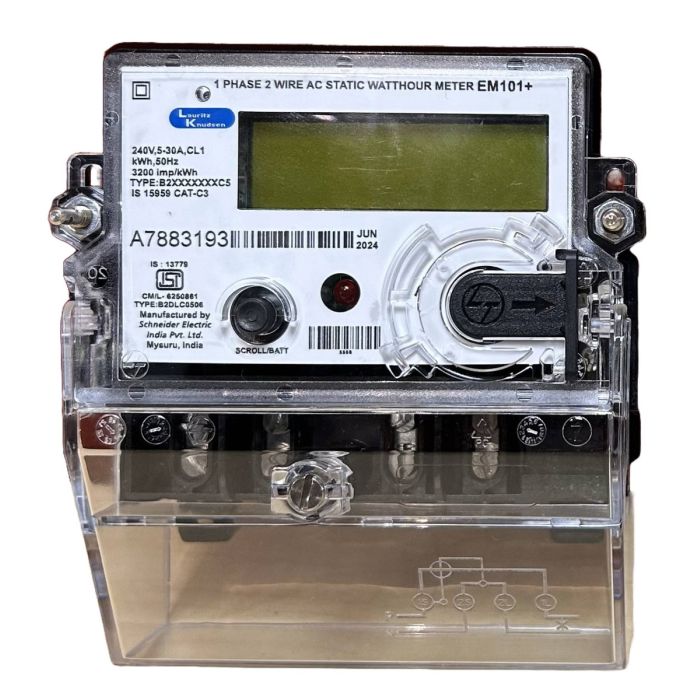
A modern digital meter captures precise energy usage information and transmits it instantly to monitoring platforms. This enables users to:
- Detect unusual consumption patterns
- Identify energy-intensive equipment
- Monitor peak demand periods
- Respond quickly to operational issues
With real-time information, businesses and homeowners can make timely decisions that improve overall efficiency.
Identifying Energy Waste
Energy waste can occur due to inefficient equipment, idle machinery, faulty wiring, or poor operational practices. Smart monitoring systems help uncover these hidden issues by providing detailed consumption analytics.
For example, monitoring dashboards can reveal equipment that continues to draw power even when not in active use. Once identified, corrective actions such as scheduling shutdowns or upgrading equipment can significantly reduce energy waste.
This level of visibility empowers organizations to establish energy-saving initiatives backed by accurate data rather than assumptions.
Optimizing Load Management
Load management is essential for maintaining efficient electrical systems. Excessive demand during peak hours can increase costs and place unnecessary stress on electrical infrastructure.
Smart monitoring solutions help users understand load distribution throughout the day. By analyzing consumption trends, organizations can shift non-essential activities to off-peak periods and balance electrical loads more effectively.
A tariff meter plays a valuable role in this process by measuring electricity usage according to predefined pricing structures. This allows users to identify periods of high energy costs and adjust operations to achieve greater efficiency.
Enhancing Preventive Maintenance
Electrical equipment often exhibits warning signs before failures occur. Smart monitoring systems continuously track performance indicators such as voltage, current, power factor, and energy consumption.
When anomalies are detected, maintenance teams can investigate and address issues before they escalate into costly breakdowns. Preventive maintenance offers several benefits:
- Reduced Downtime
Early detection of faults minimizes unexpected interruptions and improves operational continuity.
- Extended Equipment Life
Well-maintained equipment operates more efficiently and lasts longer.
- Lower Maintenance Costs
Addressing minor issues before they become major problems reduces repair expenses.
Through proactive monitoring, organizations can maintain optimal electrical performance while avoiding unnecessary energy losses.
Supporting Cost Control Strategies
Energy costs represent a significant portion of operational expenses for many businesses. Smart energy monitoring provides the insights needed to control and reduce these costs.
Detailed consumption reports help users understand how energy is utilized across different departments, systems, or facilities. This information supports:
- Budget planning
- Energy benchmarking
- Performance tracking
- Cost allocation
When combined with a tariff meter, organizations can analyze electricity usage against varying tariff structures and identify opportunities for cost optimization.
Improving Sustainability and Environmental Performance
Sustainability has become an important objective for businesses and households alike. Reducing energy consumption not only lowers expenses but also decreases greenhouse gas emissions associated with electricity generation.
Smart energy monitoring contributes to environmental goals by:
- Reducing unnecessary energy usage
- Supporting efficient resource management
- Encouraging responsible consumption habits
- Providing measurable sustainability metrics
Organizations can use monitoring data to establish energy reduction targets and track progress over time, creating a more sustainable operational framework.
Integration with Modern Energy Management Systems
Today's smart monitoring solutions can integrate seamlessly with broader energy management platforms. This integration enables centralized control of electrical systems and provides a comprehensive view of energy performance.
Advanced analytics and automation capabilities allow organizations to:
- Automate Energy-Saving Actions
Systems can automatically adjust lighting, HVAC equipment, and other electrical loads based on occupancy or demand conditions.
- Generate Predictive Insights
Artificial intelligence and data analytics can forecast future consumption patterns and recommend optimization strategies.
- Improve Operational Visibility
Centralized dashboards provide stakeholders with easy access to performance metrics and energy trends.
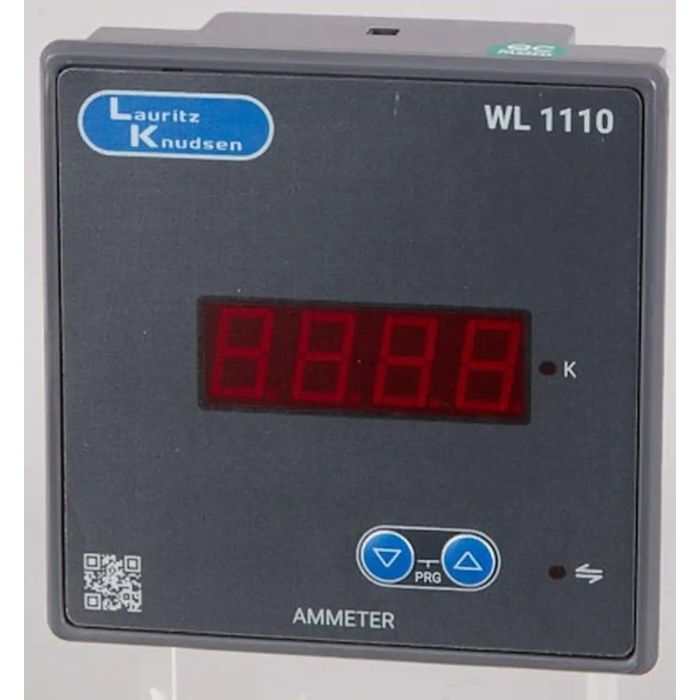
A reliable digital meter serves as a key component in these integrated systems by delivering accurate consumption data for analysis and decision-making.
The Role of Smart Monitoring in Future Energy Management
The future of energy management will increasingly depend on data-driven decision-making. As electrical systems become more connected and intelligent, smart monitoring technologies will continue to evolve.
Emerging trends include:
- Advanced analytics
- Internet of Things (IoT) integration
- Automated demand response
- Predictive maintenance capabilities
- Enhanced grid interaction
A sophisticated tariff meter will remain essential in helping users understand dynamic pricing models and optimize energy consumption accordingly. As energy markets become more complex, accurate monitoring will be critical for maintaining efficiency and controlling costs.
Conclusion
Smart energy monitoring has transformed the way electricity is managed by providing real-time visibility, actionable insights, and greater control over energy consumption. From identifying waste and optimizing load management to supporting preventive maintenance and sustainability goals, these technologies offer substantial benefits for improving electrical efficiency. Organizations and homeowners that embrace smart monitoring solutions can achieve lower operating costs, enhanced system performance, and long-term energy savings. As a trusted provider in the electrical and automation sector,Lauritz Knudsen Smartshop continues to support the growing need for intelligent energy management solutions that promote efficiency, reliability, and sustainable development.
