How Small Manufacturers Are Reclaiming Supply Chain Sovereignty
Author : Daniel Sparks | Published On : 09 Jul 2026
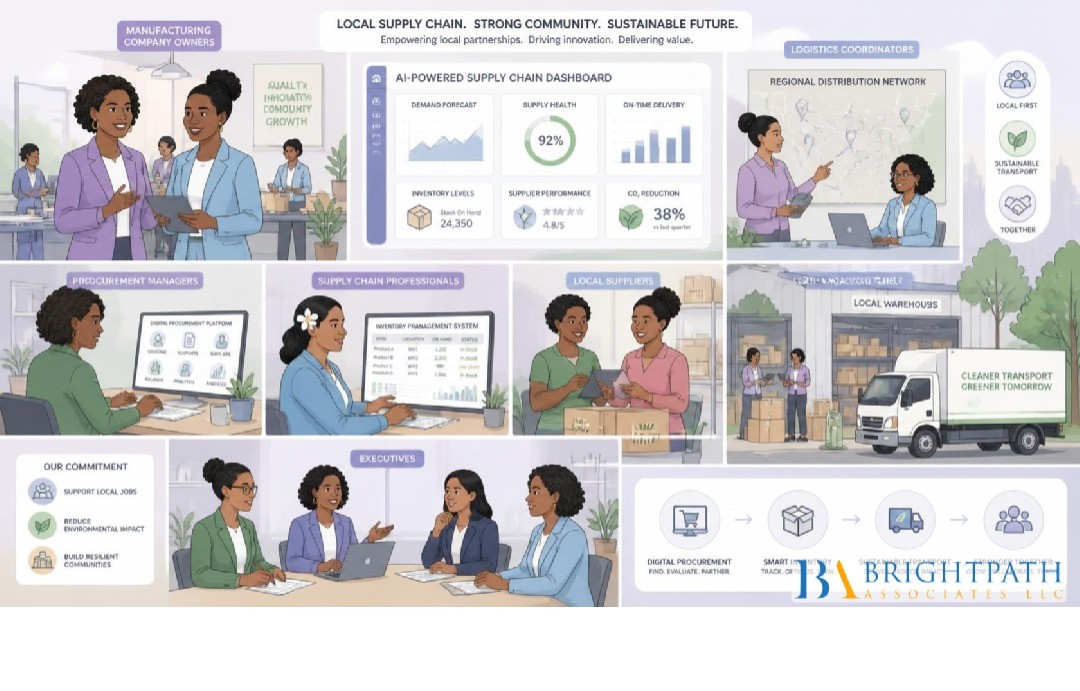
For years, globalization shaped the plastics manufacturing industry. Companies sourced raw materials from one region, produced components in another, and distributed finished products across continents. This model delivered cost efficiencies but also introduced vulnerabilities that many businesses underestimated.
Recent disruptions—from geopolitical uncertainty and transportation bottlenecks to fluctuating material costs and shifting customer expectations—have prompted manufacturers to rethink how their supply chains operate. Today, a growing number of small and mid-sized plastics manufacturers are embracing a different strategy: building stronger, more localized supply chains that prioritize resilience alongside efficiency.
This movement toward supply chain sovereignty isn't about abandoning global trade. Instead, it's about creating greater control over sourcing, production, and delivery while reducing exposure to external risks. As manufacturers seek long-term stability, the "local loop" is becoming an increasingly valuable competitive advantage. The broader manufacturing community has recognized localization and regional sourcing as key strategies for improving resilience and operational agility.
Shift from Cost Optimization to Business Continuity
Historically, procurement decisions centered primarily on reducing costs. Companies often relied on overseas suppliers offering lower production expenses, even if doing so increased lead times and logistical complexity. However, recent years have demonstrated that the lowest-cost supplier isn't always the most reliable partner.
Unexpected shipping delays, raw material shortages, geopolitical tensions, and transportation disruptions have exposed weaknesses in highly dispersed supply networks. Even minor interruptions can delay production schedules, increase customer dissatisfaction, and erode profitability.
As a result, manufacturers are evaluating supply chains through a broader lens—one that includes reliability, responsiveness, flexibility, and risk management alongside cost. For plastics manufacturers serving industries such as medical devices, consumer goods, automotive, packaging, and industrial equipment, uninterrupted production has become just as important as competitive pricing.
Sustainability Supports Localization
Environmental responsibility is another important driver behind localized supply chains. Long-distance transportation contributes to higher carbon emissions, while excessive inventory often generates unnecessary waste.
Regional sourcing enables manufacturers to reduce freight emissions, improve inventory efficiency, and respond more quickly to changing customer requirements. For plastics manufacturers investing in recycled materials, circular economy initiatives, and sustainable production practices, localized supply chains complement broader environmental goals.
Workforce Stability Is Equally Important
Even the most resilient supply chain depends on the people who manage it. As manufacturers invest in advanced equipment and localized production capabilities, demand continues growing for experienced professionals in operations, engineering, quality assurance, procurement, maintenance, and executive leadership.
Small and mid-sized manufacturers frequently compete with larger organizations for highly specialized talent. This challenge makes strategic workforce planning an essential component of supply chain resilience. Organizations that attract leaders capable of managing operational complexity, implementing continuous improvement initiatives, and building collaborative supplier relationships are often better positioned to adapt to changing market conditions.
Recruitment has therefore evolved from filling vacancies to becoming a strategic investment in long-term business success. Companies seeking specialized hiring support within the plastics sector can benefit from industry-focused recruitment expertise offered through BrightPath Associates' Plastics Industry practice.
Looking Beyond Today's Challenges
The evolution of supply chains is far from complete. Emerging technologies, sustainability initiatives, reshoring investments, and regional manufacturing ecosystems will continue transforming how plastics manufacturers operate over the next decade. Organizations that proactively strengthen supplier relationships, invest in digital capabilities, and develop exceptional leadership teams will likely outperform competitors focused solely on short-term cost reduction.
The future belongs to manufacturers capable of balancing efficiency with resilience. For additional insights into how localized manufacturing is reshaping industrial competitiveness, explore BrightPath Associates' in-depth article on How Small Manufacturers Are Reclaiming Supply Chain Sovereignty.
Join the Conversation
Is your organization shifting toward regional sourcing and localized manufacturing, or do you believe global supply chains will remain the most effective model for growth? What strategies have helped your business improve supply chain resilience while maintaining operational efficiency?
Share your thoughts in the comments—we'd love to hear how your organization is preparing for the future of manufacturing. As supply chains continue to evolve, having the right leadership in place is just as important as having the right suppliers. If your plastics manufacturing organization is preparing for growth, operational transformation, or leadership expansion, partnering with experienced executive recruitment specialists can help you secure the talent needed to build a more resilient and competitive future.
