How Skylight Flashing Repair in Long Island Protects Homes from Water Damage?
Author : Double A Skylight | Published On : 13 Jul 2026
A skylight does a lot for a room. Natural light pours in; the space feels bigger, and the whole atmosphere changes. But that benefit disappears fast when the flashing sealing the skylight to the roof starts to fail. Water finds its way in, ceilings stain, mold takes hold, and what started as a small gap turns into a repair bill nobody budgeted for.
In Long Island, homes deal with heavy rain, snow, coastal winds, and temperature swings that put real stress on roofing systems year-round. Skylight flashing takes all the burden. Knowing how it works and when it needs attention can save homeowners from the kind of water damage that compounds quickly once it starts.
What is Skylight Flashing?
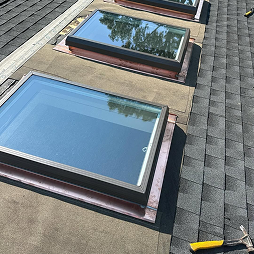
Flashing is a system of metal pieces installed around the edges of a skylight where it meets the roof surface. Its job is straightforward: redirect rainwater and snowmelt away from the skylight opening and toward the roof's drainage system.
Done right, flashing creates a waterproof barrier that keeps moisture from collecting around the skylight and finding its way inside. The problem is that even well-installed flashing has a lifespan, and Long Island weather shortens it.
Why do Flashing Problems Develop?
Skylight flashing sits exposed to the elements every single day. Over time, that exposure takes a toll.
Common causes of flashing damage include:
-
Aging roofing materials are losing their integrity
-
Improper original installation
-
Heavy rain and wind-driven storms
-
Ice dams form during winter
-
Expansion and contraction from seasonal temperature changes
-
Rust or corrosion on metal components
-
Roof movement as the structure settles over time
Even a minor gap is enough for water to start working its way into the roof system, and it rarely stops at the surface.
Signs Your Skylight Flashing May Need Repair
Water damage tends to build quietly before it becomes obvious. Catching flashing issues early is almost always cheaper than waiting until interior damage shows up. Watch for these warning signs to navigate when it’s best to get skylight flashing repair:
Water stains around the skylight
Brown or yellow staining on ceilings or walls near the skylight is a reliable indicator that moisture is getting past the flashing.
Interior leaks during rainstorms
If water only appears during heavy rain, damaged flashing is likely letting moisture slip beneath the roofing materials.
Peeling paint or bubbling drywall
Trapped moisture behind walls or ceilings pushes back, causing paint to peel and drywall to swell or warp.
Drafts around the skylight
Feeling air movement near the skylight often means there are gaps in the flashing or the seals have deteriorated.
Mold or mildew growth
Persistent moisture around the skylight opening creates exactly the conditions mold needs to take hold.

Why Fixing It Quickly Matters
Small leaks have a way of not staying small. Water entering through damaged flashing spreads beneath roofing materials before it ever becomes visible inside the home. By the time a homeowner notices a stain on the ceiling, the damage behind it is often already significant.
Delayed repairs increase the risk of:
Structural damage
Moisture weakens roof decking, framing, insulation, and surrounding building materials over time. What starts as a flashing issue can become a structural one.
Interior damage
Ceilings, drywall, flooring, trim, and finishes all suffer when water intrusion goes unchecked.
Mold growth
Damp conditions inside walls and ceilings give mold exactly what it needs. Once established, mold affects both the home and the air quality inside it.
Higher repair costs
Fixing flashing early is nearly always less expensive than replacing water-damaged roofing or repairing finished interior surfaces.
Why Long Island Homes Face Greater Exposure
The weather conditions Long Island homeowners deal with put more pressure on roofing systems than most people realize. Coastal storms, strong winds, hard freezes, snow accumulation, and repeated freeze-thaw cycles all work against flashing integrity. Salt air in communities closer to the water adds corrosion to the mix.
All of this makes routine roof inspections and timely flashing repairs more important here than in less demanding climates.
Why This Is Not a DIY Job
Repairing skylight flashing involves far more than applying a bead of roofing sealant and hoping for the best. The source of the leak has to be properly identified before any repair is made, and that requires a trained eye.
Professional roofing contractors handle:
-
Full inspection of the skylight system
-
Identifying hidden water intrusion paths
-
Replacing damaged flashing materials correctly
-
Ensuring proper water drainage around the skylight
-
Evaluating surrounding roofing materials for related damage
-
Confirming the skylight remains properly sealed after the repair
Fixing the symptom without addressing the underlying cause just means the problem returns, usually during the next storm.
Preventing Future Problems
Routine maintenance is the most cost-effective way to protect your home from unexpected leaks.
Smart preventive steps include:
-
Scheduling regular roof inspections
-
Checking skylights after major storms
-
Keeping roof valleys clear of debris
-
Addressing small leaks before they spread
-
Replacing aging flashing before it fails entirely
Staying ahead of these issues extends the life of both the roof and the skylight while reducing the chance of a costly emergency repair down the road.
Final Words: Protect Your Home Before Small Leaks Become Major Repairs
Skylight flashing is a small part of the roofing system, but it carries a lot of responsibility. When it fails, the consequences reach well beyond the skylight itself, spreading through roofing materials and into the interior of the home.
If you are noticing any signs of water intrusion around your skylight, or if it has simply been a while since anyone looked at your roof, scheduling a professional inspection for skylight flashing repair is a worthwhile call. Catching flashing problems early means keeping your home dry, your interior intact, and your repair costs manageable through every Long Island season.
