How Should You Prepare Yard Waste for Pickup?
Author : Nataliya Chen | Published On : 18 Nov 2026
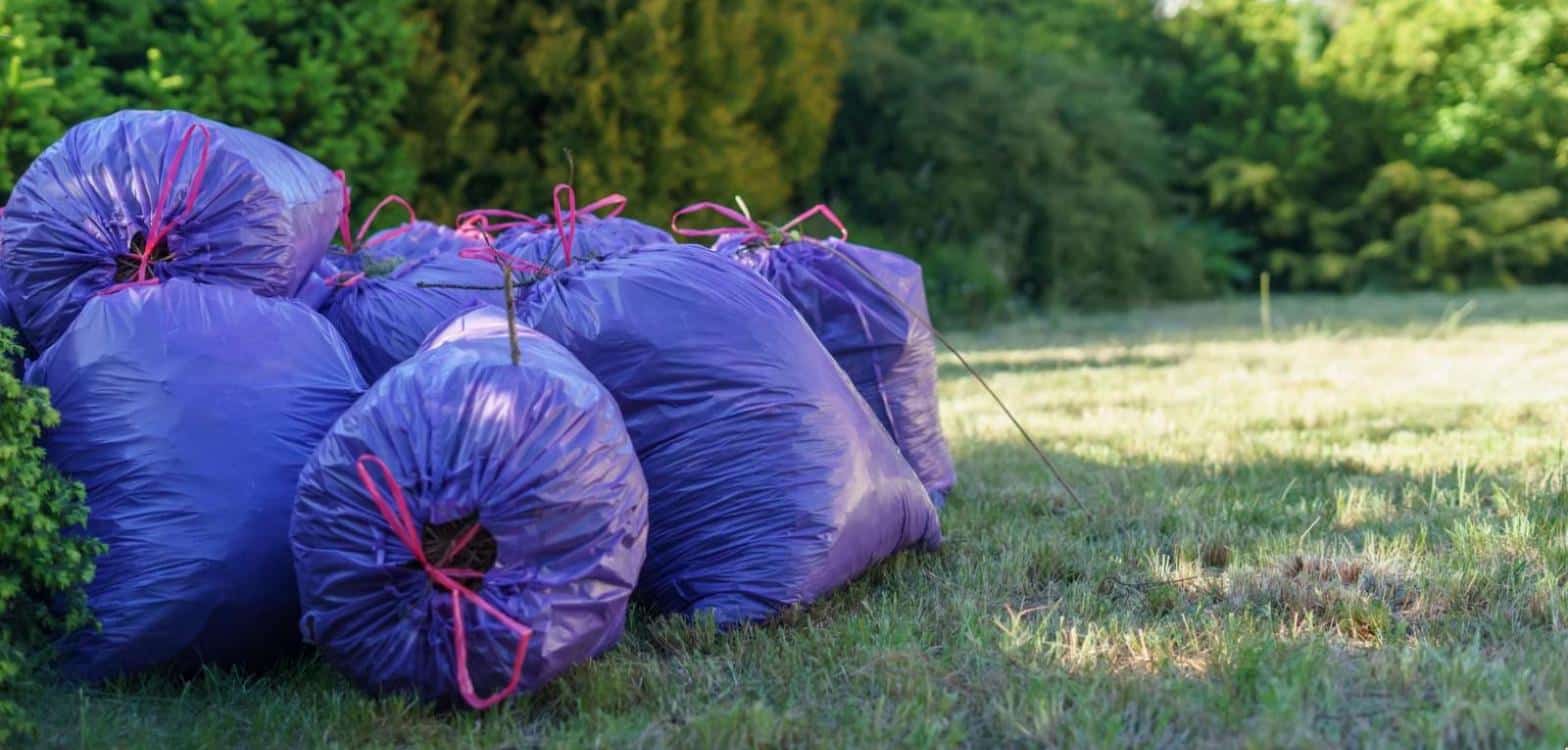
Prepare yard waste before your pickup appointment based on the material type. Put leaves and small garden debris in bags. Place branches, twigs, and trunk pieces in a single pile. Soil and other heavy materials should be described when you book.
Good yard waste pickup preparation helps our crew load everything efficiently by hand. Here is how to prepare each type of material for a yard waste pickup in Toronto.
People Also Ask
Should I leave fallen leaves on my lawn in Toronto?
The City of Toronto suggests considering it. Fallen leaves and branches provide winter habitat for native pollinating insects and add nutrients to the soil. If leaves smother the lawn or block paths, bag them for collection or a scheduled pickup.
Can I store yard waste on the sidewalk between collections?
No. The City of Toronto asks residents to store yard waste on their own property between collections, not on city property. Set it out only within the city's set-out times on collection day.
Should I drill holes in my yard waste container?
The City of Toronto suggests drilling small holes in the bottom of rigid yard waste containers. This helps rainwater drain and keeps containers from getting unnecessarily heavy.
Can pumpkins go in yard waste in Toronto?
Yes. The city accepts pumpkins, gourds, and corn stalks as yard waste. For a scheduled pickup appointment, bag them with your other loose garden material.
Should Leaves and Grass Clippings Be Bagged?
Yes. Bag leaves and other loose plant material before the pickup appointment. Our crew does not rake or gather loose material on site.
- Use sturdy bags that can hold their shape.
- Close each bag so material does not spill during loading.
- Avoid overfilling, since wet leaves get heavy quickly.
Grass clippings need a quick note. City of Toronto curbside collection does not accept grass clippings as yard waste and suggests leaving them on the lawn. If you want clippings included in a scheduled pickup, bag them and mention them when you book so our team can confirm.
How Should Small Garden Debris Be Prepared?
Small garden debris should be bagged the same way as leaves. This includes weeds, spent annuals, perennial cuttings, and hedge trimmings.
Shake excess soil off pulled weeds and root balls before bagging. Soil adds weight quickly and is treated as heavy debris, not yard waste. Seasonal items such as pumpkins and corn stalks can go in bags too.
How Should Branches and Twigs Be Prepared?
Place branches and twigs together in a single pile, not in bags. A single pile lets our crew see the full volume and load it in fewer trips.
Laying branches in the same direction can make the pile easier to lift. City curbside collection requires tied bundles within strict size limits. For our pickup appointment, we ask for a single pile.
Can Yard Waste Be Left in a Pile?
Only woody debris. Branches, twigs, and trunk pieces belong in a single pile. Bag leaves, trimmings, and other loose material.
Loose piles of leaves blow around, soak up rain, and cannot be loaded efficiently by hand. Bagging them keeps the appointment simple.
Where Should Prepared Yard Waste Be Placed?
Place prepared yard waste somewhere safe and reachable on your property, then tell us where it is when you book. Our crew carries everything manually, so a clear route to the truck helps.
- Keep material on your own property, not on the sidewalk or road.
- Avoid blocking driveways, exits, and shared walkways.
- Keep the branch pile away from fences, sheds, and vehicles.
- Mention gates, steps, or narrow side paths if material sits in a backyard.
What Should You Know About Soil and Other Heavy Materials?
Soil, sand, and gravel count as heavy debris, not yard waste. We remove these in limited quantities, depending on weight and volume. Keep them separate from bagged yard waste, and describe the amount when you book. City curbside collection does not accept soil or sod.
How Should Larger Branches and Trunk Pieces Be Prepared?
Place larger branches and trunk pieces in the same single pile, but each piece must be safe for our crew to lift and carry. We assess larger sections case by case based on size and weight.
Share the approximate length and thickness at booking. Photos help our team plan the right crew. If storm-damaged limbs are still hanging in a tree, contact a tree professional before building the pile.
How Should You Prepare for a Larger Yard Waste Pickup?
Start preparing while the project is underway, not at the end. Bag loose material as you go and add woody debris to one pile. Keep heavy debris separate. If rain is expected, cover bags where possible to limit added weight.
Very large projects may need more than one appointment. Our team confirms this at booking based on the volume you describe.
What Information Should You Provide When Scheduling the Pickup Appointment?
Clear details help us plan crew size, truck space, and on-site time. Share:
- The approximate number of bags
- The size of the branch and twig pile
- The length and thickness of any trunk pieces
- Any soil, sand, or gravel to include
- Where the material sits on the property
- Access details such as gates, steps, and parking
- Any other junk items you want removed at the same visit
Get Your Yard Waste Ready for Pickup
Preparation comes down to two steps. Bag the leaves, trimmings, and other loose material. Group branches, twigs, and trunk pieces into a single pile before the scheduled pickup appointment. Once that is done, 1-800 RID-OF-IT handles the yard debris removal. Our crew lifts, loads, and hauls everything away by hand. Call 1-800-743-6348 or contact our team to schedule your appointment. For more details, see Yard Waste Pickup in Toronto for Seasonal Projects and Property Maintenance.
