How Roof Waterproofing Protects Buildings from Water Damage
Author : Gubbi Civil | Published On : 23 May 2026
Water damage is one of the biggest threats to any building, whether residential, commercial, or industrial. Roof leaks, seepage, cracks, and moisture penetration can weaken structures over time, leading to costly repairs. This is where roof waterproofing becomes essential.
Proper roof waterproofing creates a strong protective barrier that prevents rainwater and moisture from penetrating the roof surface. It helps maintain the building’s strength, improves durability, and protects interiors from costly damage.
In this guide, let’s understand how roof waterproofing protects buildings from water damage, its benefits, types, and why professional waterproofing services matter.
What Is Roof Waterproofing?
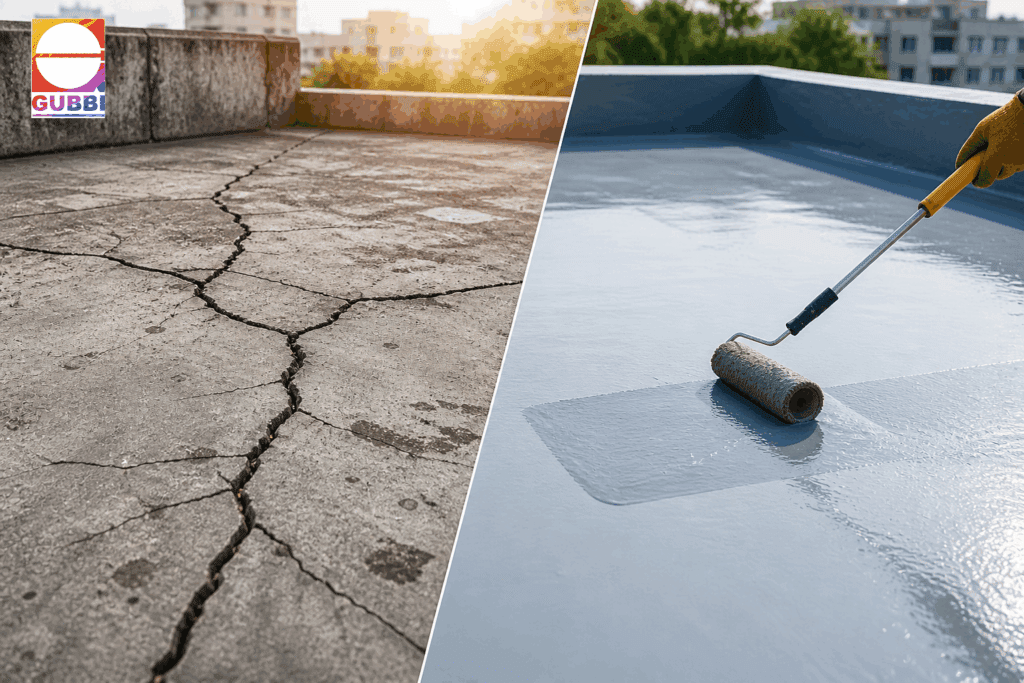
Roof waterproofing is the process of applying protective materials or coatings to a roof surface to prevent water penetration. It seals cracks, gaps, and vulnerable areas, ensuring that rainwater does not seep into the building.
Waterproofing is commonly used for:
- Concrete roofs
- Terrace roofs
- Commercial buildings
- Industrial sheds
- Residential properties
- Old and damaged roofs
Without waterproofing, roofs can develop cracks, water leakage, damp walls, mold growth, and structural deterioration.
Why Roof Waterproofing Is Important for Buildings?
Many building owners ignore roof maintenance until visible leakage appears. However, water damage often starts internally before becoming noticeable.
1. Prevents Roof Leakage and Seepage
The primary purpose of roof waterproofing is to stop water leakage. During monsoon seasons, rainwater can penetrate cracks and weak roof joints.
Waterproofing membranes and coatings seal these vulnerable areas, preventing:
- Roof leaks
- Ceiling dampness
- Wall seepage
- Water stains
This helps maintain a dry and damage-free building interior.
2. Protects Structural Strength
Continuous water penetration can weaken concrete and steel reinforcement inside buildings.
Moisture causes:
- Concrete cracks
- Rusting of steel bars
- Structural weakening
- Reduced building lifespan
Professional roof waterproofing solutions protect the structural integrity of the building by preventing moisture infiltration.
3. Reduces Mold and Dampness
Water seepage often leads to mold, fungus, and damp walls.
This can cause:
- Bad odor inside buildings
- Wall paint damage
- Health concerns due to mold exposure
- Reduced indoor air quality
Roof waterproofing prevents moisture accumulation, keeping interiors clean and healthy.
4. Increases Roof Lifespan
Roofs exposed to harsh weather conditions experience wear and tear over time.
Proper waterproofing protects against:
- Heavy rain
- UV rays
- Temperature fluctuations
- Surface cracks
As a result, the roof remains durable for years with minimal maintenance.
5. Saves Repair Costs
Ignoring roof leakage can lead to expensive repairs in the future.
Waterproofing is a preventive investment that helps avoid:
- Ceiling repair costs
- Structural restoration expenses
- Interior damage repairs
- Frequent maintenance work
Timely waterproofing saves money in the long run.
Types of Roof Waterproofing Solutions
Choosing the right waterproofing method depends on roof condition, weather exposure, and building type.
1. Liquid Waterproofing Membrane
This involves applying liquid coatings to form a seamless waterproof layer.
Best for: Concrete roofs and terraces.
2. Bituminous Waterproofing
Bitumen-based waterproofing provides excellent water resistance.
Best for: Commercial and industrial buildings.
3. Polyurethane Waterproofing
Polyurethane coating offers strong flexibility and durability.
Best for: Flat roofs exposed to heavy rainfall.
4. Cementitious Waterproofing
A cement-based coating commonly used in residential buildings.
Best for: Water-prone roof areas.
5. APP Membrane Waterproofing
APP membrane provides superior protection against leakage and harsh weather.
Best for: Long-term roof protection.
How does roof waterproofing stop water leakage?
Roof waterproofing creates a protective layer over the roof surface that blocks water penetration and seals cracks, joints, and weak areas.
Which waterproofing is best for roofs?
The best waterproofing depends on roof type and condition. Popular options include APP membrane waterproofing, polyurethane coating, liquid waterproofing, and bituminous waterproofing.
How long does roof waterproofing last?
Professional roof waterproofing can last between 5 to 15 years, depending on the material quality and maintenance.
Is roof waterproofing necessary for old buildings?
Yes, old buildings are more vulnerable to cracks and leakage. Waterproofing helps restore roof protection and prevents further damage.
What causes roof water damage?
Common causes include:
- Cracks in concrete
- Poor drainage system
- Heavy rainfall
- Damaged waterproofing layer
- Poor construction quality
Signs Your Roof Needs Waterproofing
Watch for these warning signs:
- Water stains on ceilings
- Damp walls or peeling paint
- Roof cracks
- Mold or fungus growth
- Water leakage during rain
If these issues appear, immediate roof waterproofing services are recommended.
Why Choose Professional Roof Waterproofing Services?
DIY solutions may provide temporary relief, but professional waterproofing ensures long-lasting protection.
Experts can:
- Inspect roof damage properly
- Recommend the best waterproofing method
- Use premium waterproofing materials
- Ensure long-term durability
Professional application significantly reduces future maintenance costs.
Conclusion
Protecting your building from water damage starts with choosing the right roof waterproofing solution. From preventing roof leakage and seepage to improving structural durability and reducing maintenance costs, waterproofing plays a vital role in long-term building protection. Ignoring early signs of water damage can lead to expensive repairs and structural issues over time.
Get expert roof waterproofing services by Gubbi Civil Engineers, for long-lasting leak protection, crack sealing, and durable roof performance.
