How Residential Solar Power Can Transform Energy Use in Sydney Homes
Author : Sydpro Electrical | Published On : 18 Nov 2026
Understanding the Growing Interest in Solar Energy
A bright Sydney morning can produce more than pleasant weather; it can also provide an opportunity to generate electricity directly from sunlight. As energy costs, environmental concerns, and household efficiency become increasingly important, residential solar power has gained attention among homeowners. A Residential solar company can help households understand how solar panels, inverters, batteries, and monitoring systems work together to generate usable electricity. The main benefit of careful solar planning is not simply installing panels, but creating an energy system suited to household consumption, property conditions, future needs, and available sunlight.
How Solar Power Works for Homes
Solar panels convert sunlight into electricity through photovoltaic cells, creating direct current that an inverter converts into usable alternating current. Electricity can then power household appliances, lighting, cooling systems, and other equipment. Any surplus generation may be stored in a compatible battery system or handled according to the household's energy arrangement. The effectiveness of a solar installation depends on several factors, including roof orientation, shading, panel quality, system capacity, household consumption patterns, and local conditions. Understanding these elements helps homeowners make informed decisions instead of selecting equipment based solely on advertised capacity or price.
Assessing Household Energy Requirements
Every household uses electricity differently, so solar planning should begin with an understanding of actual consumption. A home with high daytime electricity usage may benefit from a system designed around daytime generation, while another household may place greater value on battery storage for evening consumption. Historical electricity bills can provide useful information about energy demand and seasonal changes. Future plans should also be considered, particularly if electric vehicles, additional cooling, home offices, or other significant electrical loads may be introduced. Careful assessment allows system design to reflect practical household requirements rather than relying on generalized assumptions.
Choosing Suitable Solar Energy Solutions
Sydney homes can have different architectural designs, roof sizes, shading conditions, and electricity consumption patterns, making flexibility important during system selection. solar energy solutions Sydney can include photovoltaic panels, inverters, battery storage, monitoring technology, and related electrical integration designed around individual properties. A suitable system should consider current energy use as well as possible future requirements. Professional assessment can help identify technical limitations and determine whether available roof space is appropriate. The objective is to create a balanced system that uses available sunlight effectively while supporting dependable household electricity management throughout the day.
The Importance of Quality Installation
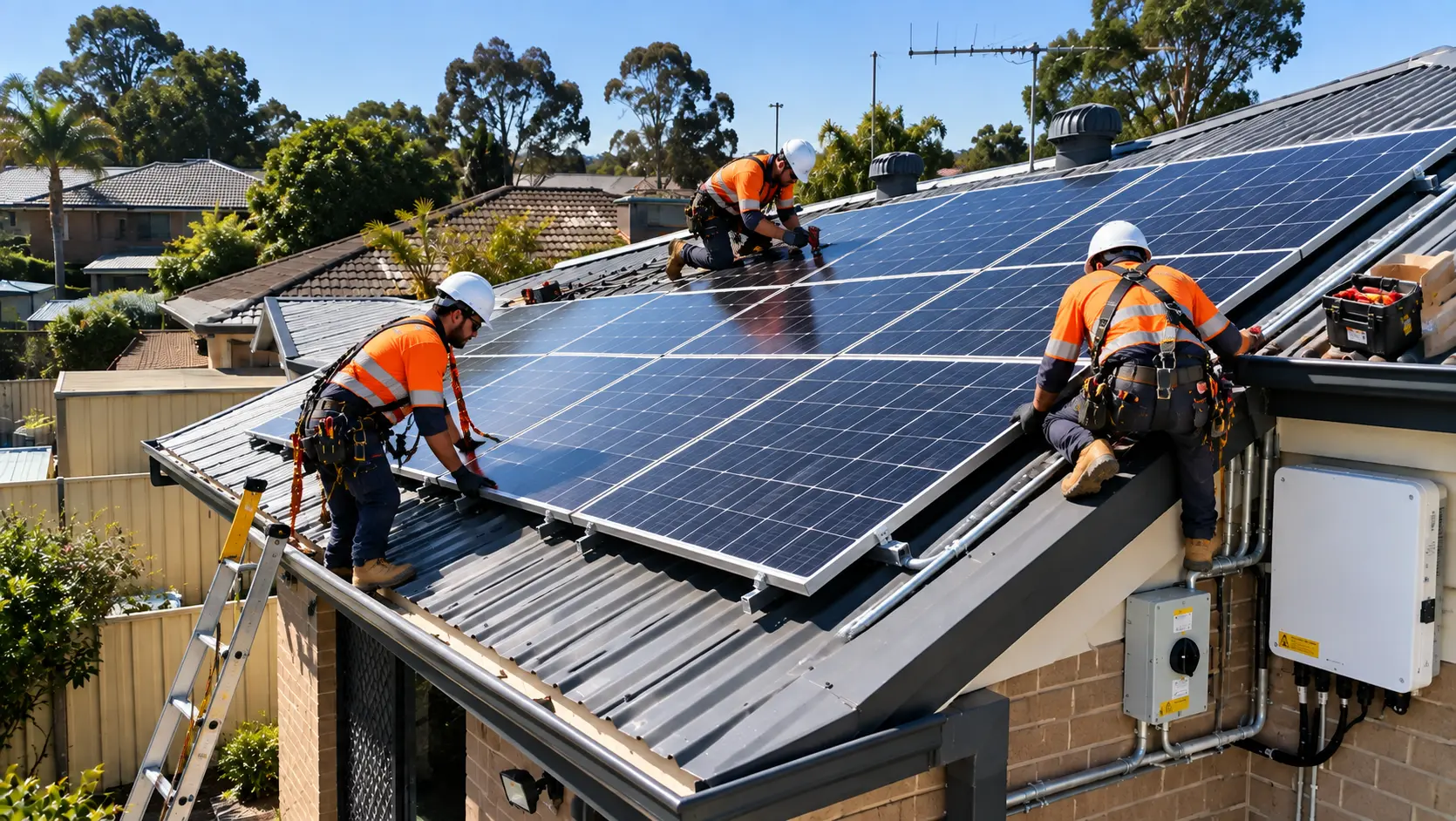
Solar equipment can perform differently depending on how carefully it is installed and integrated into the property's electrical system. Proper positioning, secure mounting, appropriate wiring, and suitable inverter placement all contribute to system performance and safety. Installation should also account for roof characteristics and local environmental conditions. Qualified electrical professionals can assess existing infrastructure before connecting new equipment, helping identify compatibility issues that could otherwise create complications. A well-planned installation can improve reliability and make future maintenance easier. Homeowners should therefore consider installation standards and professional capability alongside the specifications of the solar equipment itself.
Considering Battery Storage Options
Solar panels generate electricity primarily when sunlight is available, while household demand may continue after sunset. Battery storage can help bridge this difference by storing suitable surplus generation for later use. The usefulness of a battery depends on electricity consumption patterns, system size, battery capacity, and the household's goals. Some homeowners may prioritize greater energy independence, while others may focus on reducing reliance on grid electricity during certain periods. Battery technology continues to evolve, making professional assessment important when comparing available options. Storage should be considered as part of the complete energy strategy rather than as an automatic requirement for every property.
Maintaining Long-Term Solar Performance
Solar systems are designed for long-term operation, but ongoing attention can help maintain performance. Monitoring systems may provide information about electricity generation and identify unusual changes that deserve investigation. Panels can also accumulate dust, leaves, or other debris depending on surrounding conditions, potentially affecting energy production. Electrical components should be inspected according to appropriate maintenance recommendations, particularly when performance changes unexpectedly. Keeping records of system generation can help homeowners understand seasonal patterns and identify potential issues. Long-term performance ultimately depends on suitable equipment, correct installation, responsible maintenance, and realistic expectations about energy production.
Planning a Smarter Energy Future
Solar power can provide Sydney households with an opportunity to generate electricity locally while improving awareness of how energy is consumed. The strongest results come from combining suitable system design, quality equipment, professional installation, thoughtful consumption habits, and appropriate maintenance. Sydpro Electrical can be considered by homeowners seeking professional assistance with residential solar and related electrical requirements. Solar adoption should be viewed as a long-term energy decision rather than a quick purchase. With careful planning and realistic expectations, households can create an energy system that supports efficiency, greater control, and changing electricity needs over time.
Social Media Links :-
