How Quality Dry Amenities Improve Modern Hotel Guest Experiences
Author : Jefna Enterprise Sdn Bhd | Published On : 24 Nov 2026
Creating Comfortable Stays Through Thoughtful Hotel Amenities
A comfortable hotel stay often depends on details that guests may notice without consciously thinking about them. From neatly arranged personal care products to convenient everyday essentials, hotel amenities help create an inviting and practical environment. Although accommodation quality is commonly associated with rooms, dining, and customer service, the products provided for daily use also influence guest satisfaction. Choosing suitable amenities requires attention to quality, presentation, hygiene, and cost. Hotels that invest in dependable products can improve everyday convenience while maintaining professional standards across different room categories and hospitality services.
Understanding the Role of Dry Amenities in Hospitality
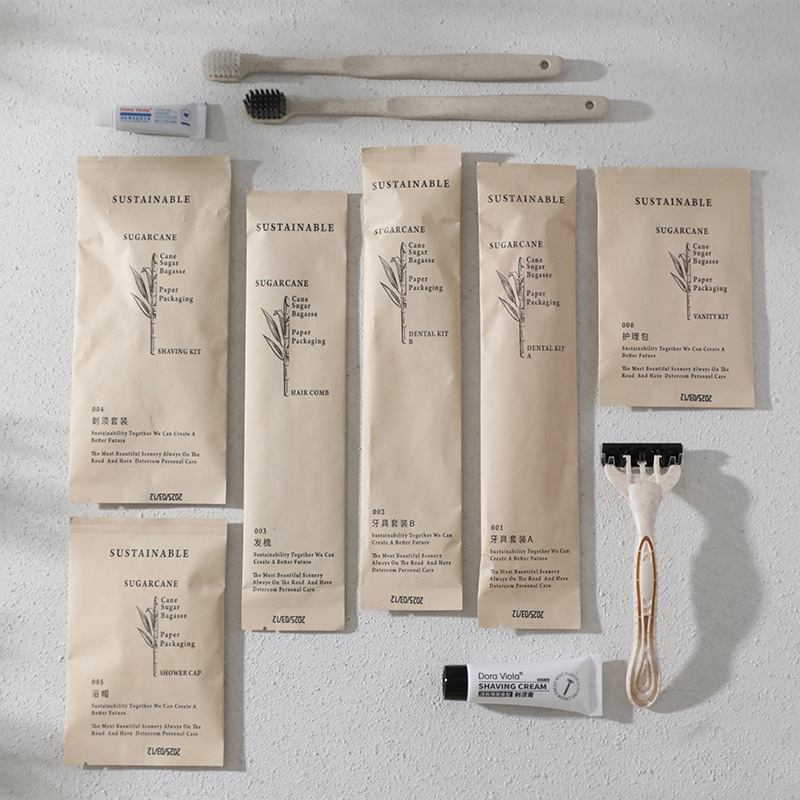
Dry amenities are an important part of hotel room preparation because they provide guests with practical essentials beyond standard bathroom toiletries. Depending on the property's requirements, these products may include dental kits, shaving kits, combs, vanity kits, sewing kits, shower caps, and other personal care accessories. Selecting a reliable Dry Amenities Supplier Malaysia allows hospitality businesses to source these necessities more consistently. Properly packaged products make room preparation easier for housekeeping teams and help ensure that guests can access useful items without having to purchase or carry every essential during their travels.
Why Product Quality Matters for Guest Satisfaction
The quality of small hotel supplies can influence how visitors evaluate the overall accommodation experience. Guests generally appreciate products that are clean, functional, properly packaged, and easy to use. For example, a well-presented dental kit or neatly arranged vanity set can make daily routines more convenient, particularly for travellers staying away from home for several days. Hotel management should therefore consider product materials, packaging strength, usability, and consistency before making purchasing decisions. Reliable amenities also reduce the likelihood of damaged packaging, missing accessories, and unnecessary replacements, supporting smoother housekeeping operations.
Sustainability Is Changing Hotel Purchasing Decisions
Environmental responsibility has become an increasingly important consideration for hospitality businesses. Travellers are paying greater attention to how accommodation providers manage waste, packaging, and resource consumption. Hotels can respond by exploring recyclable materials, biodegradable packaging, reusable dispensers, and products designed to reduce unnecessary plastic. Working with Eco Friendly Hotel Amenities Suppliers can help properties identify suitable alternatives that support responsible purchasing practices. However, environmental claims should be evaluated carefully, with attention given to product composition, manufacturing information, packaging disposal, and actual sustainability benefits rather than relying solely on attractive labels.
Choosing Amenities That Match Hotel Requirements
Different accommodation properties have different purchasing needs. A luxury resort may prioritise elegant packaging and premium accessories, while a business hotel may focus on practical products that are easy to distribute and replace. Budget accommodation providers often need affordable options that still meet reasonable quality expectations. Before selecting amenities, management should consider room capacity, average occupancy, guest demographics, and the type of services offered. Understanding these requirements makes it easier to select suitable product ranges and avoid unnecessary spending on items that guests rarely use or that do not match the property's hospitality standards.
Maintaining Consistent Inventory and Supply
A well-managed inventory system helps hotels prevent shortages of essential guest products. When frequently used items become unavailable, housekeeping teams may experience delays, and guests may face unnecessary inconvenience. Establishing suitable stock levels based on occupancy and consumption patterns can improve daily operations. Hotels should also consider delivery schedules, minimum order quantities, packaging consistency, and supplier communication when planning procurement. Maintaining organised purchasing records makes it easier to identify frequently required products and anticipate future demand. These practices support efficient room preparation and reduce the possibility of last-minute purchasing at higher costs.
Balancing Cost Efficiency with Product Performance
Controlling operating expenses is a regular responsibility for hotel management, but purchasing decisions should not be based on price alone. Extremely inexpensive products may create additional costs when packaging breaks easily, accessories are incomplete, or product quality varies between deliveries. A more effective approach involves comparing overall value, including durability, usability, supply reliability, and product presentation. Bulk purchasing can offer financial advantages when quantities are planned according to actual consumption. Reviewing product samples before placing larger orders can also help hotels assess suitability and make informed decisions without compromising guest convenience.
How Thoughtful Packaging Improves Product Presentation
Packaging is an important part of how hotel amenities are perceived. Well-designed packaging protects individual products, keeps accessories organised, and creates a neat appearance inside guest rooms. Clear labelling can also help visitors understand what each item contains and how it should be used. Hotels may choose packaging that reflects their interior design, brand identity, or sustainability objectives. At the same time, practical considerations such as storage space, ease of opening, material strength, and disposal requirements should remain priorities. A combination of attractive presentation and functional design contributes to a more organised hospitality environment.
Adapting to Changing Guest Preferences
Guest expectations continue to evolve as travel habits and environmental awareness change. Some visitors prefer minimal packaging, while others value individually sealed products that offer convenience and reassurance. International travellers may also appreciate amenities that accommodate different personal care requirements. Hotels can better understand these preferences by reviewing guest feedback, monitoring product consumption, and evaluating service-related complaints. Regular assessments help management identify which products provide genuine value and which items require improvement. Adapting amenity selections over time allows accommodation providers to remain responsive while maintaining consistency in their everyday hospitality operations.
Building Better Hotel Experiences Through Responsible Sourcing
Dry amenities contribute to the practical side of hospitality by supporting guest convenience, efficient housekeeping, and professional room presentation. Selecting appropriate products involves balancing quality, affordability, environmental considerations, and reliable availability. Hotels that establish organised procurement practices can maintain consistent standards while responding to changing customer expectations. Responsible sourcing also creates opportunities to reduce unnecessary waste and improve purchasing efficiency. For accommodation providers exploring dependable hotel amenity options and practical supply solutions, Jefna Enterprise Sdn Bhd can be considered when evaluating products that support organised hotel operations and a comfortable guest experience.
