How Professional Repairs Restore Car Body Damage Safely
Author : Media post | Published On : 25 Aug 2026
Discovering car body damage after an accident, parking lot incident or unexpected impact can be frustrating. Even a small dent or scratch can affect your vehicle's appearance, while more serious damage may involve panels, structural components, paint, lights or safety systems. Knowing what to do after damage occurs can help you make better repair decisions and protect your vehicle's long-term value. Professional auto body repair is designed to identify visible and hidden problems, restore damaged areas and help ensure the vehicle remains safe and reliable. For expert collision and auto body repair support, visit Becker Body Shop.
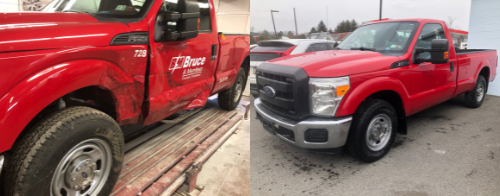

Not All Vehicle Damage Looks Serious at First
One of the biggest challenges with collision damage is that the visible problem may not tell the whole story. A cracked bumper or bent fender may appear to be a simple cosmetic issue, but the impact can sometimes affect brackets, sensors, lights, suspension components or structural areas behind the damaged panel.
Modern vehicles are designed with multiple layers of components that work together during normal driving and collisions. This means even a low-speed impact can create hidden issues. A professional inspection can help identify damage that may not be immediately visible to the vehicle owner.
Common Types of Car Body Damage
Vehicles can experience many different forms of exterior damage. Some problems are primarily cosmetic, while others require more extensive repairs.
Common examples include:
-
Dents and dings
-
Scratches and paint damage
-
Cracked or damaged bumpers
-
Bent fenders
-
Damaged doors
-
Broken lights
-
Hood or trunk damage
-
Panel misalignment
-
Frame or structural damage
The type of repair depends on the location and severity of the impact. A qualified auto body technician evaluates the damaged area and determines whether it can be repaired or whether replacement is the safer option.
What Should You Do Immediately After an Accident?
After an accident, safety should always come first. Move to a safe location when possible and follow applicable local requirements for exchanging information and reporting the incident.
Once the situation is secure, take photographs of the vehicle and visible damage. Capture different angles and include wider photos showing the overall condition of the vehicle. This documentation can be useful when communicating with your insurance provider or repair facility.
Avoid assuming that the vehicle is safe to drive simply because it starts and moves. If there are warning lights, fluid leaks, unusual noises, loose components or steering problems, have the vehicle inspected before continuing to drive it.
The Importance of a Professional Damage Inspection
A professional inspection gives you a clearer understanding of what happened to your vehicle. Technicians can evaluate exterior panels, structural components, mechanical systems and areas hidden behind the visible damage.
Modern collision repair often requires specialized equipment to measure and diagnose the vehicle accurately. If sensors, cameras or advanced driver-assistance systems are affected, additional inspection or calibration may be necessary.
The goal is not simply to make the vehicle look better. A complete assessment helps determine what repairs are needed to restore proper fit, function, appearance and safety.
Repairing or Replacing Damaged Parts
Not every damaged component needs to be replaced. In some cases, technicians can repair dents, reshape panels, restore surfaces and refinish the affected area. When damage is severe, replacement may be the more appropriate option.
The decision can depend on several factors, including the material of the part, location of the damage, structural importance, repair cost and manufacturer repair procedures.
For example, a small dent on a non-structural panel may be repairable, while a heavily damaged bumper reinforcement or structural component may require replacement. A professional repair assessment helps determine the safest and most practical solution.
Why Paint Repair Matters
Paint damage is more than an appearance issue. A deep scratch can expose the underlying material to moisture, dirt, and environmental conditions. Over time, this may contribute to corrosion or additional surface deterioration.
Professional paint repair typically involves preparing the damaged area, applying appropriate materials, matching the existing color, and refinishing the surface. Quality preparation is essential because a good-looking paint finish depends on the condition of the surface underneath.
Modern paint-matching technology can help technicians blend repaired areas with surrounding panels for a more consistent appearance.
Understanding Structural Damage
Structural damage can occur when an impact affects the vehicle's frame, unibody, or other load-bearing areas. This type of damage requires specialized inspection and repair procedures.
A vehicle may look relatively normal after a collision but still have alignment or structural issues that affect handling, tire wear, and overall performance. Precision measuring equipment helps technicians determine whether the structure has moved from its original specifications.
Proper structural repair is important because the vehicle's body and frame are designed to manage forces during everyday driving and future collisions. Repairs should follow appropriate manufacturer and industry procedures.
How Insurance Can Affect the Repair Process
Insurance coverage can play an important role after an accident. Depending on your policy and the circumstances, your insurer may inspect the vehicle, review repair estimates, and determine what costs are covered.
Keep copies of photographs, estimates, claim information and communication related to the accident. Ask questions about deductibles, coverage limits, replacement parts and the repair process if anything is unclear.
An experienced auto body repair facility may also help customers understand the repair workflow and communicate relevant repair information during the insurance process.
Choosing the Right Auto Body Repair Shop
The repair facility you choose can have a major impact on your overall experience and the quality of the completed work. Look for a shop with experienced technicians, proper repair equipment, clear communication and a strong reputation for quality service.
Ask how the damage will be inspected and repaired. You may also want to ask about warranties, paint processes, replacement parts, repair timelines and whether the facility works with insurance claims.
A reliable repair shop should explain the process clearly rather than making unrealistic promises. Transparency helps vehicle owners understand what work is being completed and why it is necessary.
Preventing Additional Damage After a Collision
Once your vehicle has been damaged, taking a few precautions can help prevent the problem from becoming worse. Protect exposed areas from unnecessary moisture when possible and avoid using temporary materials that could damage the paint or body.
Pay attention to changes in steering, braking, alignment or unusual sounds. These signs may indicate that the collision affected more than the exterior.
Schedule a professional inspection promptly rather than waiting for a minor issue to develop into a larger repair. Early assessment can help you understand the condition of your vehicle and make informed decisions about the next steps.
Alternatives to Traditional Auto Body Repair
Depending on the type and severity of damage, alternatives may be available. Paintless dent repair can sometimes address minor dents without requiring traditional repainting. Small scratches may be corrected through specialized refinishing techniques.
For more serious damage, replacement panels may provide a better result than attempting extensive repairs. In some situations, insurance may determine that the cost of repairs is too high compared with the vehicle's value.
The right approach depends on the vehicle, the location of the damage, repair requirements, and overall condition. A professional evaluation is the best way to understand available options.
Frequently Asked Questions
What is considered car body damage?
Car body damage includes visible or hidden damage affecting the exterior panels, bumpers, doors, hood, trunk, paint, frame or other body-related components of a vehicle.
Can a small accident cause hidden damage?
Yes. Even a low-speed collision can affect components behind the bumper or exterior panels, including brackets, sensors, lights, suspension parts or structural areas.
Should I repair minor dents and scratches?
Minor damage may seem cosmetic, but deep scratches can expose underlying materials to moisture and contribute to further deterioration. A professional can assess whether repair is recommended.
How long does auto body repair take?
Repair time depends on the severity of the damage, availability of replacement parts, insurance approval and the type of work required. Minor repairs may take less time than extensive collision restoration.
Will insurance cover car body repairs?
Coverage depends on your insurance policy, the cause of the damage, deductibles and applicable coverage. Contact your insurance provider for details about your specific claim.
Can damaged body panels always be repaired?
Not always. Minor or moderate damage may be repairable, while severely damaged or structurally important components may need replacement.
Restore Your Vehicle with the Right Repair Approach
Dealing with car body damage can feel overwhelming, especially when you are unsure whether the problem is only cosmetic or involves hidden structural issues. The best approach is to have the vehicle inspected by experienced professionals who can evaluate the damage and recommend appropriate repair options. From dents and scratches to damaged panels and more complex collision repairs, professional service can help restore your vehicle's appearance, function, and safety. For dependable collision repair support and expert guidance, visit Becker Body Shop. Addressing car body damage promptly can help protect your vehicle and give you greater confidence every time you get back on the road.
