How Pool Equipment Upgrades Help Reduce Maintenance
Author : Gator Pool Services | Published On : 21 Oct 2026
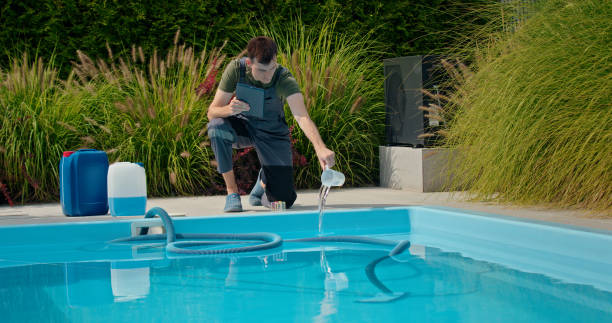
Keeping a swimming pool clean and in good working condition requires regular attention. Pool owners need to manage water circulation, filtration, chemical balance, heating, and equipment performance to maintain a comfortable swimming environment. When pool equipment becomes outdated or inefficient, these tasks can take more time and lead to recurring maintenance problems.
Upgrading pool equipment can make routine care easier by improving how the different systems operate. Modern pumps, filters, heaters, and automation controls can help reduce unnecessary work, support better water quality, and improve overall pool performance.
Understanding how equipment upgrades reduce maintenance can help pool owners decide which improvements are worth considering for their swimming pools.
Improving Water Circulation With Modern Pumps
The pool pump is responsible for moving water through the filtration system and returning it to the pool. Proper circulation helps distribute chemicals, remove suspended particles, and maintain consistent water quality.
When a pump becomes worn or inefficient, it may struggle to move water effectively. Poor circulation can contribute to cloudy water, uneven chemical distribution, and debris collecting in certain areas. These problems may require additional cleaning and chemical adjustments.
Upgrading to a suitable modern pump can improve water movement and support better filtration. Variable-speed pumps allow users to adjust operating speeds according to the pool's needs, which may also help reduce unnecessary energy use.
A properly selected pump can make routine maintenance more manageable by helping the filtration system work effectively. However, the pump must be compatible with the pool's plumbing and filter capacity to deliver the expected results.
Reducing Filter Maintenance Problems
Pool filters remove dirt, leaves, fine particles, and other unwanted materials from the water. When a filter works properly, it helps maintain water clarity and reduces the amount of debris circulating through the pool.
Older or damaged filters may become less effective, leading to cloudy water and more frequent cleaning. A filter that is unsuitable for the pool can also place additional demands on the circulation system.
Upgrading to an appropriate filtration system can improve particle removal and help maintain cleaner water. The right option depends on the pool's design, usage, and existing equipment.
A professional can assess whether the current filter needs servicing or whether replacement would be more practical. Keeping the pump and filter properly matched is also important for maintaining effective water flow.
With suitable filtration equipment, pool owners can reduce some recurring water clarity problems and make routine cleaning easier.
Maintaining Better Water Quality
Water quality is affected by chemical balance, circulation, filtration, and contamination. When equipment does not work correctly, pool owners may spend more time addressing cloudy water, algae growth, and other maintenance concerns.
An efficient pump helps circulate water, while a suitable filter removes unwanted particles. Together, these systems support the sanitation process and help maintain consistent water conditions.
Equipment upgrades can reduce problems caused by poor circulation or ineffective filtration. They may also make it easier to maintain a stable pool care routine.
However, new equipment cannot replace water testing or proper chemical treatment. Pool owners still need to monitor pH, sanitizer levels, and other relevant water chemistry factors.
When equipment and water chemistry are managed together, maintaining clean and comfortable pool water becomes easier.
Preventing Frequent Equipment Breakdowns
A pool system includes several components that need to work together. Pumps, filters, heaters, valves, and control systems may develop faults as they age or experience regular use.
Frequent breakdowns can interrupt pool operation and require repeated service visits. In some cases, an aging component may also affect the performance of connected equipment.
Replacing unreliable equipment can help reduce recurring repair problems. Modern components may offer improved controls, better efficiency, or features that make their condition easier to monitor.
Before upgrading, it is important to identify the source of the problem. Some issues can be resolved through cleaning, adjustments, or replacement of a small part. Others may justify a complete equipment upgrade.
A professional inspection helps pool owners make informed decisions and avoid replacing equipment unnecessarily.
Making Pool Cleaning Easier
Regular cleaning remains an important part of swimming pool maintenance. Skimming the surface, brushing walls, vacuuming the floor, and removing debris from baskets help keep the pool in good condition.
Equipment upgrades can support these tasks by improving circulation and filtration. When water moves effectively through the system, the filter can capture suspended particles more efficiently.
Some pool owners may also benefit from automated cleaning equipment or compatible robotic pool cleaners. These devices can help remove debris from pool surfaces with less manual effort.
The right cleaning equipment depends on the pool's shape, surface, and cleaning requirements. Even with automated cleaners, pool owners should inspect the pool, empty baskets, and maintain the filtration system as recommended.
Combining suitable equipment with regular cleaning can reduce the effort needed to keep the pool looking clean.
Reducing Heating System Maintenance
Pool heaters help maintain a comfortable water temperature, but older or poorly maintained units may require frequent attention. Problems can include inconsistent heating, unusual noises, leaks, or reduced performance.
Upgrading to a suitable heating system may improve temperature control and operating efficiency. Depending on the pool's needs, options may include heat pumps, gas heaters, or solar heating systems.
Choosing the right system requires consideration of the pool's size, climate, preferred water temperature, and usage patterns. Correct installation is also important for reliable operation.
An upgrade may reduce problems associated with outdated equipment, but all heating systems still require appropriate servicing. Regular inspections help identify wear, maintain performance, and prevent avoidable faults.
Simplifying Maintenance With Pool Automation
Pool automation helps owners manage compatible equipment through a central control system. Depending on the setup, it can control pump schedules, heating, lighting, and other pool functions.
Without automation, owners may need to adjust separate controls manually. This can make daily pool management more time-consuming and increase the chance of inconsistent operating schedules.
Automated controls allow equipment to operate according to selected settings. Some systems also provide remote access or alerts that help owners monitor equipment operation.
Automation can reduce routine manual adjustments and make pool care more convenient. It may also help prevent equipment from running longer than necessary when schedules are configured properly.
However, automated systems still need regular checks, and their features depend on equipment compatibility.
Helping Reduce Unnecessary Energy Use
Older pool equipment may consume more energy than necessary, particularly when pumps run inefficiently or heating systems struggle to maintain the desired temperature.
Energy-efficient equipment can help reduce unnecessary consumption while supporting effective pool operation. Modern variable-speed pumps and properly selected heaters may offer better efficiency than some older alternatives.
Automation can further support energy management by helping owners control operating schedules and avoid unnecessary equipment use.
Lower energy consumption can make ongoing pool ownership more manageable, although the actual savings depend on equipment selection, operating habits, and pool conditions.
A professional assessment can help determine which upgrades are likely to provide useful improvements.
When to Consider Pool Equipment Upgrades
Pool owners may want to consider upgrades when equipment requires frequent repairs, circulation becomes weak, water clarity is difficult to maintain, or energy use increases without an obvious reason.
Outdated controls, unreliable heating, and repeated filtration problems may also indicate that the existing system needs attention.
Choosing suitable Pool System Upgrades coral springs can help improve equipment performance and simplify routine pool maintenance. The best approach is to assess the entire system and identify which components would benefit most from repair or replacement.
Upgrading equipment before a complete failure can also provide more time to compare options and plan installation.
Conclusion
Pool equipment upgrades can help reduce maintenance by improving circulation, filtration, cleaning, heating, and equipment control. Modern systems may reduce recurring problems, simplify daily tasks, and support more efficient operation.
However, upgrades work best when the equipment is selected according to the pool's actual needs. Regular water testing, cleaning, and professional inspections remain important for maintaining good water quality and reliable performance.
By improving outdated components and following a consistent maintenance routine, pool owners can spend less time dealing with avoidable problems and more time enjoying a clean, comfortable swimming pool.
