How Often Should Woodwind Repair Parts Be Replaced?
Author : Tope Band Supply Co | Published On : 28 Jul 2026
Woodwind instruments are precision-crafted musical tools that rely on dozens of small components working together to produce a clear, balanced sound. Over time, even the highest-quality woodwind repair parts experience wear and tear due to regular playing, environmental conditions, and routine handling. While many musicians focus on cleaning and storing their instruments correctly, replacing worn repair parts at the right time is equally important for maintaining performance and extending the instrument's lifespan.
Whether you're a professional repair technician, a school band director, or an individual musician, understanding when to replace essential repair components can save both time and money. Delaying repairs often leads to more extensive damage, reduced playability, and costly restoration work. Regular inspection and timely replacement of worn parts help keep your instrument responsive, reliable, and performance-ready.
In this guide, we'll explore the signs that indicate it's time to replace woodwind repair parts, discuss real-life maintenance situations, provide practical solutions, and answer frequently asked questions to help you make informed repair decisions.
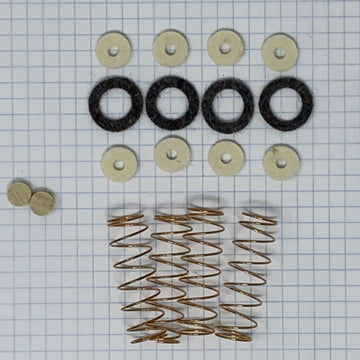
When Replacement Becomes Necessary
1. Sticky Keys Before a Performance
Imagine preparing for an important concert only to discover that several keys on your clarinet stick after every note. The culprit is often worn pads, compressed corks, or aging felts. These components naturally deteriorate over years of use, reducing key movement and affecting response.
Replacing these woodwind repair parts restores smooth action and prevents unexpected performance issues.
2. Air Leaks Causing Poor Tone
A saxophone player notices that low notes have become difficult to produce, despite practising regularly. After inspection, a repair technician discovers hardened pads and leaking tone holes. Small leaks can dramatically affect intonation and sound quality.
Replacing damaged pads and adjusting key mechanisms immediately improves airflow and restores the instrument's original tone.
3. School Band Instruments Under Heavy Use
School-owned instruments experience constant handling by different students. Frequent assembly, transportation, and daily practice accelerate the wear of corks, springs, screws, and pads.
Routine replacement of commonly used woodwind repair parts keeps instruments dependable throughout the academic year while reducing expensive emergency repairs.
Which Woodwind Repair Parts Wear Out Most Often?
Different components have different life expectancies depending on playing frequency and maintenance habits.
Pads
Pads create airtight seals over tone holes. They should be inspected annually and replaced whenever they become compressed, torn, or water-damaged.
Corks
Neck corks and key corks gradually compress and lose flexibility. When joints become loose or key regulation changes, replacement is recommended.
Springs
Steel or blue-steel springs eventually weaken or break through constant movement. Weak springs slow key return and affect playing comfort.
Felts
Felts cushion moving keys and minimise mechanical noise. Flattened or missing felts should be replaced during regular servicing.
Screws and Rods
Loose or worn hinge screws can create excessive key movement and mechanical instability. Periodic inspection prevents larger mechanical failures.
How to Know When Parts Should Be Replaced
Rather than waiting for complete failure, musicians should follow a preventative maintenance approach.
Inspect Your Instrument Regularly
Look for:
-
Sticky or sluggish keys
-
Loose key action
-
Air leaks
-
Unusual clicking noises
-
Cracked corks
-
Torn pads
-
Broken springs
Early detection makes repairs simpler and less expensive.
Schedule Professional Servicing
Professional technicians recommend a complete inspection every 12 to 18 months for regularly played instruments. Heavy-use instruments may require servicing more frequently.
Replace Parts Before They Fail
Waiting until a pad falls off or a spring breaks often results in additional damage. Preventative replacement helps maintain consistent performance and reduces repair costs.
Choosing Quality Replacement Components Matters
Not all replacement parts offer the same level of performance. High-quality woodwind repair parts provide:
-
Better fit and compatibility
-
Longer service life
-
Improved instrument response
-
Reliable performance under regular use
-
Reduced need for repeated adjustments
Using genuine or professional-grade components also helps preserve the value of your instrument over time.
Specialised Repair Kits for Brass Instruments
Although this guide focuses on woodwind maintenance, many repair professionals service both woodwind and brass instruments. Having the correct repair kits available improves workshop efficiency and ensures accurate repairs.
For technicians working on brass instruments, Holton French Horn Rotary Valve Repair Parts are essential for maintaining smooth valve operation and restoring dependable mechanical performance. Regular replacement of worn bearings, strings, bumpers, and related rotary valve components helps prevent sluggish action and preserves the instrument's responsiveness.
Valve Repair Solutions for Euphoniums
Repair shops that maintain low brass instruments often rely on dedicated repair kits for efficient servicing. A Bach Conn King 3 or 4 Valve Euphonium Valve Repair Kit provides many of the components commonly needed during valve maintenance, helping technicians replace worn felts, guides, springs, and other service items while restoring reliable valve alignment and smooth operation.
Maintaining Professional Trumpets and Cornets
Professional trumpet and cornet players demand precise valve performance for consistent response and accurate intonation. A Bach Stradivarius Cornet Trumpet Valve Repair Kit offers convenient access to replacement components that help maintain fast valve action, minimise air leakage, and support long-term instrument reliability during rehearsals, studio sessions, and live performances.
Keep Your Instrument Performing at Its Best
Preventative maintenance is always more affordable than major repairs. By replacing worn woodwind repair parts before they fail, musicians can enjoy:
-
Better tone quality
-
Improved intonation
-
Faster key response
-
Reduced repair expenses
-
Longer instrument lifespan
-
Greater playing confidence
Even small components play a significant role in overall instrument performance. Routine inspections and timely replacements protect your investment and ensure every performance sounds its best.
Frequently Asked Questions (FAQ)
How often should woodwind repair parts be replaced?
Most woodwind repair parts should be inspected annually. Frequently played instruments may require pad, cork, spring, or felt replacement every one to three years, depending on usage and maintenance.
What are the most commonly replaced woodwind repair parts?
Pads, corks, felts, springs, hinge screws, and key adjustment materials are among the most frequently replaced components during routine servicing.
Can I replace woodwind repair parts myself?
Basic maintenance tasks may be suitable for experienced players, but pad replacement, key regulation, and spring installation are generally best performed by qualified repair technicians to ensure proper instrument adjustment.
How do I know when my instrument needs repair?
Signs include sticky keys, air leaks, poor tone quality, sluggish key movement, unusual mechanical noises, difficulty playing certain notes, or visible wear on pads and corks.
Do professional repair parts improve instrument performance?
Yes. High-quality replacement components typically provide better durability, improved fit, more reliable sealing, and longer-lasting performance than lower-quality alternatives.
Why should repair shops stock specialised repair kits?
Specialised repair kits simplify maintenance by providing compatible replacement components for specific instruments, reducing repair time and helping technicians complete repairs more efficiently.
Conclusion
Replacing woodwind repair parts at the right time is one of the best ways to preserve your instrument's tone, playability, and long-term reliability. Routine inspections, preventative maintenance, and high-quality replacement components help musicians avoid unexpected repairs while ensuring their instruments perform consistently in rehearsals, lessons, and live performances.
Whether you're a professional repair technician, music educator, school band director, or dedicated musician, investing in dependable repair parts is essential for keeping your instruments in top condition. At Tope Band Supply Co., you'll find a wide selection of quality woodwind repair parts along with trusted repair solutions from leading brands such as Conn Selmer, Bach, King, and Holton. Choosing the right parts today helps protect your investment and keeps your instrument ready to perform for years to come.
