How OCR and Professional Scanning Improve Modern Document Management
Author : Access Scanning Document Services | Published On : 22 Aug 2026
Turning Scanned Pages Into Useful Digital Information
A scanned document may look digital, but a picture of a page is not always easy for a computer to understand or search. Businesses managing large archives can therefore benefit from technologies that transform printed information into usable digital data. OCR Data Extraction Software plays an important role by recognizing characters within scanned documents and converting them into machine-readable text. This capability can simplify searching, indexing, and information retrieval while reducing repetitive manual work. The broader objective is to create digital records that are not only accessible but also practical for everyday business operations.
Understanding the Purpose of OCR Technology
Optical Character Recognition, commonly known as OCR, allows computer systems to identify printed or typed characters within suitable document images. Once recognized, the information can become searchable and, depending on the technology, available for further processing or extraction. This is particularly useful when organizations maintain invoices, forms, contracts, applications, reports, or historical records. Instead of treating every scanned page as an ordinary image, OCR can add a layer of usable information. Accuracy can vary according to print quality, fonts, handwriting, document condition, and layout, making quality control an important part of the process.
How Data Extraction Supports Office Productivity
Manual data entry can consume significant amounts of employee time, especially when information must be transferred from hundreds or thousands of pages. Automated recognition and extraction can help reduce repetitive typing for suitable documents. Information may then be organized into searchable databases, spreadsheets, document management platforms, or other systems according to business requirements. This can make routine processing more efficient while reducing the likelihood of certain manual transcription mistakes. Human review remains valuable for important information because automated recognition is not perfect. A combination of technology and quality assurance can produce more dependable results for demanding document projects.
Professional Scanning in Manhattan Beach
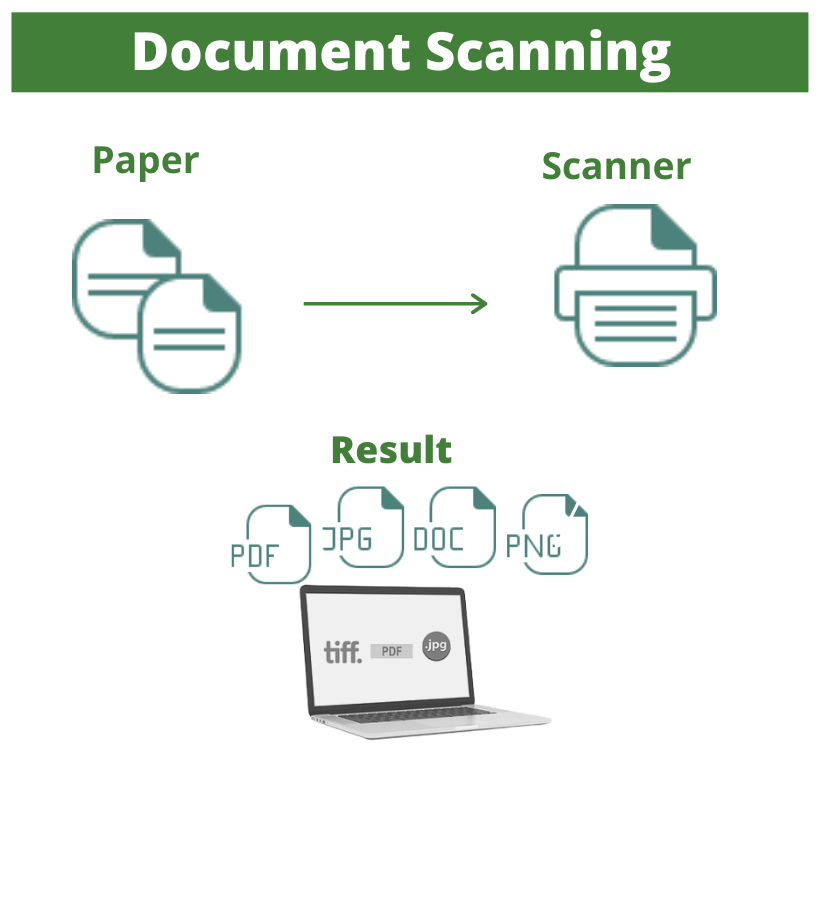
Organizations with extensive paper archives may require specialized equipment and careful handling to achieve consistent digital results. Document Scanning Manhattan Beach services can support businesses seeking to convert contracts, financial records, administrative files, correspondence, and other paper materials into organized digital archives. Professional scanning can involve document preparation, image capture, quality checking, file naming, indexing, and delivery. A structured workflow helps ensure that pages remain associated with the correct records. This is particularly important for large projects where misplaced pages, inconsistent naming, or poor image quality could make a digital archive difficult to use effectively.
Why Searchable Archives Make a Difference
A digital archive becomes considerably more useful when employees can quickly locate specific information. OCR can support this objective by making text within suitable scanned documents searchable. For example, an employee may need to locate a particular customer name, invoice number, contract term, or date. Searching an organized digital collection can be significantly more convenient than manually reviewing physical folders. Searchability can also support document indexing and retrieval processes. However, meaningful results depend on accurate scanning, appropriate OCR processing, logical file structures, and consistent naming conventions. Technology works best when combined with thoughtful document management practices.
Protecting Information During Digitization
Document conversion projects often involve confidential or commercially important information, making security an essential consideration. Records should be handled carefully throughout preparation, scanning, processing, storage, and delivery. Access permissions can help restrict sensitive digital files to authorized personnel, while appropriate backup practices can reduce the risk of accidental data loss. Physical documents should also remain organized during processing to prevent pages from being separated or incorrectly assigned. Businesses should consider retention requirements before deciding how original documents will be handled after scanning. A secure and controlled workflow can support both convenience and responsible information management.
Building a Sustainable Digital Records Strategy
Successful digitization requires more than purchasing scanning equipment or converting a collection of paper files. Organizations should first determine which records require frequent access, how information should be indexed, what file formats are appropriate, and which employees need access. OCR can then be incorporated where searchable or extractable text provides practical value. Regular quality checks can identify missing pages, unclear images, or recognition errors before records enter the final archive. A carefully planned strategy can also accommodate future documents, helping organizations maintain consistent standards instead of creating another fragmented storage system over time.
Creating Better Access to Business Information
Digital transformation can provide lasting benefits when scanning, OCR, indexing, security, and storage are treated as connected parts of one process. Organizations can reduce dependence on physical archives while making suitable information easier to search and retrieve. For businesses considering professional digitization, the website of Access Scanning Document Services can provide information about scanning and related document-management solutions. The most effective approach depends on document types, archive size, confidentiality requirements, and intended use. With appropriate planning and quality control, scanned records can become a reliable digital resource that supports efficiency, organization, and informed business operations.
Social Media Details :-
