How Mold Exposure Affects Your Lungs, Skin, and Overall Health
Author : Eden Schwartz | Published On : 22 May 2026
Understanding Mold and Its Types
Mold is a type of fungus that thrives in damp, warm environments. It reproduces by releasing spores into the air, which can be inhaled or come into contact with skin. To tackle or remove these mold you need to take Mold Remediation services .There are several types of mold, each with its own characteristics and potential health effects:
Common Types of Mold
- Aspergillus: Often found in homes, this mold can cause respiratory issues and allergic reactions.
- Cladosporium: Typically found outdoors, it can also grow indoors and is known to trigger asthma and other respiratory problems.
- Stachybotrys chartarum (Black Mold): This toxic mold is notorious for its health risks, including severe respiratory issues and skin irritation.
Conditions Favoring Mold Growth
Mold thrives in environments with high humidity and moisture. Common sources include:
- Water leaks: From roofs, pipes, or walls.
- Flooding: Can lead to extensive mold growth if not addressed promptly.
- Poor ventilation: Areas like bathrooms and kitchens are particularly susceptible.
Health Impacts of Mold Exposure
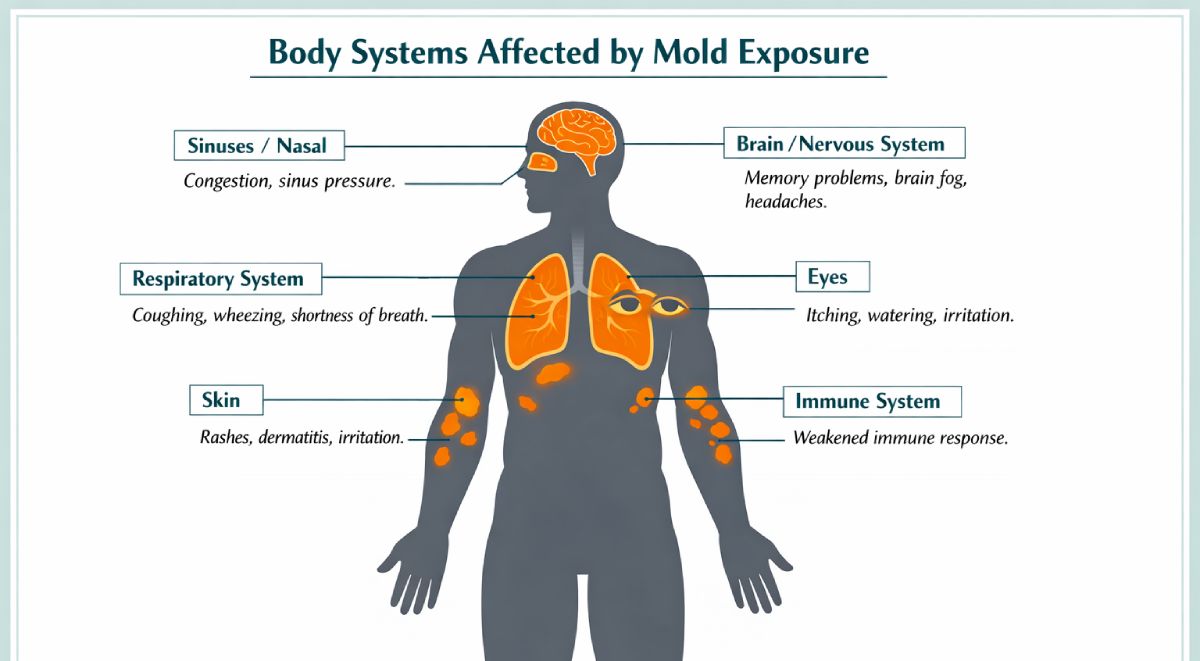
Exposure to mold can lead to a range of health issues, particularly for individuals with pre-existing conditions or weakened immune systems. The following sections explore the specific health effects associated with mold exposure.
Respiratory Issues
One of the most significant impacts of mold exposure is on respiratory health. Mold spores can trigger allergic reactions and respiratory conditions, leading to symptoms such as:
- Chronic cough: Persistent coughing can be a sign of mold-related respiratory issues.
- Shortness of breath: Difficulty breathing may occur, especially in individuals with asthma or other lung conditions.
- Hypersensitivity pneumonitis: This inflammatory response can develop from prolonged exposure to mold, leading to lung damage.
Skin Reactions
Mold exposure can also affect the skin, causing various dermatological issues. Common skin reactions include:
- Rashes: Contact with mold can lead to itchy, red rashes.
- Eczema flare-ups: Individuals with eczema may experience worsening symptoms due to mold exposure.
- Fungal infections: In some cases, mold can lead to skin infections, particularly in individuals with compromised immune systems.
Other Health Concerns
Beyond respiratory and skin issues, mold exposure can have broader health implications, including:
- Fatigue: Chronic exposure may lead to feelings of tiredness and lethargy.
- Headaches: Some individuals report frequent headaches when exposed to mold.
- Neurological symptoms: In rare cases, exposure to certain types of mold can lead to cognitive issues, including memory loss and confusion.
Identifying Mold in Your Home
Recognizing mold in your living space is the first step toward addressing the issue. Here are some common signs of mold presence:
Visual Indicators
- Discoloration: Look for black, green, or white patches on walls, ceilings, and other surfaces.
- Water stains: These may indicate underlying moisture issues conducive to mold growth.
Odor
- Musty smell: A persistent, earthy odor can be a strong indicator of mold presence, even if it is not visible.
Health Symptoms
- Increased allergy symptoms: If you notice a spike in allergy-related symptoms when at home, mold may be the culprit.
Testing for Mold
If you suspect mold in your home, testing can provide clarity. There are two primary methods for testing:
DIY Mold Test Kits
- Pros: Affordable and easy to use.
- Cons: May not provide comprehensive results.
Professional Mold Inspection
- Pros: Offers a thorough assessment and identification of mold types.
- Cons: More expensive than DIY kits.
Remediation Strategies
Once mold is identified, taking action is essential to mitigate health risks. Here are effective remediation strategies:
DIY Removal
For small areas of mold, you can often handle removal yourself. Follow these steps:
- Protect yourself: Wear gloves, a mask, and goggles.
- Use a cleaning solution: A mixture of water and detergent can effectively remove mold from hard surfaces.
- Ensure proper ventilation: Open windows and doors to allow fresh air to circulate.
Professional Remediation
For extensive mold issues, hiring professionals is advisable. They can:
- Assess the extent of the problem: Identify hidden mold and moisture sources.
- Use specialized equipment: Such as air scrubbers and dehumidifiers to effectively remove mold.
Preventing Mold Growth
Prevention is key to avoiding mold-related health issues. Here are some proactive measures:
Control Humidity Levels
- Use dehumidifiers: Keep indoor humidity levels below 50%.
- Ventilate: Ensure proper airflow in areas prone to moisture, such as bathrooms and kitchens.
Address Water Issues Promptly
- Fix leaks: Repair any leaks in roofs, pipes, or walls immediately.
- Clean up spills: Dry wet areas within 24 hours to prevent mold growth.
Regular Inspections
- Check for signs of mold: Regularly inspect your home for any signs of mold or moisture issues.
- Professional inspections: Consider annual inspections, especially in high-risk areas.
The Role of Air Quality
Indoor air quality plays a significant role in health, particularly concerning mold exposure. Here’s how to improve air quality:
Use Air Purifiers
- HEPA filters: Invest in air purifiers with HEPA filters to capture mold spores and other allergens.
Maintain HVAC Systems
- Regular maintenance: Ensure that heating and cooling systems are regularly serviced to prevent mold growth in ducts.
Conclusion
Mold exposure poses significant risks to health, particularly affecting the lungs, skin, and overall well-being. By understanding the types of mold, recognizing the symptoms of exposure, and implementing effective prevention and remediation strategies, individuals can protect themselves and their families from the harmful effects of mold. Regular inspections, prompt action on water issues, and maintaining good indoor air quality are essential steps in creating a safe and healthy living environment. Taking these proactive measures can significantly reduce the risk of mold-related health problems and enhance overall quality of life.
For More Information about Green Guard Mold Remediation of Edison Contact us :
Business Name: Green Guard Mold Remediation of Edison
Address: 6 Kilmer Rd, Edison, NJ 08817, United States
Phone: 908-762-8046
Email: info@greenguardmoldremediationedison.com
Website: https://greenguardmoldremediationedison.com/
