How Modern Offices Build Dependable Network Infrastructure
Author : Mike Frank | Published On : 26 Oct 2026
Building a Reliable Network for Today’s Modern Office
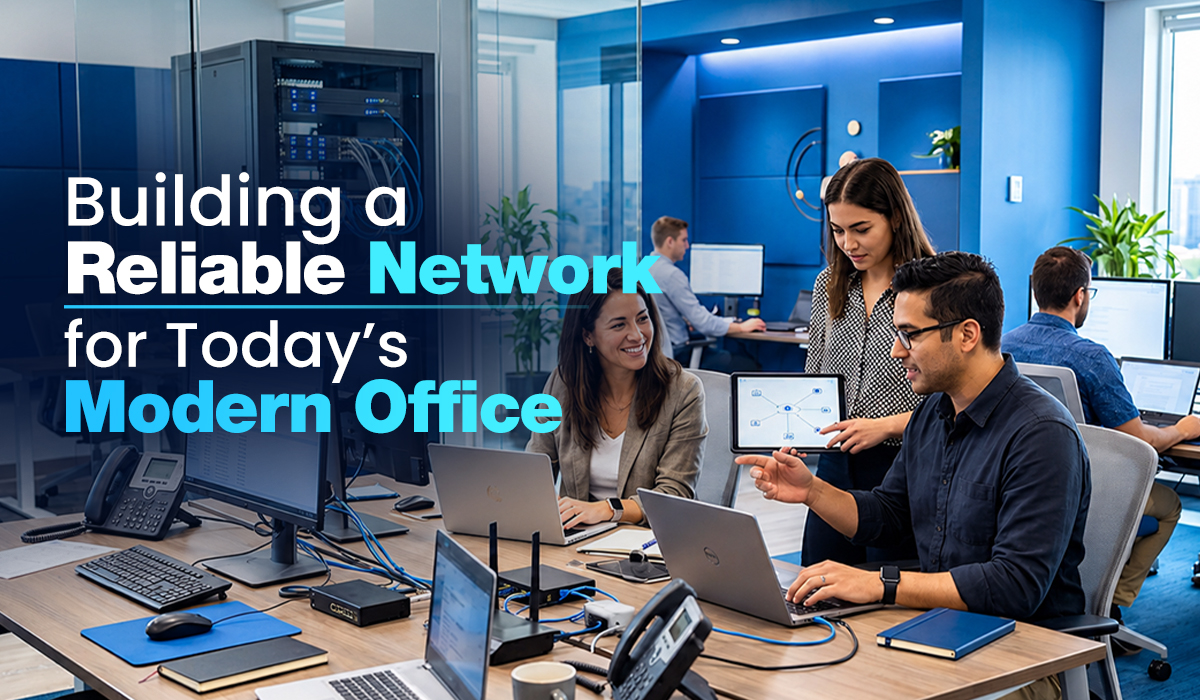
The modern office depends on uninterrupted connectivity. Employees access cloud platforms, join video meetings, share large files, and collaborate across locations throughout the day. Even a brief network disruption can slow productivity and affect business operations.
While network performance is often associated with internet speed and hardware, the cabling infrastructure behind the scenes plays an equally important role.
Building a reliable network starts with creating a strong foundation that can support both current demands and future growth.
The Foundation
Every successful network begins with a dependable physical infrastructure. Routers, switches, and access points can only perform as well as the network that connects them.
Many offices continue to use Cat5e Ethernet cable because it provides reliable Gigabit connectivity for a wide range of business applications. When properly installed and maintained, quality cabling creates a stable pathway for data transmission and helps reduce unexpected connection issues.
A reliable network is built from the ground up, which is why cabling decisions should never be treated as an afterthought.
More Devices
The average office contains far more connected devices than it did a decade ago. Computers are now joined by IP phones, wireless access points, printers, security cameras, smart displays, and access control systems.
As device counts increase, traffic moves across the network more frequently and from more directions. This growth can expose weaknesses in infrastructure that once handled lighter workloads without difficulty. Understanding how many devices use the network today, and how many may be added tomorrow, is an important part of network planning.
Network Design
A reliable network is rarely the result of hardware alone. Good design allows data to move efficiently while making future maintenance easier.
Several factors contribute to a strong design:
- Clear cable pathways
- Organized network closets
- Proper equipment placement
- Accurate cable labeling
- Capacity for future expansion
These practices help reduce troubleshooting time and create a network that remains manageable as the business grows.
Future Growth
Many organizations make the mistake of planning only for their current requirements. Unfortunately, network demand tends to increase much faster than expected.
New cloud applications, additional employees, higher resolution video conferencing, and smart building technologies can all place greater demands on infrastructure.
Planning for these requirements during the initial installation stage is often more cost-effective than performing large-scale upgrades later.
Scalability should be viewed as a core part of network reliability rather than an optional feature.
Cabling Choices
Not all network cabling decisions are based on current performance needs. Long-term infrastructure planning is equally important. The businesses preparing for future bandwidth growth use Cat6a cable spool because higher-category cabling can provide additional capacity for evolving applications and network technologies. While organizations may replace networking hardware several times over the years, installed cabling often remains in place much longer.
Choosing infrastructure with future requirements in mind can help businesses avoid costly retrofits.
Wireless Support: Wireless connectivity has become essential in modern workplaces, but strong WiFi depends on a capable wired network.
Access Points: Every wireless access point relies on a wired connection to deliver data throughout the building. Weak infrastructure can limit wireless performance.
Device Density: Conference rooms, training spaces, and collaborative areas often contain dozens of connected devices at the same time. These environments require sufficient network capacity.
Traffic Demands: Video meetings, cloud applications, and file sharing generate significant traffic that must travel across the wired network before reaching wireless users.
Future Standards: Emerging wireless technologies continue to increase speed and capacity expectations. Reliable cabling helps organizations support those advancements more effectively.
Because of this relationship, wireless planning should always be considered alongside cabling and infrastructure planning.
Ongoing Maintenance
Even the best-designed network requires attention over time. Cables can be damaged during office renovations, documentation can become outdated, and network requirements can change.
Regular inspections, organized cable management, and updated records help businesses maintain reliability and identify issues before they become major problems. Preventive maintenance is often less costly than responding to unexpected downtime.
Final Words
Building a reliable network for today's modern office requires more than fast internet access. It involves thoughtful planning, quality cabling, scalable infrastructure, and ongoing maintenance.
As businesses continue to adopt new technologies and connect more devices, a strong network foundation becomes increasingly important.
Organizations that invest in reliable infrastructure today are better positioned to support productivity, collaboration, and future growth tomorrow.
