How Long Does Laser Tattoo Removal Take to Heal?
Author : Ahmad Hassan | Published On : 08 Jul 2026
Removing an unwanted tattoo is a gradual process that requires patience and proper aftercare. Many people choose Laser Tattoo Removal in Dubai because of the advanced technology available and the ability to target different tattoo types with precision. Whether your tattoo is old, new, black, or colorful, healing plays an important role in achieving successful fading. While the laser works during each session by breaking down ink particles, your body's natural healing system is responsible for clearing those particles over time. Understanding the recovery timeline helps you know what to expect between sessions and how to care for your skin throughout the treatment journey.
Understanding the Healing Timeline
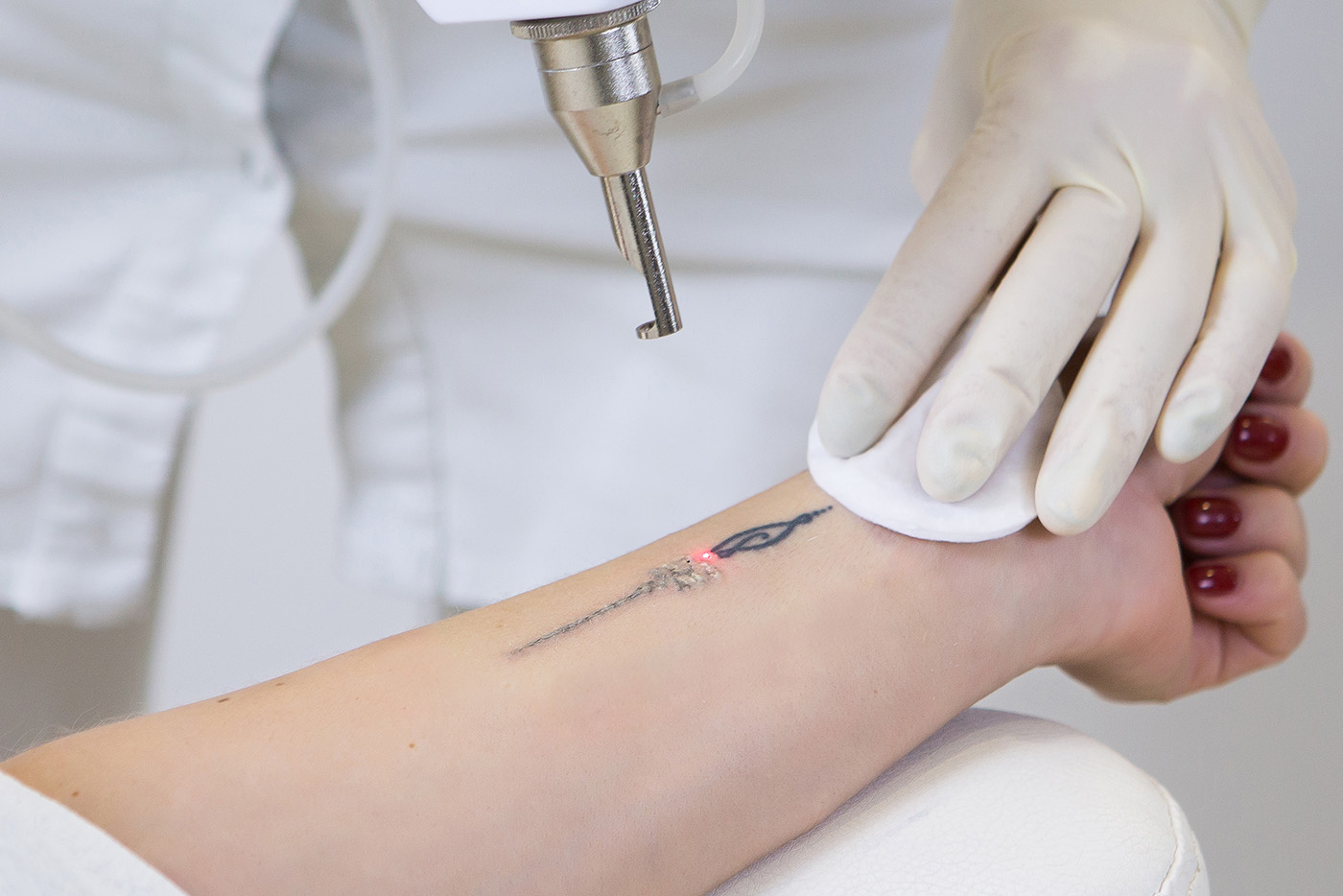
Healing after laser tattoo removal does not happen overnight. Although the treatment itself usually takes only a short appointment, the skin continues repairing itself for several weeks afterward. Most people notice that the treated area feels similar to a mild sunburn immediately after the session. Redness, slight swelling, and tenderness are common responses as the skin begins recovering.
During the first few days, the treated area may develop small blisters or scabs. These are natural signs that the body is responding to the laser energy. Instead of picking or scratching the skin, allowing it to heal naturally helps reduce irritation and supports even fading.
What Happens During Recovery?
The healing process occurs in stages, and every person's experience may vary depending on skin type, tattoo size, ink depth, and overall health. In general, recovery follows this pattern:
- First 24–48 hours: Mild redness and swelling.
- Days 3–7: Possible blistering or light scabbing.
- Weeks 2–4: Skin gradually returns to normal.
- Weeks 6–8: The immune system continues removing fragmented ink particles before the next session.
Because healing continues beneath the surface, tattoos often continue fading long after visible redness disappears.
Factors That Affect Healing Time
Several factors influence how quickly your skin recovers after treatment. Larger tattoos naturally require more healing than smaller designs, while older tattoos may respond differently compared to newer ones.
Lifestyle habits also make a noticeable difference. Staying hydrated, eating nutritious foods, avoiding smoking, and protecting the treated area from direct sunlight all contribute to smoother healing. Following aftercare instructions consistently helps minimize unnecessary irritation and supports healthy skin regeneration.
During the recovery period, Laser Tattoo Removal works by allowing your immune system to gradually eliminate broken ink particles. This natural process cannot be rushed, which is why adequate time between sessions is essential for both healing and visible fading.
Benefits of Allowing Proper Healing
Giving your skin enough time to recover offers several important advantages beyond comfort. Proper healing contributes to better treatment outcomes and healthier-looking skin.
Some key benefits include:
- Supports smoother skin recovery.
- Encourages more even tattoo fading.
- Reduces the chance of prolonged redness.
- Helps maintain healthy skin texture.
- Allows the immune system to remove ink more efficiently.
- Prepares the skin for future treatment sessions.
Patients who remain patient between appointments often notice steadier improvements because each healing cycle allows the body to continue processing the fragmented pigment.
Tips to Speed Up Recovery Safely
Although healing follows its own pace, good aftercare can support the recovery process. Simple daily habits help protect the treated skin while reducing unnecessary discomfort.
Consider these helpful practices:
- Keep the area clean and dry.
- Avoid scratching or removing scabs.
- Wear loose clothing if the tattoo is covered.
- Stay hydrated throughout recovery.
- Apply recommended soothing products if advised.
- Avoid excessive sun exposure.
- Skip swimming pools, hot tubs, and saunas until healing progresses.
These habits create an environment where the skin can repair itself naturally without unnecessary stress.
Why Multiple Sessions Require Healing Time
Laser tattoo removal is designed as a series of treatments rather than a single procedure. Each session breaks apart additional ink particles, but the body still needs several weeks to process and remove them. Scheduling treatments too closely together may interrupt recovery and reduce overall effectiveness.
Waiting the recommended interval allows inflammation to settle while giving the immune system enough opportunity to clear fragmented pigment. This balanced approach often produces more consistent fading throughout the treatment plan.
Signs Your Skin Is Healing Normally
Many people worry when they notice temporary skin changes after treatment. Fortunately, several common reactions are part of normal healing.
You may experience:
- Mild redness.
- Temporary swelling.
- Light itching.
- Small blisters.
- Thin scabs.
- Gradual peeling.
- Progressive fading over several weeks.
These effects usually improve naturally as the skin continues repairing itself. If healing progresses normally, each treatment becomes another step toward reducing the tattoo's visibility.
Supporting Long-Term Results
Healing does not end when the skin looks normal again. The immune system continues removing ink particles for several weeks after each appointment. This ongoing process explains why tattoos often appear lighter even a month or two after treatment.
Maintaining healthy daily habits throughout the entire treatment plan can improve overall recovery. Consistent skincare, balanced nutrition, hydration, and sun protection all contribute to healthier skin that responds more effectively to each session. Individuals who understand the importance of patience are often more satisfied with the gradual improvement they see over time.
Conclusion
Healing after laser tattoo removal is a gradual biological process rather than an instant result. While visible skin recovery usually occurs within a few weeks, deeper fading continues as the body's immune system removes broken ink particles between sessions. Following proper aftercare, protecting the treated skin, and allowing adequate recovery time all contribute to smoother healing and better long-term outcomes. For those considering treatment, Dynamic Clinic provides professional guidance throughout every stage of the tattoo removal journey, helping patients achieve clearer skin with confidence.
