How Long Does It Take to Install Automation Equipment?
Author : New York English Center | Published On : 06 Aug 2026
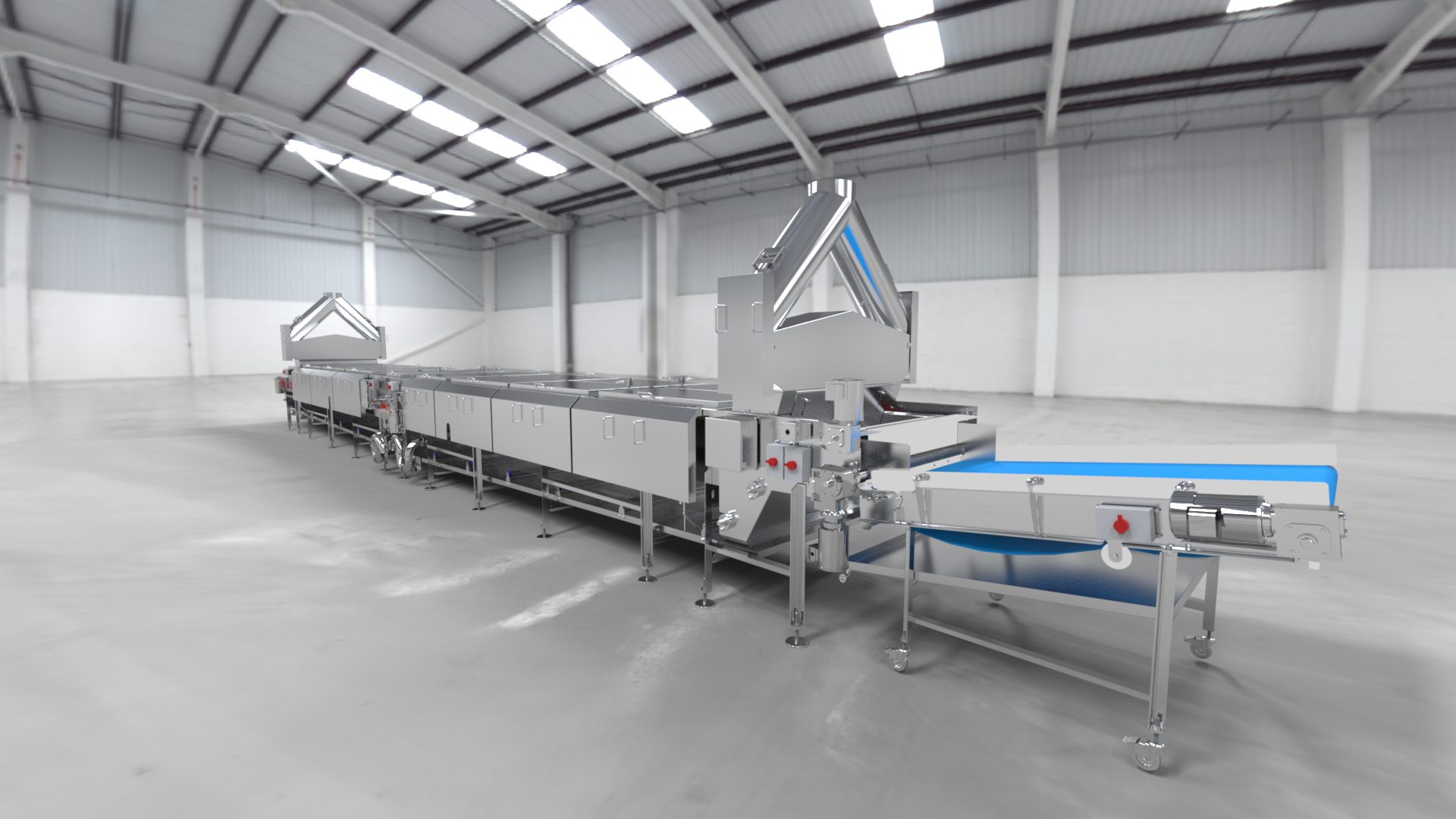
Ask a plant manager what worries them most about a new automation project and the answer is rarely the price tag. It is the schedule. Every extra day of installation can mean paused production, idle staff, and missed shipments, which is why realistic timelines sit at the heart of good project planning.
The honest answer depends on scope, but not in a vague way. A standalone machine can often be set, wired, and running within a few days. A fully integrated line may need several weeks on site, plus months of engineering and fabrication before the first crate arrives. Once you understand each phase, you can plan downtime, labor, and inventory with real confidence.
Typical Timelines at a Glance
Installation windows vary widely by project size. As a general guide:
- Single standalone machine, such as a dumper or lift: 1 to 5 days on site
- Multi-machine cell or conveyor section: 1 to 3 weeks on site
- Fully integrated production line: 4 to 12 weeks on site
- Complete project from concept to full production: 3 to 12 months
Keep in mind that on-site work is only the visible part. Much of the real timeline unfolds before a truck ever backs up to your dock.
What Happens Before Installation Day
Planning and Engineering: 2 to 10 Weeks
Every smooth installation starts on paper. Engineers document product specs, throughput targets, floor space, and utility capacity, then develop layouts and a controls architecture. Projects that follow a structured design build process tend to move faster later, because decisions about access, clearances, and connections get settled before fabrication begins.
Fabrication and Lead Times: 6 to 20 Weeks
Stock equipment may ship in a few weeks. Custom stainless steel machinery for food or pharmaceutical plants often takes two to five months to build, and long-lead components like drives, gearboxes, and control panels can add more. Ordering early is one of the simplest ways to protect your schedule.
Site Preparation: Runs in Parallel
While equipment is being fabricated, the site needs to get ready. That means power drops, compressed air, floor repairs, drainage, and clear rigging paths. In practice, the most common preventable delays trace back to sites that were not ready on delivery day.
The On-Site Installation Phase
Rigging, Placement, and Anchoring
Crews unload, position, level, and anchor each machine. For a single unit, this may take a day. For a full line, expect one to several weeks as sections are set in sequence. In operating plants, this work often happens on nights and weekends to protect production.
Utilities, Controls, and Systems Tie-In
Next comes wiring, plumbing, network connections, and safety circuits. Tying new equipment into existing lines is usually the trickiest part of the job, which is why experienced systems integration support matters. A clean tie-in can save days of troubleshooting later.
Testing, Commissioning, and Training
Once everything is connected, the team runs dry cycles, then product trials, then full-speed tests. Sensors get tuned, fault conditions are verified, and operators and maintenance staff are trained. For simple machines, commissioning takes a day or two. For integrated lines, plan on one to three weeks, followed by a ramp-up period as the team builds confidence at rated speeds.
How Long Does a Dumper Installation Take?
Material handling machines sit at the fast end of the spectrum, and dumpers are a good example. Because drum, tote, and box hydraulic dumpers arrive as largely self-contained units, on-site work typically takes one to three days. That covers setting and anchoring the frame, connecting power and hydraulics, installing guarding, and completing safety checks.
Builders such as CHL Systems assemble and test dumpers in the shop before shipment, which keeps field time short. If the dumper feeds a conveyor, scale, or mixer, add a day or two to align and test the handoff between machines.
Factors That Stretch or Shrink the Schedule
Several variables explain why two similar projects can end up with very different timelines:
- Customization level, since engineered-to-order equipment adds fabrication time
- Site readiness, especially utilities and structural work
- Available downtime windows for cutovers in running plants
- Integration with older machinery and legacy control systems
- Sanitary requirements in washdown environments
- Change orders made after fabrication has started
Larger conveyance and process improvement projects also depend on careful phasing, since sections often go live in stages rather than all at once.
Frequently Asked Questions
Can automation equipment be installed without shutting down production?
Often, yes. Installers frequently work during off-shifts, weekends, or planned shutdowns, and larger projects can be phased so only one area is down at a time. This adds calendar days but protects output.
What causes the most installation delays?
Unready sites top the list, followed by long-lead components, late design changes, and surprises hidden in older buildings, such as undersized power service or uneven floors.
How long does commissioning take after the equipment is in place?
Expect one to two days for a simple standalone machine and one to three weeks for an integrated line. Commissioning includes functional testing, product trials, safety validation, and operator training.
Is custom equipment slower to install than stock machinery?
Fabrication takes longer, often 8 to 20 weeks, but installation itself can go faster because the system was engineered for your exact space and tested before it shipped.
Final Thoughts
Realistic expectations make better projects. Plan on days of field work for a single machine, weeks for an integrated line, and several months end to end once engineering and fabrication are included. The biggest levers you control are early planning, site readiness, and ordering long-lead equipment on time. Get those right, involve your automation partner early, and your installation is far more likely to land on schedule and start paying for itself sooner.
