How Long Does an Eyebrow Transplant Take to Heal?
Author : Ahmad Hassan | Published On : 17 Jul 2026
If you are considering an Eyebrow Transplant, understanding the healing timeline is one of the most important parts of preparing for the procedure. Many people choose Eyebrow Transplant in Dubai to restore sparse, thin, or uneven brows with natural-looking hair growth. While the procedure itself is minimally invasive, the healing process occurs in several stages, and knowing what to expect can help you recover comfortably and achieve the best possible results.
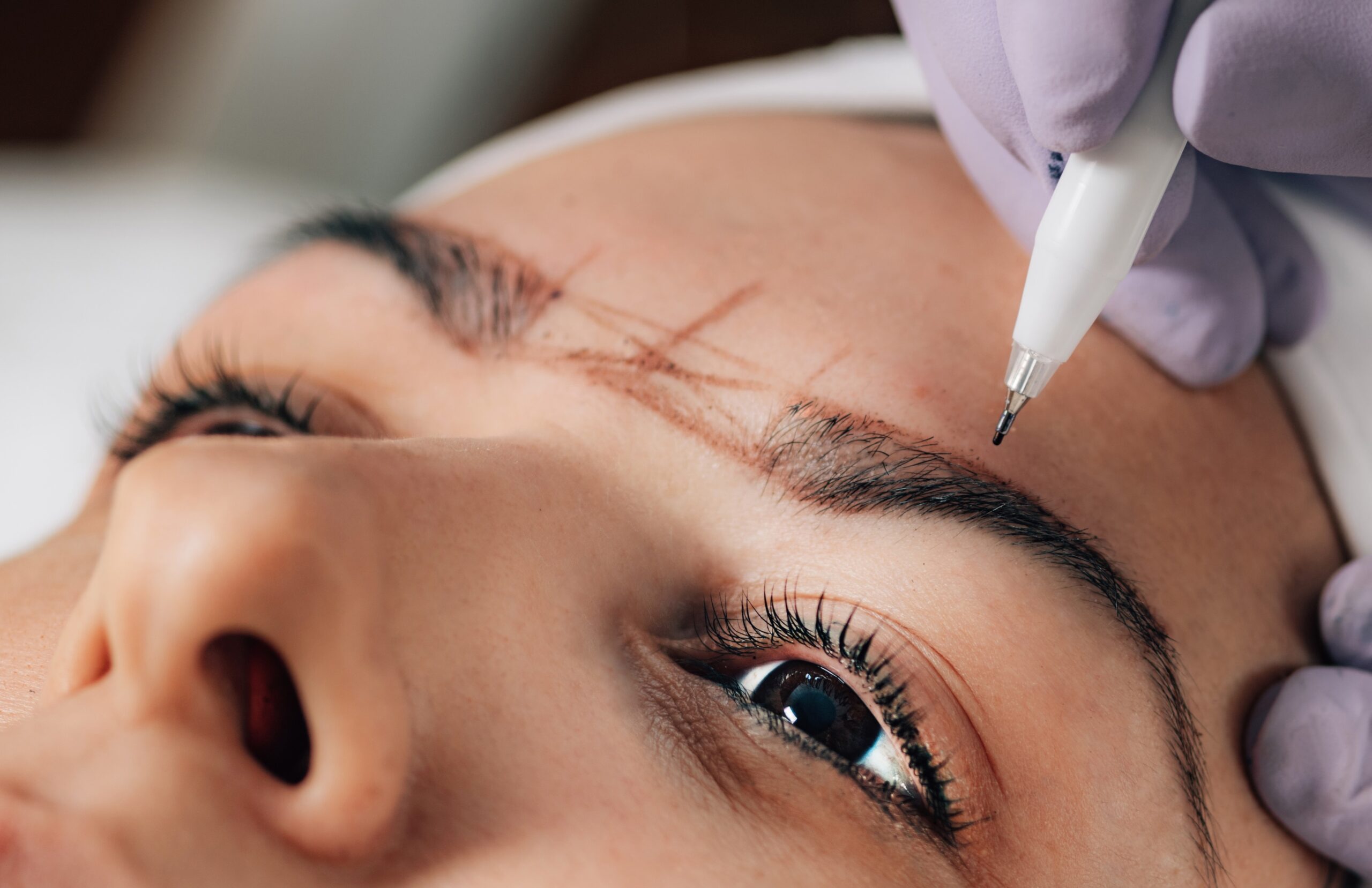
An eyebrow transplant involves transferring healthy hair follicles, usually from the back of the scalp, into the eyebrow area. The newly implanted follicles gradually settle into their new location, allowing fresh eyebrow hairs to grow naturally over time. Although recovery varies slightly from person to person, most patients experience a predictable healing journey.
Understanding the Healing Timeline
Healing after an eyebrow transplant happens gradually rather than overnight. The first few days are primarily focused on protecting the transplanted follicles as the skin begins to repair itself.
The typical recovery stages include:
- Mild redness and swelling during the first few days
- Small scabs are forming around each transplanted hair
- Gradual shedding of the transplanted hairs after a few weeks
- New hair growth beginning several months later
- Continued improvement in eyebrow density for up to a year
Each stage plays an important role in establishing healthy, long-lasting eyebrow growth.
What Happens During the First Week?
The first week is the most delicate part of recovery. Tiny scabs develop around each implanted follicle, protecting the healing skin underneath. Some people notice slight swelling around the forehead or upper eyelids, which usually improves within a few days.
Patients are generally advised to avoid rubbing or scratching the eyebrows because disturbing the grafts may interfere with proper healing. Gentle cleansing according to post-procedure instructions helps keep the area clean while allowing the follicles to remain secure.
Most people can return to light daily activities within a few days, although strenuous exercise should be postponed until the healing skin becomes more stable.
Weeks Two to Four: The Shedding Phase
Around two to four weeks after the procedure, many transplanted hairs naturally fall out. This often surprises patients, but it is a completely expected part of the healing process.
The follicles themselves remain safely beneath the skin. They enter a resting phase before producing new eyebrow hairs in the following months.
During this period, the eyebrows may appear similar to how they looked before treatment, even though healthy follicle development is taking place underneath the surface.
When Does New Hair Start Growing?
New eyebrow hairs generally begin appearing between three and four months after the transplant. Growth starts slowly, and the new hairs continue becoming thicker and stronger over time.
Around this stage, many patients choose Dynamic life clinic because of its focus on personalized aftercare and regular follow-up guidance throughout the recovery journey. Proper monitoring helps ensure the transplanted follicles continue developing as expected while patients learn how to maintain their new eyebrow shape.
Hair growth does not happen all at once. Instead, different follicles enter active growth at different times, creating gradual improvements in fullness.
Full Healing Can Take Several Months
Although the skin itself heals within a few weeks, complete follicle maturation takes considerably longer. Most patients notice significant improvement between six and nine months, while final results often appear after approximately twelve months.
During this period, transplanted eyebrow hairs continue adapting to their new location. Since donor hair often comes from the scalp, regular trimming may be needed because these hairs may initially grow faster than natural eyebrow hairs.
Patience is essential because every growth cycle contributes to a fuller and more natural eyebrow appearance.
Factors That Affect Healing Time
Several factors influence how quickly someone heals after an eyebrow transplant.
These include:
- Individual skin healing ability
- Overall health and lifestyle
- Following aftercare instructions carefully
- Protecting the transplanted area from injury
- Avoiding smoking during recovery
- Maintaining good nutrition and hydration
People who consistently follow post-procedure care instructions often experience smoother healing and healthier follicle development.
Benefits of an Eyebrow Transplant
Many individuals choose eyebrow transplantation because it offers long-term improvements that look and feel natural.
Some important benefits include:
- Fuller and more symmetrical eyebrows
- Permanent hair growth from transplanted follicles
- Natural-looking results
- Improved facial balance
- Customized eyebrow shape
- Reduced dependence on makeup
- Increased confidence in everyday appearance
These advantages make eyebrow transplantation an appealing option for individuals affected by over-plucking, genetics, scars, or naturally thin brows.
Tips for a Smooth Recovery
Following proper aftercare supports healthy healing and protects the newly implanted follicles.
Helpful recovery tips include:
- Keep the eyebrow area clean according to instructions.
- Avoid touching or scratching the grafts.
- Sleep with your head slightly elevated during the first few nights.
- Avoid heavy exercise until cleared.
- Protect the eyebrows from excessive sunlight.
- Avoid applying unnecessary cosmetic products during early healing.
- Attend scheduled follow-up appointments.
Small daily habits during recovery contribute significantly to long-term results.
Common Healing Questions
Many patients wonder whether certain symptoms are normal after an eyebrow transplant.
Mild itching commonly develops as the skin heals and should gradually improve. Temporary redness also fades naturally over time. Small scabs usually disappear within one to two weeks without needing to be removed manually.
The temporary shedding phase is often mistaken for treatment failure, but it actually indicates the follicles are progressing through their normal growth cycle before producing permanent eyebrow hairs.
Each person's recovery speed is slightly different, making patience one of the most important aspects of the healing process.
Conclusion
Healing after an eyebrow transplant is a gradual process that requires patience, proper aftercare, and realistic expectations. While the skin recovers within the first few weeks, the transplanted follicles continue developing for several months before producing full, natural-looking eyebrow growth. By following recommended recovery guidelines and allowing each stage of healing to occur naturally, patients can enjoy long-lasting improvements in eyebrow density and appearance. Choosing an experienced team and understanding the recovery timeline can make the entire Eyebrow Transplant journey smoother and more rewarding.
