How Long Does a Synthetic Running Track Need to Cure After Installation?
Author : Michael Carter | Published On : 29 May 2026
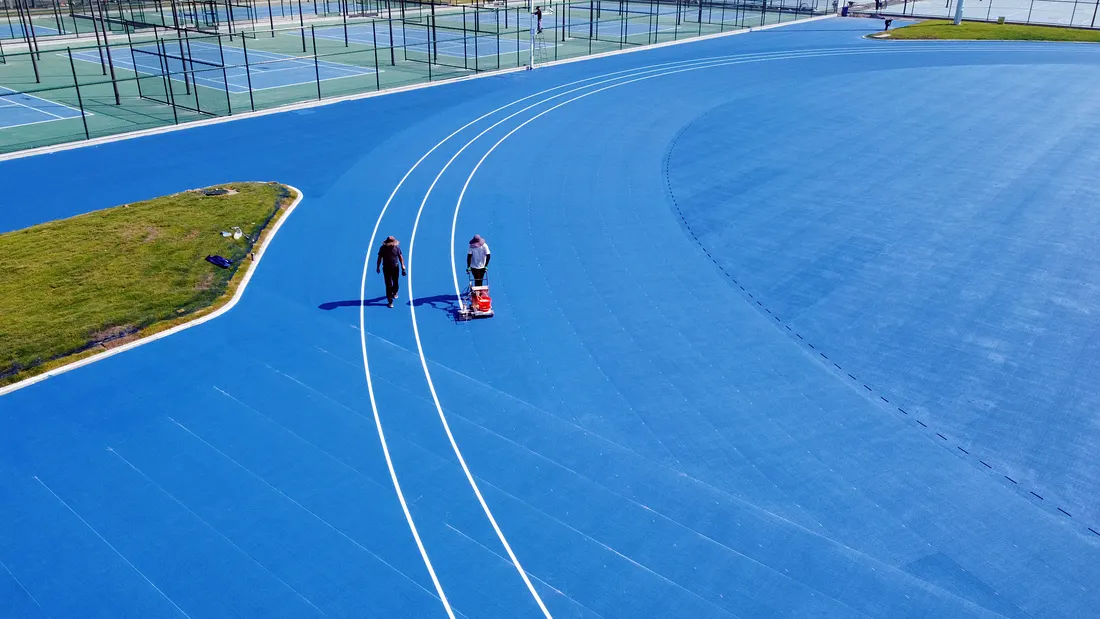 A synthetic running track does not become ready for use immediately after installation. Proper curing time is essential to ensure durability, safety, and long-term performance. Understanding the curing process helps facility managers, contractors, and school buyers avoid premature use that could damage the surface.
Recommended Curing Time for a synthetic running track
Typically, a synthetic running track requires a curing period of 7–14 days after installation. However, the actual curing time may vary depending on several factors:
- Temperature — Lower temperatures slow down material curing
- Weather conditions — Humidity and rain can affect the process
- Material formulation — Different systems have different curing characteristics
- Construction conditions — Installation quality also impacts curing speed
For example, in colder environments, the chemical reaction of polyurethane materials becomes slower, which may require extending the curing period to achieve optimal performance.
Why the Curing Process Is Important
The main purpose of curing is to allow the track materials to fully stabilize and reach their designed physical properties.
Only after proper curing can a synthetic running track achieve:
- Optimal elasticity and shock absorption
- Strong surface bonding strength
- Stable anti-slip performance
- Long service life
Premature use may lead to surface damage, reduced flatness, and shortened lifespan.
Key Precautions During the Curing Period
To protect the newly installed synthetic running track, the following precautions are recommended:
1. Avoid Heavy Use
The track surface is still stabilizing during curing. Heavy loads or intense sports activities may cause permanent surface damage.
2. Keep the Surface Dry
Rainwater or excessive moisture can interfere with material curing. Ideally, curing should take place in dry weather conditions.
3. Restrict Access
Setting up temporary barriers or warning signs can prevent accidental use before the track is ready.
Post-Curing Inspection Checklist
After curing is complete, a professional inspection should be conducted to ensure the synthetic running track meets quality standards.
Key inspection points include:
Surface flatness
- Smooth and even surface
- No visible bumps or depressions
- Safe running conditions for athletes
Color consistency
- Uniform surface color
- No obvious color variations
- Good visual appearance
Drainage performance
- No standing water after rain
- Functional drainage slope
- Protection against water damage
Conclusion
The curing process of a synthetic running track is a critical step that directly affects performance and durability. From selecting the correct curing time to following proper precautions and conducting final inspections, every step contributes to building a high-quality sports surface.
Proper curing ensures the track delivers the safety, comfort, and performance athletes expect.
