How Liver Cirrhosis Affects Your Health and What to Do
Author : House of Pathology Expert gurugram | Published On : 21 Apr 2026
Liver cirrhosis is a serious long-term condition that develops when healthy liver tissue is gradually replaced by scar tissue. Over time, this scarring makes it harder for the liver to do its important jobs, such as filtering toxins, supporting digestion, storing energy, and helping the body fight infection. Because the liver performs so many vital functions, cirrhosis can affect overall health in many ways and may begin quietly before symptoms become obvious.
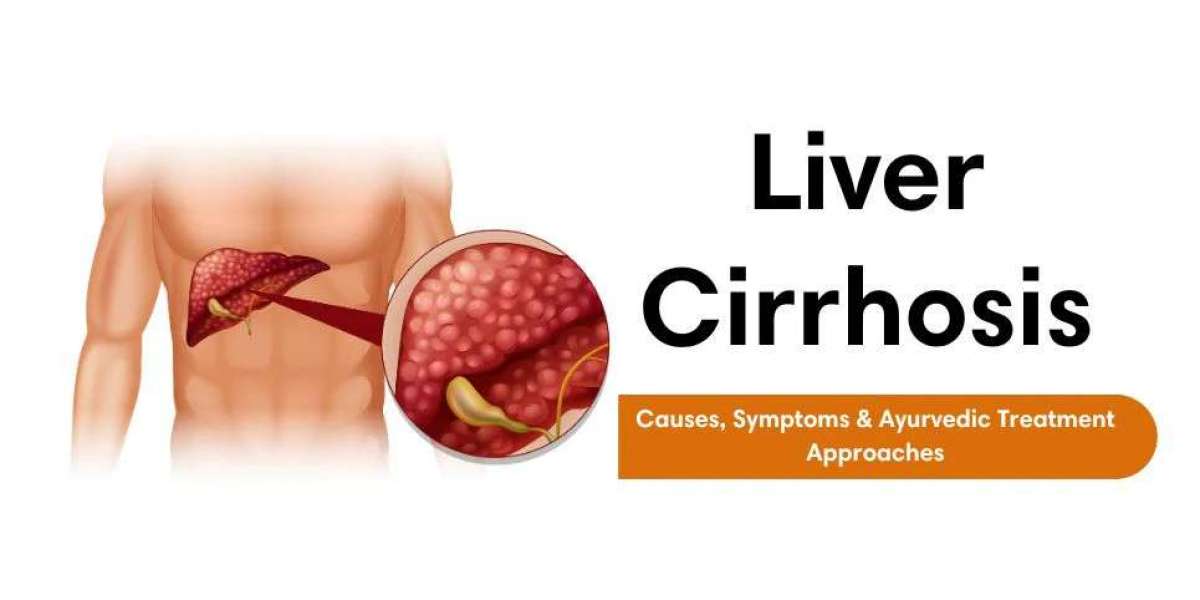
When the liver is damaged for a long period, blood flow through the organ can also become restricted. This can lead to pressure buildup in the veins that carry blood to the liver, a condition known as portal hypertension. As the disease progresses, people may experience fatigue, weakness, appetite loss, swelling in the legs or abdomen, yellowing of the skin or eyes, easy bruising, and confusion. In more advanced cases, cirrhosis can interfere with normal blood clotting, hormone balance, and the body’s ability to remove waste.
Early detection matters because liver cirrhosis is often linked to conditions that can be monitored or treated when found in time. Common causes include chronic viral hepatitis, long-term alcohol use, fatty liver disease, autoimmune liver disease, and certain inherited disorders. Since symptoms may appear slowly, people often do not realize the liver is being affected until routine testing reveals abnormal results. That is why timely evaluation at best pathology lab in gurugram can play an important role in identifying liver-related concerns before they become severe.
What Happens in the Body During Cirrhosis
The liver has a remarkable ability to heal itself, but repeated injury can overwhelm this process. Each time the liver is damaged, it tries to repair itself. If the injury continues over months or years, scar tissue builds up and replaces normal liver cells. This scar tissue does not function like healthy tissue, so the liver becomes less efficient.
As cirrhosis advances, the body may start to retain fluid, leading to swelling in the abdomen or lower limbs. Toxins that the liver would normally process may remain in the bloodstream, which can affect brain function and cause poor concentration or sleep problems. Some people may also notice itching, muscle loss, or changes in weight. Because the condition affects several systems in the body, it can gradually reduce energy, daily comfort, and overall quality of life.
Why Testing Is Important
Cirrhosis cannot be confirmed by symptoms alone. Doctors usually recommend laboratory and imaging tests to understand how well the liver is working and whether scarring is present. These tests help identify the possible cause, measure the severity of liver damage, and guide treatment decisions. For people with ongoing liver concerns, specialized tests in gurgaon may help provide a clearer picture of liver health and related conditions.
At House of Pathology Expert, proper testing can support a more accurate diagnosis and allow doctors to plan care based on reliable results. In many cases, blood tests are used to check liver enzymes, bilirubin levels, albumin, and clotting function. Other tests may evaluate hepatitis infection, iron levels, autoimmune markers, or metabolic causes. Ultrasound and other scans may also be used to assess liver structure and detect signs of scarring or fluid buildup.
How Cirrhosis Affects Everyday Health
Liver cirrhosis can affect everyday life in several ways. Many people feel tired even after resting. Eating may become difficult because of nausea, bloating, or loss of appetite. Some may also feel weak because the body is not processing nutrients as efficiently as it should. As the disease becomes more advanced, fluid buildup can make movement uncomfortable and may affect breathing or sleep.
Cirrhosis can also increase the risk of infections and bleeding. Since the liver helps make proteins needed for clotting, even minor injuries may bleed more easily. In addition, fluid in the abdomen can become a site where infection develops. These complications show why cirrhosis should never be ignored and why medical follow-up is important.
What To Do If Cirrhosis Is Suspected
If cirrhosis is suspected, the first step is to consult a qualified doctor and undergo the recommended investigations. A complete assessment usually includes medical history, physical examination, blood work, and imaging studies. One helpful resource for understanding this process is Investigations for Liver Cirrhosis, which explains the essential tests used for accurate diagnosis.
Once the condition is confirmed, treatment depends on the cause and stage of liver damage. Doctors may recommend stopping alcohol, treating hepatitis, managing weight, controlling diabetes, or using medicines to reduce symptoms and complications. In advanced cases, more specialized treatment may be needed. Regular monitoring is important because cirrhosis can change over time, and early action often helps reduce the risk of serious complications.
Lifestyle choices also matter. A balanced diet, adequate hydration, avoiding alcohol, and following medical advice can help support liver function. Vaccinations, routine checkups, and follow-up tests may also be recommended depending on the underlying cause of liver disease. The goal is not just to manage symptoms, but to protect remaining healthy liver tissue and improve long-term well-being.
Conclusion
Liver cirrhosis is a condition that can have a major impact on health, but early testing and proper medical care can make a meaningful difference. Since the liver is central to digestion, detoxification, and blood regulation, damage to this organ affects many parts of the body. Recognizing warning signs, getting evaluated on time, and choosing trusted diagnostic support from House of Pathology Expert are important steps toward better care. With timely diagnosis and appropriate follow-up, patients have a better chance of managing the condition and protecting their overall health.
