How Is a Liquid Facelift Planned for Patients?
Author : Health care | Published On : 10 Mar 2026
In the modern world of cosmetic enhancement, the liquid facelift has emerged as a popular, non-surgical alternative to traditional facelifts. Combining dermal fillers and neuromodulators, this procedure can restore facial volume, smooth wrinkles, and enhance contours without invasive surgery. If you’re considering a Liquid Facelift in Dubai, understanding how the treatment is planned is crucial for achieving safe and effective results.
Understanding the Liquid Facelift
A liquid facelift is a non-invasive procedure that primarily uses injectable substances to rejuvenate the face. Dermal fillers—often made of hyaluronic acid—restore volume to areas that have lost elasticity, while neuromodulators, like botulinum toxins, help reduce dynamic wrinkles caused by muscle movement. Unlike surgical facelifts, which require incisions and extensive recovery, a liquid facelift offers immediate results with minimal downtime.
The planning phase is the foundation of a successful treatment. Careful assessment ensures that results look natural and align with the patient’s aesthetic goals.
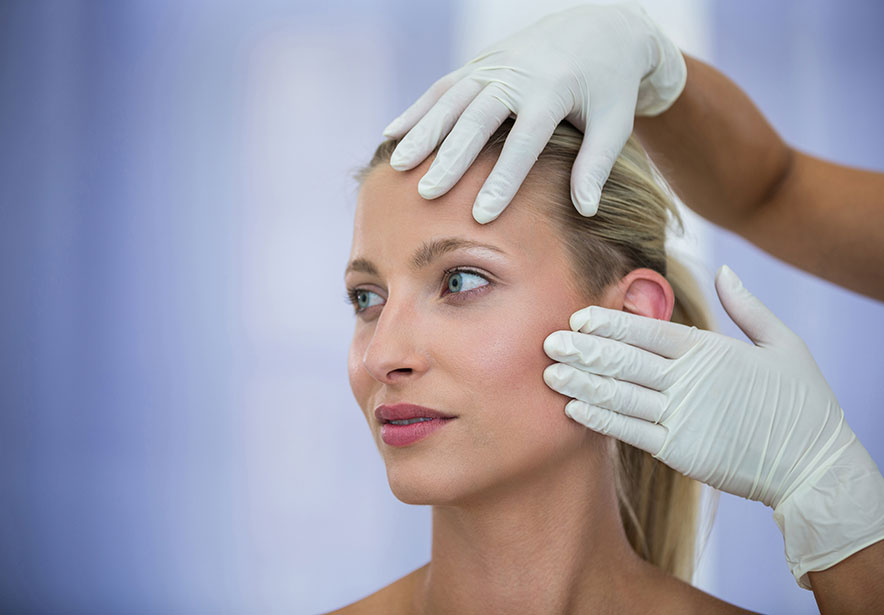
Initial Consultation and Assessment
The first step in planning a liquid facelift is a thorough consultation. During this session, a specialist evaluates the patient’s medical history, lifestyle, and facial structure. Key aspects include:
-
Medical background: Patients are screened for conditions or medications that could affect healing or interact with fillers.
-
Facial analysis: The practitioner assesses areas of volume loss, wrinkles, and sagging. Special attention is given to the mid-face, jawline, cheeks, under-eye areas, and nasolabial folds.
-
Skin quality: Skin elasticity, hydration, and thickness influence the type and amount of filler required.
-
Patient goals: Understanding whether the patient seeks subtle enhancement or more noticeable rejuvenation helps shape the treatment plan.
This consultation also offers a chance to manage expectations. A clear discussion about what a liquid facelift can achieve versus what a surgical option can provide ensures satisfaction and realistic outcomes.
Customizing the Treatment Plan
Every face is unique, and a personalized approach is essential. After the initial assessment, a treatment plan is designed that specifies:
-
Target areas: Decisions are made on which areas need volume restoration, wrinkle reduction, or contour improvement.
-
Choice of fillers and neuromodulators: Different products vary in consistency, longevity, and effect. Thicker fillers may be used for structural support in the cheeks or jawline, while softer fillers target delicate areas like under the eyes.
-
Injection technique: Techniques may include linear threading, fanning, or bolus injections depending on the desired outcome.
-
Sequential planning: Some patients may benefit from staged treatments, particularly if multiple areas require enhancement. This helps achieve a natural result and allows for adjustments after initial injections.
Personalized planning not only ensures natural results but also reduces the risk of complications, such as overfilling or asymmetry.
Pre-Treatment Preparation
Proper preparation is another vital component of planning a liquid facelift. Patients are usually advised to:
-
Avoid blood-thinning medications or supplements, such as aspirin or fish oil, for a few days prior to treatment to minimize bruising.
-
Refrain from alcohol consumption 24–48 hours before injections.
-
Follow specific skincare routines to optimize skin health and reduce inflammation.
During this stage, patients are also encouraged to ask questions and clarify any doubts, ensuring confidence and peace of mind before the procedure.
The Procedure Process
While the actual injections are typically completed in under an hour, careful planning determines the sequence and volume for each area. Common steps include:
-
Marking: The practitioner marks precise points on the face to guide injections.
-
Cleansing and numbing: The skin is cleaned, and a topical anesthetic may be applied to enhance comfort.
-
Injection: Fillers are administered using the planned techniques. Neuromodulators are injected strategically to relax specific facial muscles.
-
Assessment and adjustments: After initial injections, the practitioner evaluates symmetry and may make small adjustments for optimal balance.
Thanks to meticulous planning, patients usually notice immediate improvements, with subtle enhancements continuing over the following days as swelling settles.
Post-Treatment Care and Follow-Up
Even though liquid facelifts are minimally invasive, post-treatment care is essential. Patients are advised to:
-
Avoid massaging treated areas for the first 24–48 hours.
-
Stay hydrated and maintain a healthy skincare routine.
-
Avoid intense heat, like saunas or sunbathing, for several days.
Follow-up appointments are often scheduled to monitor results and ensure patient satisfaction. Minor touch-ups may be performed to perfect the outcome.
Benefits of a Well-Planned Liquid Facelift
When carefully planned, a liquid facelift can provide multiple advantages:
-
Natural results: Personalized assessment ensures that enhancements complement existing facial features.
-
Minimal downtime: Patients can typically return to normal activities immediately.
-
Gradual and adjustable: Treatments can be tailored over time to match changing aesthetic goals.
-
Non-surgical: Eliminates the risks associated with anesthesia and surgery.
For many individuals seeking facial rejuvenation, a liquid facelift in Dubai offers a reliable and effective path to a youthful, refreshed appearance without the commitment of surgery.
Final Thoughts
Planning a liquid facelift is more than just deciding where to inject fillers. It involves a comprehensive approach that evaluates medical history, facial anatomy, skin quality, and aesthetic goals. By focusing on individualized assessment and precise execution, practitioners can achieve results that are natural, harmonious, and long-lasting.
Whether you are exploring subtle enhancements or a complete facial rejuvenation, understanding the planning process empowers you to make informed choices and achieve the best possible outcome.
