How Industrial Valves Improve Pressure Control and Automation in Modern Systems
Author : SVR GLOBAL | Published On : 13 Nov 2026
The Importance of Precision in Industrial Valve Systems
A sudden change in pipeline pressure can disrupt an entire industrial operation, damage expensive equipment, and create serious safety concerns. In industries where fluids, gases, and steam move through complex pipeline networks, maintaining consistent pressure and controlling flow are essential. Industrial valves play a significant role in achieving these objectives by regulating movement, protecting equipment, and supporting efficient processes. Pressure control and automation have become particularly important as manufacturing facilities increasingly depend on accurate operations. Selecting suitable valve solutions helps industries improve reliability, minimize operational interruptions, and maintain consistent production standards.
Understanding the Role of Pressure Regulation
Pressure regulation is a fundamental requirement in industries such as oil and gas, chemical processing, water treatment, power generation, and manufacturing. Excessive pressure can place unnecessary stress on pipelines, pumps, and connected equipment, potentially resulting in leaks or mechanical failures. A pressure-reducing valve helps maintain the required downstream pressure by automatically adjusting flow according to changing operating conditions. When evaluating a Pressure Reducing Valve Manufacturer In USA, industrial buyers should consider manufacturing quality, pressure ratings, material compatibility, and performance consistency. Choosing an appropriate valve solution supports safer operations while helping facilities maintain stable pressure throughout demanding industrial applications.
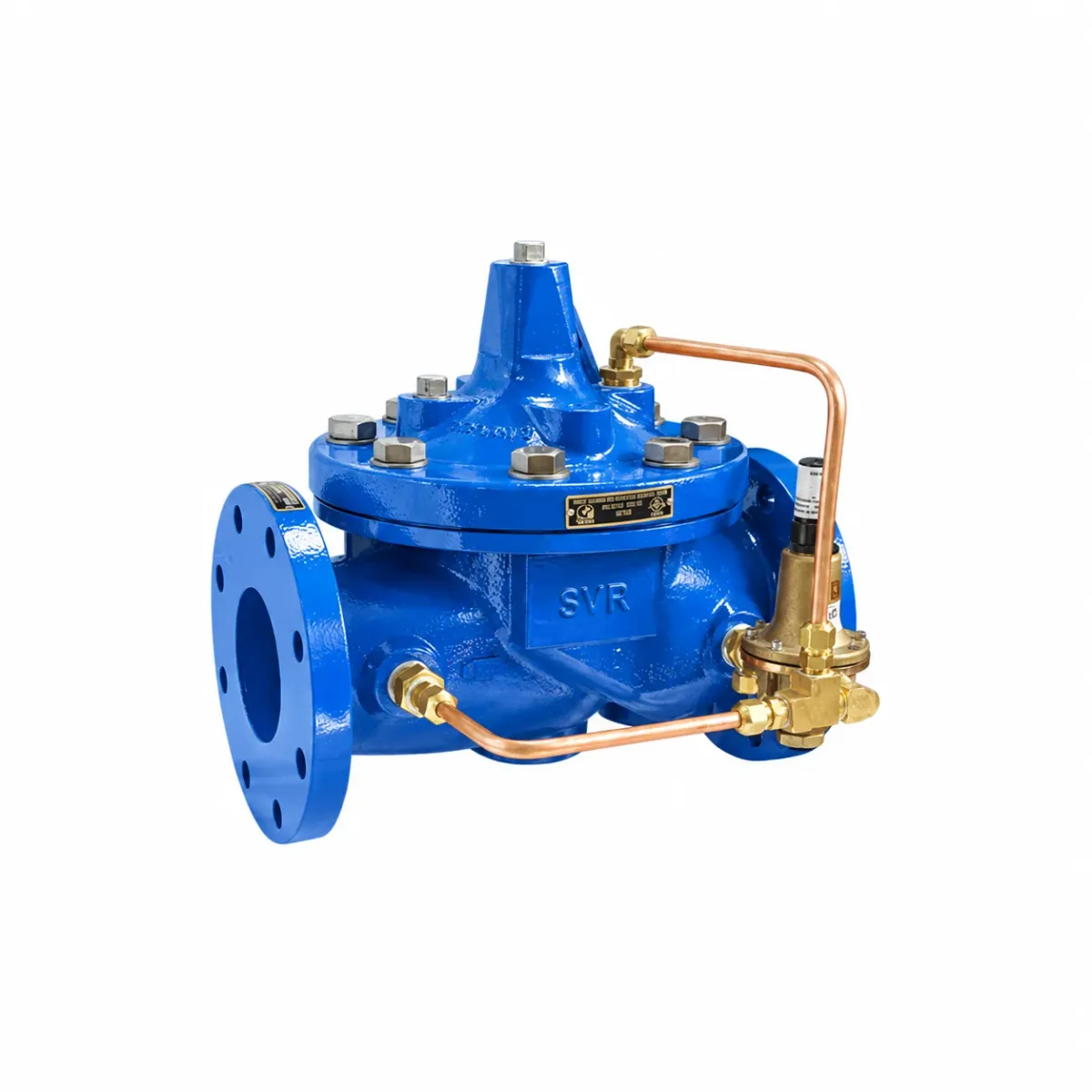
How Pressure Reducing Valves Support Operational Efficiency
Industrial systems frequently experience variations in inlet pressure because of changing demand, equipment performance, and pipeline conditions. Without suitable regulation, these fluctuations can affect product quality and increase maintenance requirements. Pressure-reducing valves address this challenge by lowering higher inlet pressure to a controlled downstream level. Their ability to maintain relatively consistent pressure makes them valuable in applications involving steam distribution, compressed air networks, water supply systems, and industrial fluid processing. Proper sizing and installation are equally important because an incorrectly selected valve may cause pressure instability, unnecessary energy consumption, or reduced system performance over time.
The Growing Importance of Pneumatic Valve Automation
Automation has transformed industrial operations by making equipment control faster, more consistent, and less dependent on manual intervention. Pneumatically actuated valves use compressed air to operate valve mechanisms, allowing systems to control fluid or gas movement through automated signals. For facilities requiring dependable automation solutions, selecting a Pneumatic Actuated Valve Manufacturer In USA involves evaluating actuator performance, valve construction, operating pressure, and application requirements. These valves are particularly useful in manufacturing plants, chemical facilities, and processing industries where frequent operation and accurate flow control are necessary. Their practical design supports efficient integration into automated industrial systems.
Benefits of Pneumatically Actuated Valve Technology
Pneumatic actuated valves offer several advantages for industrial applications, particularly where quick operation and dependable control are essential. Compressed air provides the energy required to move the actuator, enabling remote operation through suitable control systems. This arrangement can reduce the need for workers to operate valves manually in difficult or potentially hazardous locations. Depending on the design, pneumatic actuators can support on-off operation or modulating control. Their suitability for repeated operating cycles makes them useful in production environments where consistent performance matters. Regular inspection of air supply connections, actuator seals, and control components helps maintain dependable functionality.
Choosing the Right Valve Materials and Construction
Material selection has a direct influence on valve durability, compatibility, and long-term operating performance. Industrial applications involve different operating conditions, including high temperatures, corrosive chemicals, abrasive fluids, and varying pressure levels. Stainless steel, carbon steel, and other specialized alloys may be appropriate depending on the application. Buyers should examine the chemical compatibility of wetted components, pressure and temperature ratings, sealing arrangements, and connection specifications before making a selection. A valve designed for one industrial environment may not perform effectively in another. Careful technical evaluation helps prevent premature wear, leakage, and avoidable equipment replacement.
Quality Standards and Manufacturing Reliability
Manufacturing quality is an important consideration when purchasing industrial valves because even minor defects can affect the performance of an entire pipeline system. Consistent machining, accurate dimensions, reliable sealing components, and appropriate testing procedures contribute to dependable valve operation. Industrial buyers should review relevant product specifications, inspection procedures, pressure-testing documentation, and applicable industry standards. Traceability of materials and clear technical documentation can also simplify maintenance and future procurement decisions. A dependable manufacturing approach helps industries reduce uncertainty, improve equipment compatibility, and maintain operational consistency across facilities with demanding performance requirements.
Installation and Maintenance for Long-Term Performance
Even a well-manufactured industrial valve requires correct installation and regular maintenance to deliver reliable results. Installation procedures should follow the manufacturer's technical instructions, including flow direction, mounting position, pressure limitations, and connection requirements. Pipeline cleanliness is also important because dirt, welding debris, and other contaminants can damage internal components. Routine inspections should examine leakage, unusual vibration, actuator response, and changes in operating pressure. Pneumatic systems additionally require attention to compressed-air quality and connection integrity. Preventive maintenance allows potential problems to be identified early, reducing unexpected downtime and helping equipment operate within its intended specifications.
The Future of Industrial Pressure Control and Automation
Industrial technology continues to evolve through digital monitoring, advanced process controls, and increasingly integrated automation systems. Modern facilities are placing greater emphasis on equipment that supports accurate measurements, dependable operation, and efficient resource management. Industrial valves remain important components in this development because they connect mechanical flow control with automated operating strategies. Improved monitoring can help maintenance teams identify performance changes before they develop into significant failures. As industries modernize their infrastructure, the demand for durable pressure-regulating and pneumatically operated valve solutions is expected to remain important across manufacturing, energy, processing, and utility applications.
Making Informed Decisions for Industrial Valve Requirements
Selecting suitable industrial valves requires more than comparing product prices or choosing equipment based on general specifications. Each application should be evaluated according to operating pressure, temperature, fluid characteristics, flow requirements, automation needs, and maintenance expectations. Technical support, product availability, manufacturing consistency, and documentation also influence purchasing decisions. Careful planning helps businesses avoid compatibility problems while improving the reliability of their pipeline infrastructure. With a focus on engineering quality and application-specific requirements, SVR GLOBAL contributes to the industrial valve sector by offering solutions aligned with the changing needs of modern pressure management and automated flow-control systems.
