How Human Resource Management Software Improves Workforce Efficiency in Modern Businesses
Author : Chandru s | Published On : 16 Mar 2026
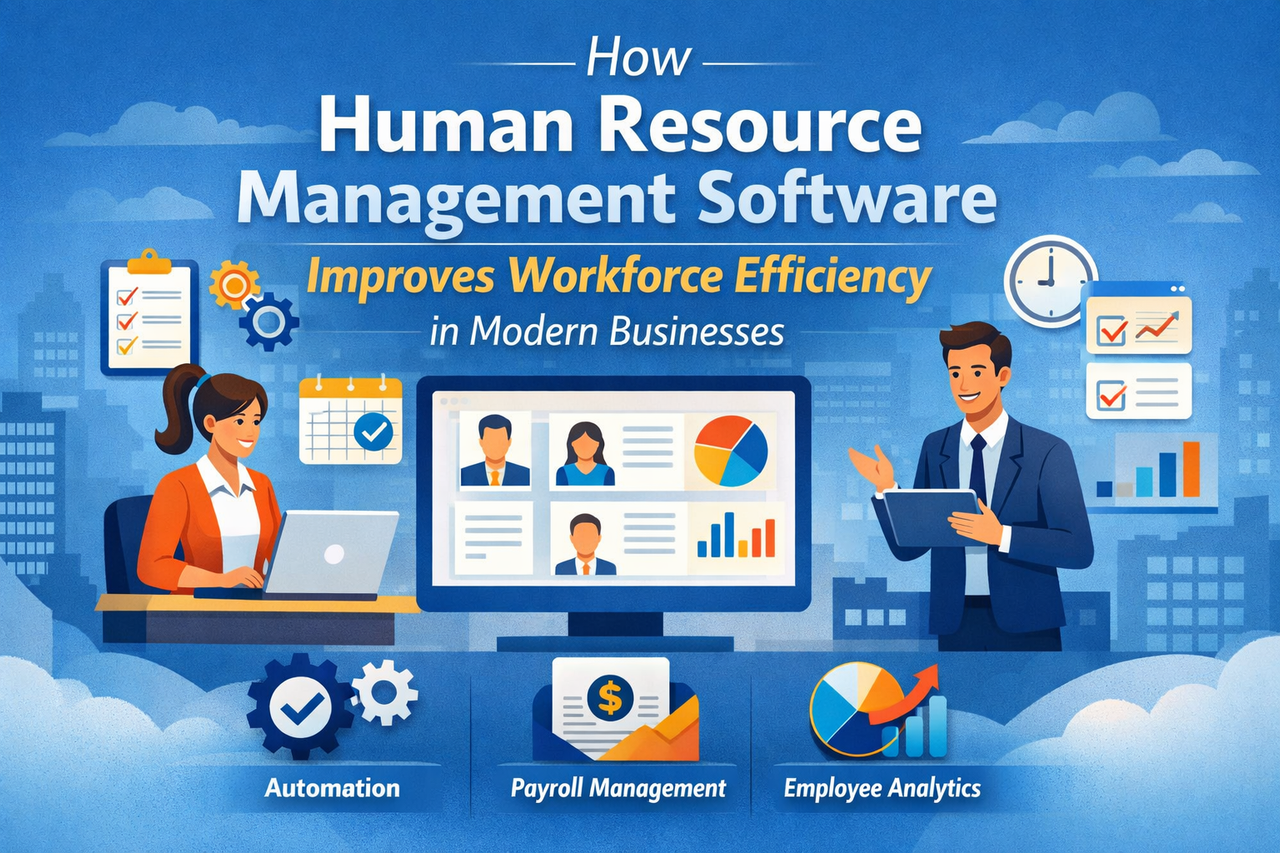 In today’s competitive business environment, organizations are constantly looking for ways to improve productivity, streamline operations, and manage their workforce more effectively. Human resource departments play a crucial role in achieving these goals, but traditional HR processes often involve manual paperwork, repetitive tasks, and fragmented data management. These challenges can slow down operations and reduce workforce efficiency.
This is where Human Resource Management Software (HRMS) becomes an essential tool for modern businesses. By automating HR processes and centralizing employee data, HRMS enables organizations to manage their workforce more efficiently while allowing HR professionals to focus on strategic initiatives. Companies across industries are increasingly adopting HRMS solutions to enhance productivity, improve employee engagement, and optimize HR operations.
Understanding Human Resource Management Software
Human Resource Management Software is a digital platform designed to manage and automate various HR functions such as employee records, payroll processing, recruitment, attendance tracking, performance evaluation, and compliance management. Instead of relying on manual processes or multiple disconnected systems, HRMS provides a centralized platform where all HR activities can be managed efficiently.
Modern HRMS solutions are often cloud-based, allowing businesses to access employee data and HR tools from anywhere. This flexibility is especially beneficial for organizations with remote or distributed teams. By providing real-time insights into workforce performance and HR operations, HRMS helps businesses make informed decisions and improve operational efficiency.
Key Features of Human Resource Management Software
A robust HRMS solution includes several powerful features that help businesses manage their workforce effectively.
Employee Information Management:
HRMS systems store comprehensive employee data, including personal details, job roles, salary information, and employment history. This centralized database eliminates the need for paper records and simplifies employee management.
Payroll Management:
Payroll processing is one of the most complex HR tasks. HRMS automates salary calculations, tax deductions, and benefits management, ensuring accuracy and timely payments.
Attendance and Leave Management:
Tracking employee attendance and leave requests manually can be time-consuming. HRMS automates attendance tracking, manages leave requests, and ensures transparency in employee scheduling.
Recruitment and Onboarding:
HRMS streamlines the recruitment process by managing job postings, candidate applications, interview scheduling, and onboarding processes. This improves hiring efficiency and enhances the candidate experience.
Performance Management:
HRMS enables businesses to track employee performance, set goals, conduct evaluations, and identify areas for improvement, leading to better productivity and career development.
Benefits of Human Resource Management Software
Implementing HRMS provides several advantages that directly impact workforce efficiency and business performance.
1. Automation of Repetitive Tasks
HR teams often spend a significant amount of time on administrative tasks such as payroll processing, attendance tracking, and employee data management. HRMS automates these tasks, reducing manual work and freeing up HR professionals to focus on strategic initiatives like employee development and organizational growth.
2. Improved Data Accuracy
Manual data entry increases the risk of errors that can lead to payroll mistakes or compliance issues. HRMS minimizes human errors by automating calculations and maintaining accurate records, ensuring reliable data management.
3. Enhanced Employee Experience
Modern employees expect digital solutions that simplify their interactions with HR departments. HRMS platforms often include self-service portals where employees can update personal information, apply for leave, access payslips, and track performance goals, improving overall employee satisfaction.
4. Better Decision-Making with Analytics
HRMS solutions provide valuable insights through data analytics and reporting features. Businesses can analyze workforce trends, monitor employee performance, and identify areas for improvement. These insights help organizations make data-driven decisions that enhance productivity and operational efficiency.
5. Streamlined Compliance Management
Businesses must comply with labor laws, tax regulations, and workplace policies. HRMS helps organizations stay compliant by maintaining accurate records, automating tax calculations, and generating compliance reports.
How HRMS Improves Workforce Efficiency
One of the primary goals of implementing HRMS is to enhance workforce efficiency. By automating HR processes and improving communication between employees and HR teams, HRMS enables organizations to optimize their workforce management.
For example, automated attendance tracking eliminates the need for manual timekeeping, reducing errors and administrative workload. Similarly, performance management tools allow managers to monitor employee progress and provide timely feedback, encouraging continuous improvement.
Additionally, HRMS platforms facilitate better communication within the organization. Employees can easily access HR policies, submit requests, and receive updates through the system. This transparency improves employee engagement and reduces delays in HR processes.
Overall, HRMS helps organizations create a more organized and productive work environment where employees can focus on their tasks without administrative barriers.
The Role of Nextbrain in HRMS Development
Developing a reliable and scalable HRMS solution requires expertise in software development, user experience design, and business process automation. This is where Nextbrain Technologies plays a significant role.
Nextbrain is a leading technology company specializing in building customized HRMS solutions tailored to the unique needs of businesses. Their HR software solutions are designed to automate complex HR processes, improve workforce management, and enhance operational efficiency.
By leveraging advanced technologies such as cloud computing, AI-powered analytics, and secure data management systems, Nextbrain develops HRMS platforms that are scalable, secure, and easy to use. These solutions help businesses manage their workforce effectively while ensuring compliance and improving employee engagement.
Whether an organization needs a comprehensive HRMS platform or specific HR modules such as payroll management, recruitment automation, or performance tracking, Nextbrain provides flexible and innovative solutions that align with modern business requirements.
Future of Human Resource Management Software
The future of HRMS is driven by emerging technologies such as artificial intelligence, machine learning, and predictive analytics. These technologies are transforming HR operations by enabling smarter workforce management and strategic decision-making.
AI-powered HRMS solutions can analyze employee behavior, predict workforce trends, and provide recommendations for improving productivity. Automated chatbots can assist employees with HR queries, reducing the workload on HR teams.
Additionally, cloud-based HRMS platforms will continue to gain popularity due to their scalability, accessibility, and cost-effectiveness. As businesses increasingly adopt remote and hybrid work models, HRMS solutions will play a critical role in managing distributed teams and maintaining organizational efficiency.
Conclusion
Human Resource Management Software has become an essential tool for modern businesses seeking to improve workforce efficiency and streamline HR operations. By automating administrative tasks, centralizing employee data, and providing valuable insights through analytics, HRMS enables organizations to manage their workforce more effectively.
Businesses that invest in HRMS solutions can enhance productivity, improve employee engagement, and ensure compliance with regulatory requirements. As technology continues to evolve, HRMS platforms will become even more powerful in supporting strategic workforce management.
If your organization is looking to implement a customized HRMS solution that aligns with your business goals, partnering with Nextbrain Technologies can help you achieve that transformation. Contact Nextbrain today to explore innovative HR software solutions that can streamline your HR operations and improve workforce efficiency.
FAQs
1. What is Human Resource Management Software?
Human Resource Management Software is a digital platform that helps businesses manage HR tasks such as employee data, payroll, recruitment, attendance, and performance management in a centralized system.
2. How does HRMS improve workforce efficiency?
HRMS automates repetitive HR tasks, reduces administrative workload, improves communication, and provides data-driven insights that help businesses manage their workforce more effectively.
3. Is HRMS suitable for small businesses?
Yes, HRMS solutions can be customized for businesses of all sizes. Small businesses benefit from HRMS by automating HR processes and improving employee management without increasing operational costs.
4. What features should a good HRMS include?
A good HRMS should include employee management, payroll processing, attendance tracking, recruitment management, performance evaluation, and reporting capabilities.
5. Why should businesses invest in HRMS solutions?
Businesses should invest in HRMS to improve operational efficiency, enhance employee experience, ensure compliance with regulations, and make data-driven decisions for workforce management.
