How Garage Door Side Locks Work and When They Should Be Upgraded
Author : Pop's Garage Doors | Published On : 03 Nov 2026
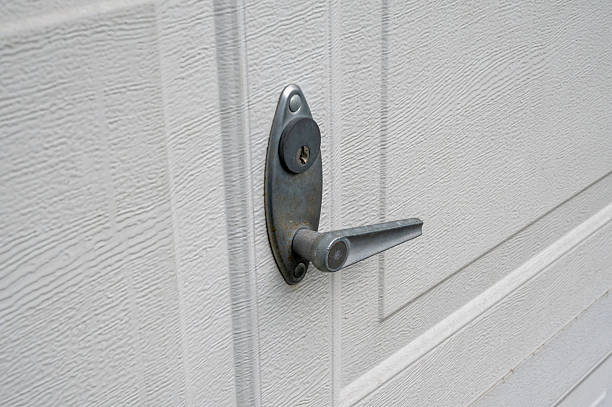
Garage door security is an important part of protecting a home, garage, and valuable belongings. While many homeowners focus on garage door openers, remote controls, and automatic locking systems, the side lock is another important component that should not be overlooked. Garage door side locks provide an additional layer of protection by helping prevent unauthorized access when the door is closed.
A side lock is a mechanical locking mechanism installed along the inside edge of a garage door. It typically secures the door by sliding a metal bolt into a hole or locking point on the vertical track. Although this mechanism is relatively simple, it can make a difference in overall garage security, especially when the garage door does not have an advanced automatic locking feature.
Over time, side locks can become worn, damaged, loose, or outdated. Understanding how these locks work, recognizing signs of damage, and knowing when to upgrade them can help homeowners maintain a safer garage door system.
What Is a Garage Door Side Lock?
A garage door side lock is a manually operated security device designed to hold a garage door in its closed position. It is usually installed on the interior side of the garage door, close to one of the vertical tracks.
Most traditional side locks use a sliding metal bolt that moves horizontally. When the homeowner engages the lock, the bolt extends into an opening in the garage door track. This prevents the door from moving upward until the bolt is pulled back into its unlocked position.
Side locks are commonly found on manually operated garage doors and some automatic garage door systems. They can provide additional security when the automatic opener is not being used or when the garage door needs to remain securely closed for an extended period.
Unlike electronic security systems, traditional side locks do not require electricity, batteries, Wi-Fi, or remote controls. Their straightforward construction makes them a practical security feature for many residential garages.
How Garage Door Side Locks Work
Garage door side locks operate through a simple mechanical process. Their primary purpose is to physically restrict the movement of the garage door when it is fully closed.
The locking mechanism generally includes a metal bolt, a mounting plate, a handle, and a receiving hole or slot in the vertical track.
When the garage door reaches the fully closed position, the homeowner can move the lock handle to extend the bolt into the track opening. Once engaged, the bolt prevents the door from being lifted manually.
To unlock the door, the handle is moved in the opposite direction, retracting the bolt from the track. The garage door can then move normally.
The main functions of a side lock include:
-
Preventing unauthorized manual lifting of the garage door.
-
Providing additional physical security when the door is closed.
-
Keeping the garage door secured during extended periods of non-use.
-
Offering a backup locking option when electronic features are unavailable.
-
Reducing the risk of unwanted access through certain types of garage doors.
However, homeowners with automatic garage door openers should understand how their side locks interact with the opener. Engaging a manual side lock while attempting to operate the automatic opener can damage the door system, opener, or locking hardware.
Different Types of Garage Door Side Locks
Not all garage door side locks have the same design. The right option depends on the garage door construction, operating system, and security requirements.
Manual Slide Locks
Manual slide locks are among the most common types of garage door side locks. They use a metal sliding bolt that fits into a hole in the vertical track. Homeowners operate the lock manually from inside the garage.
These locks are affordable, straightforward, and suitable for many traditional garage doors. However, the bolt and mounting hardware should be inspected regularly to ensure they remain secure.
Interior Deadbolt Locks
Some garage doors use interior deadbolt-style locking mechanisms. These locks provide a stronger mechanical locking point and can offer additional resistance against forced entry.
They are generally installed on the inside of the door and are operated manually. Proper installation is important because the lock must align correctly with its receiving point.
Automatic Garage Door Locks
Automatic garage door locks are designed to work with compatible garage door openers. Instead of requiring manual operation, these systems engage and release through an automated mechanism.
Some smart garage door systems also include automatic locking features that improve convenience and security. Homeowners should verify compatibility before installing these systems.
Smart Garage Door Locking Systems
Modern garage door technology offers additional security features, including smart access controls, activity notifications, and remote monitoring.
These systems can help homeowners manage garage access through connected devices. For additional ideas, explore these garage door security improvements to understand how modern technology can support better home protection.
Signs Your Garage Door Side Lock Needs Replacement
A side lock may appear to be a small component, but its condition can affect the overall security of your garage. Regular inspection helps homeowners identify problems before the locking mechanism stops working properly.
Here are some common signs that indicate a side lock may need repair or replacement.
1. The Locking Bolt Is Difficult to Move
If the sliding bolt becomes stiff or difficult to operate, it may indicate rust, dirt buildup, or damaged internal components. A lock that requires excessive force to engage or release should be inspected.
Avoid forcing the mechanism because this can bend the bolt or damage its mounting hardware.
2. The Lock Does Not Align With the Track
A side lock must align properly with the opening in the garage door track. If the bolt cannot enter the receiving hole smoothly, the door may not remain securely locked.
Misalignment can occur because of loose mounting screws, bent brackets, or changes in the door's position.
3. Visible Rust or Corrosion
Garage door hardware is regularly exposed to moisture, temperature changes, and environmental conditions. Over time, these factors can cause metal locking components to rust.
Corrosion can weaken the bolt, affect its movement, and reduce the effectiveness of the locking mechanism. Severely corroded hardware should be replaced.
4. Loose or Damaged Mounting Hardware
A side lock depends on secure mounting hardware to remain in position. If the mounting plate becomes loose or screws are missing, the locking mechanism may move when operated.
A damaged mounting plate or bent locking bolt can prevent the mechanism from securing the door properly.
5. The Lock No Longer Provides Proper Security
Older garage door locks may not provide the level of protection homeowners expect from a modern security system. If the existing lock is worn, damaged, or incompatible with the current garage door setup, upgrading may be a practical solution.
When Should You Upgrade Your Garage Door Side Locks?
Not every side lock problem requires a complete replacement. Sometimes, tightening the mounting hardware, correcting alignment, or replacing a damaged bolt can restore normal operation.
However, certain situations make upgrading the locking mechanism a better option.
Consider upgrading your garage door side lock when:
-
The existing lock is severely rusted or damaged.
-
The bolt repeatedly becomes stuck or fails to engage.
-
The locking mechanism does not fit the garage door properly.
-
Your current garage door security system is outdated.
-
You have installed a new garage door and need compatible locking hardware.
-
You want additional protection for a garage that stores valuable equipment, tools, or vehicles.
-
The existing lock has become unreliable despite previous repairs.
Before choosing a replacement, consider the garage door's design, track configuration, opener type, and security requirements. A compatible locking system will provide better functionality than simply installing a stronger-looking lock.
Benefits of Upgrading Garage Door Side Locks
Upgrading an outdated side lock can improve the functionality and security of a garage door. A properly selected locking mechanism offers several practical advantages.
Improved Physical Security
A properly installed side lock creates an additional physical barrier against unauthorized manual lifting. It can make it more difficult for someone to raise the door when the locking bolt is engaged.
However, a side lock should be considered one part of a complete garage security strategy rather than a replacement for other security measures.
Better Everyday Operation
New locking hardware generally offers smoother engagement and release when correctly installed. This reduces the frustration associated with stiff, damaged, or misaligned locks.
Reduced Hardware Problems
Replacing severely corroded or damaged components can prevent recurring locking issues. It also helps maintain proper alignment between the lock and the garage door track.
Compatibility With Modern Security Features
Homeowners upgrading their garage door systems may benefit from combining appropriate locking hardware with modern opener technology, rolling-code remotes, and smart access controls.
These improvements can make garage access easier to manage while providing additional security options.
How to Maintain Garage Door Side Locks
Regular maintenance helps extend the useful life of garage door locking hardware. Even a newly installed side lock requires occasional inspection to ensure it continues operating correctly.
Here are some maintenance practices homeowners can follow.
Inspect the locking mechanism: Check the bolt, handle, mounting plate, and surrounding hardware for visible damage, rust, or loose connections.
Keep the mechanism clean: Remove dust and debris that may interfere with the movement of the sliding bolt. Use an appropriate lubricant when recommended by the manufacturer.
Check bolt alignment: Make sure the bolt enters its receiving opening smoothly without requiring excessive force.
Watch for corrosion: Inspect metal surfaces for signs of rust. Replace components that have become severely weakened.
Test the locking function: With the garage door fully closed, check that the lock engages and releases correctly. Keep the automatic opener disengaged during any manual locking procedure.
Avoid forcing damaged hardware: If the lock becomes stuck or refuses to move, do not apply excessive pressure. Have the mechanism inspected to identify the underlying problem.
Routine maintenance is also important for other garage door components. Homeowners experiencing problems with tracks, rollers, springs, cables, or locking hardware can explore professional garage door repair and security services to identify suitable repair options.
Common Mistakes to Avoid When Using Side Locks
Although side locks are relatively simple devices, incorrect use can create problems for the entire garage door system.
One common mistake is engaging a manual side lock while the automatic garage door opener is still being used. If the opener attempts to lift the door while the bolt is engaged, it can damage the locking hardware, tracks, or opener mechanism.
Another mistake is ignoring minor alignment problems. A bolt that does not enter the track opening correctly may eventually bend or become difficult to operate.
Homeowners should also avoid installing incompatible locking mechanisms without checking the door manufacturer's recommendations. Not every side lock is suitable for every garage door design.
Finally, relying only on a manual side lock can create a false sense of security. A comprehensive approach should also include a properly maintained garage door, secure entry points, modern opener technology, and appropriate access controls.
Why Professional Garage Door Inspection Matters
Garage door systems contain interconnected components that must work together correctly. A side lock that appears damaged may actually be affected by track misalignment, loose brackets, or problems with the door's positioning.
Professional inspection helps identify the actual cause instead of replacing parts unnecessarily.
A technician can examine the locking mechanism, check its alignment, inspect the surrounding hardware, and recommend whether repair or replacement is appropriate. They can also verify that the locking system is compatible with an automatic opener.
For homeowners in Colorado, professional garage door services Denver, CO can help address damaged locking hardware and other garage door concerns.
Pop's Garage Door provides garage door repair, installation, opener services, and related solutions for residential and commercial properties throughout the Denver metro area. Getting damaged hardware inspected can help maintain proper operation and reduce the risk of additional mechanical problems.
Conclusion
Garage door side locks play an important role in securing a closed garage door. Although they are smaller than major components such as springs, tracks, and openers, their condition can influence how effectively the door stays locked.
Understanding how side locks operate helps homeowners recognize problems such as rust, misalignment, loose mounting hardware, and damaged locking bolts. Replacing worn components and choosing compatible modern locking options can improve everyday operation and add another layer of physical protection.
Regular inspections and proper maintenance are equally important for keeping the locking mechanism in good condition. Homeowners should also ensure that manual locks are used correctly with automatic garage door openers to prevent unnecessary damage.
Whether your existing side lock needs adjustment, repair, or replacement, professional assistance from Pop's Garage Door can help you maintain a properly functioning garage door system and make informed decisions about improving garage security.
