How Floating Solar Panels in India Are Redefining Solar Innovation
Author : Hartek Group | Published On : 06 May 2026
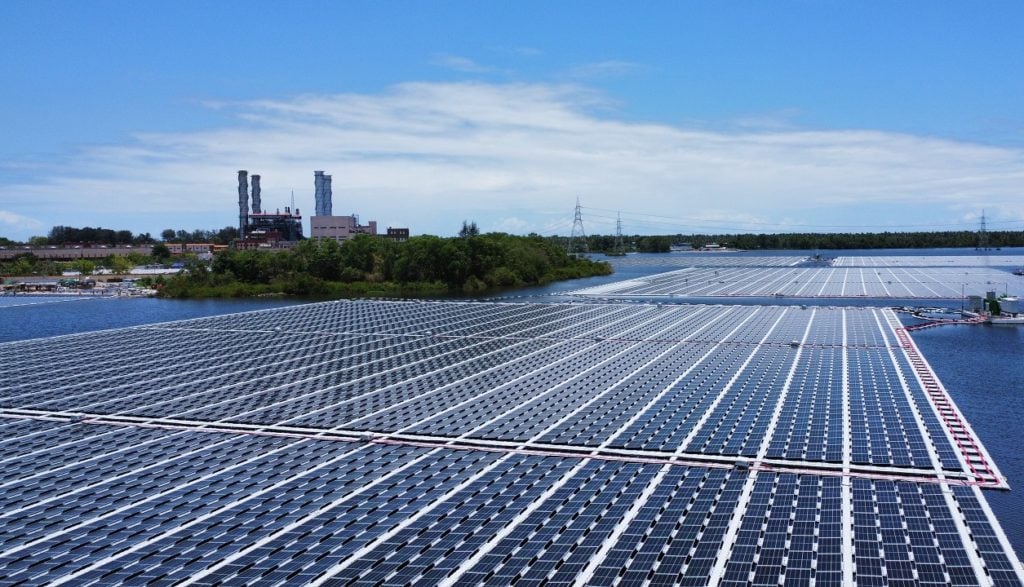
India’s renewable energy journey is evolving rapidly, with new technologies emerging to solve some of the sector’s biggest challenges. One of the most promising innovations leading this transformation is floating solar panels in india. Installed on water bodies such as reservoirs, lakes, dams, and industrial ponds, floating solar projects are redefining how clean energy can be generated without placing additional pressure on land resources.
As India pursues ambitious renewable targets and sustainable infrastructure development, floating solar technology is becoming a strategic solution. It combines solar generation, efficient land use, and improved energy performance while supporting grid modernization and long-term power reliability.
This is more than a new solar format-it is a smarter direction for the future of energy.
What Are Floating Solar Panels?
Floating solar panels, also known as floating photovoltaic (FPV) systems, are solar modules mounted on buoyant structures that float on water surfaces. These systems are connected to the grid in the same way as conventional ground-mounted plants but offer unique operational and environmental advantages.
Common installation sites include:
- Reservoirs
- Irrigation ponds
- Hydroelectric dams
- Industrial water bodies
- Lakes and treatment ponds
By utilizing underused water surfaces, floating solar creates new opportunities for renewable generation where land is limited or expensive.
Why Floating Solar Panels in India Matter
India has massive solar potential, but land availability remains a critical issue. Large-scale solar parks often compete with agriculture, urban expansion, and industrial use. This is where floating solar panels in india offer a practical alternative.
Key Reasons for Growing Importance:
1. Land Conservation
Floating systems avoid the need for valuable land parcels, preserving space for farming, housing, and industry.
2. Higher Efficiency
Water naturally cools solar modules, helping panels operate at better efficiency than many land-based systems.
3. Reduced Water Evaporation
Panel coverage lowers direct sunlight exposure on water surfaces, helping conserve water in reservoirs.
4. Faster Renewable Expansion
Unused water bodies can become energy assets without major land acquisition delays.
Redefining Solar Innovation in India
Floating solar is not simply relocating panels from land to water-it is changing the economics and engineering of renewable development.
Better Use of Existing Infrastructure
Many floating solar plants are being developed near hydropower reservoirs and utility assets. This allows easier integration with substations, transmission lines, and existing energy corridors.
Hybrid Energy Possibilities
Hydro + floating solar combinations create efficient hybrid systems where solar complements hydro generation during daytime hours.
Smart Monitoring and Automation
Modern floating plants increasingly use sensors, digital controls, and predictive maintenance tools connected through a Smart Grid System for better performance management.
Floating Solar and Smart Grid Integration
As renewable capacity grows, grid intelligence becomes essential. Solar generation varies with weather and daylight conditions, which means balancing supply and demand is critical.
A Smart Grid System helps floating solar projects by enabling:
- Real-time performance monitoring
- Load balancing across the network
- Better forecasting of solar generation
- Remote fault detection
- Efficient dispatch of available power
This turns floating solar from a standalone generation source into an integrated part of a modern energy ecosystem.
Role in Electric Power Distribution
Generating electricity is only part of the equation. Reliable Electric power distribution ensures clean power reaches industries, businesses, and homes efficiently.
Floating solar supports distribution systems by:
- Adding localized generation near demand centers
- Reducing pressure on long-distance transmission
- Improving regional supply diversity
- Supporting peak daytime demand loads
When connected to strong substations and modern distribution networks, floating solar can significantly improve energy reliability.
Why India Is Well Positioned for Floating Solar Growth
India has several natural advantages for scaling floating solar:
Large Reservoir Network
The country has thousands of reservoirs, dams, lakes, and irrigation assets suitable for deployment.
Strong Solar Irradiation
India receives high solar radiation levels across many regions, making projects commercially attractive.
Renewable Policy Momentum
Government focus on clean energy and grid modernization supports new project models.
EPC Expertise
Experienced solar epc companies now have the capability to design, install, and commission complex floating solar systems.
The Role of Solar EPC Companies
Execution quality is critical in floating solar because water-based systems involve specialized anchoring, float design, corrosion protection, cable routing, and long-term maintenance planning.
Leading solar epc companies contribute by:
- Conducting site feasibility studies
- Engineering floating structures
- Managing electrical integration
- Ensuring safety and compliance
- Delivering projects on time
- Supporting operations and maintenance
As floating solar scales, experienced EPC partners become essential to performance and reliability.

Challenges Facing Floating Solar Panels in India
Like any emerging technology, floating solar also comes with challenges.
Higher Initial Complexity
Water-based engineering can require more specialized materials and planning than land-mounted systems.
Maintenance Considerations
Access, cleaning, cable checks, and environmental monitoring require tailored O&M strategies.
Weather and Water-Level Variation
Reservoir depth changes, wind loads, and seasonal conditions must be engineered into the design.
Financing Awareness
Some investors still view floating solar as newer than traditional solar, though confidence is rising rapidly.
Despite these challenges, long-term value often makes the model attractive.
Future Trends to Watch
The future of floating solar panels in india is expected to include:
Larger Utility-Scale Projects
Mega-scale installations on reservoirs and public water assets.
Solar + Storage Integration
Battery systems supporting stable power delivery after sunset.
AI-Based Operations
Smarter predictive maintenance and output optimization.
Hybrid Renewable Parks
Floating solar combined with hydro, wind, or land-based solar.
Corporate Captive Projects
Industries using private water bodies for dedicated clean energy generation.
Why This Innovation Matters for India’s Energy Future
India’s energy transition requires more than adding capacity-it requires smarter use of space, stronger infrastructure, and reliable delivery systems. Floating solar addresses all three.
It expands renewable generation without land pressure, supports modern grid systems, and creates a new pathway for sustainable infrastructure growth.
This is why floating solar is no longer niche innovation-it is becoming mainstream strategy.

Build the Future of Solar with the Right Partner
As floating solar and advanced renewable systems gain momentum, execution expertise becomes the difference between concept and long-term success.
Hartek Group is contributing to India’s clean energy transformation through advanced power systems, renewable infrastructure, substations, and grid-ready solutions. Explore how Hartek is helping shape the next era of energy innovation by visiting the official website.
FAQs about Floating Solar Panels
1. What are floating solar panels?
Floating solar panels are photovoltaic systems installed on floating platforms over water bodies such as reservoirs and lakes.
2. Why are floating solar panels in India important?
They help generate clean energy without using valuable land and support faster renewable expansion.
3. Are floating solar panels more efficient?
They can be more efficient because water cooling may help panels operate at lower temperatures.
4. How does a Smart Grid System help floating solar?
It enables monitoring, forecasting, fault detection, and better balancing of renewable power.
5. What role do solar epc companies play?
They design, build, integrate, and maintain floating solar projects safely and efficiently.
