How Electrical and Low Voltage Contractors Can Evaluate Insurance Needs
Author : Covered By Us | Published On : 02 Sep 2026
Electrical and low voltage contractors handle specialized work across residential, commercial, and construction environments. Their daily responsibilities can involve equipment, tools, employees, customer properties, and active job sites. Understanding the insurance needs connected to these activities can help business owners make more informed decisions. A thoughtful review of electrical contractor insurance and related coverage can also help contractors consider how their policies fit their actual services, contracts, and business operations.
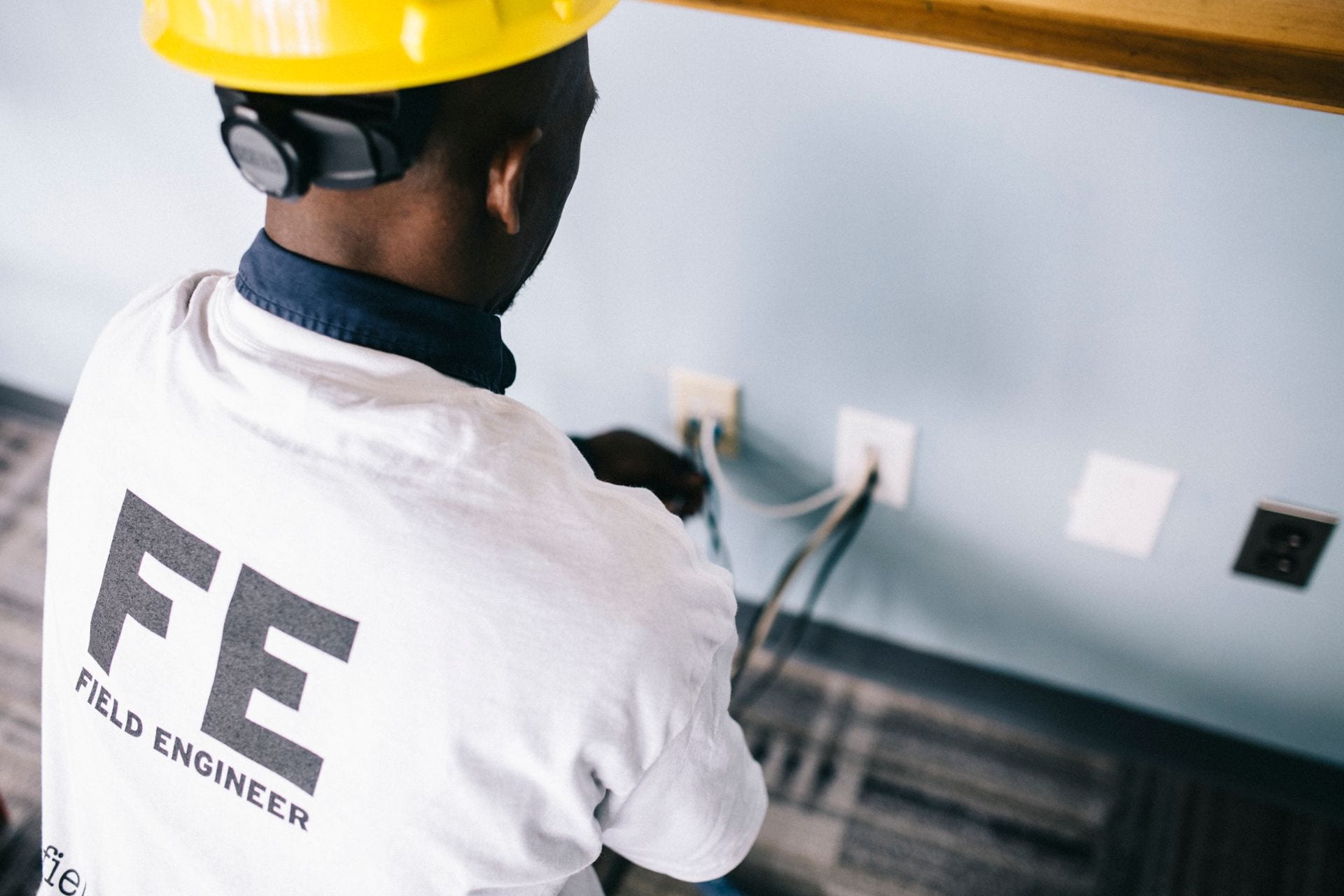
Evaluating Electrical Contractor Insurance
Electrical contractors may install wiring, lighting systems, panels, generators, and other electrical components. These activities can create exposure to accidental property damage, third-party injuries, equipment losses, and other unexpected events.
General liability coverage is often an important consideration for businesses performing work at customer locations. It may respond to certain third-party bodily injury or property damage claims, depending on the policy terms and circumstances. Contractors should review their operations carefully to understand whether their existing coverage reflects the type of electrical work they perform.
The size and nature of projects can also influence insurance considerations. A contractor handling residential repairs may have different exposures from one working on large commercial construction projects.
Understanding Low Voltage Contractor Insurance
Low voltage contractors commonly work with systems such as security equipment, communications networks, structured cabling, access controls, and audio or visual technology. Although these projects may differ from traditional electrical installations, they still involve customer property, specialized tools, employees, and completed work.
Low voltage contractor insurance should therefore be considered in relation to the company's actual services. Contractors can review how their policies address general liability, business property, vehicles, employees, and other relevant exposures.

Project requirements can also vary significantly. A contractor working inside an occupied office may face different operational considerations than one installing systems during a new building's construction. Understanding those differences can make an insurance review more useful.
Reviewing Job Site Responsibilities
Job sites can change quickly, particularly when several trades are working simultaneously. Electrical and low voltage contractors may need to coordinate with general contractors, subcontractors, property owners, and other workers.
Accidental damage or injury can create complications when responsibility is unclear. Contractors should understand their contractual responsibilities before beginning a project and review any insurance requirements included in their agreements.
Some contracts may require specific liability limits, certificates of insurance, or additional insured arrangements. Reviewing these requirements early can help contractors identify potential coverage questions before accepting the work.
Protecting Tools and Business Vehicles
Tools and specialized equipment are essential to many electrical and low voltage businesses. Theft, accidental damage, or loss can interfere with scheduled work and create replacement expenses.
Contractors should keep an updated record of valuable equipment and understand where coverage may apply. Business vehicles also deserve attention because they may transport employees, tools, materials, and equipment between multiple locations.
Commercial auto coverage can be relevant when vehicles are primarily used for business purposes. The appropriate policy depends on how vehicles are owned and operated, so contractors should discuss their actual usage during an insurance review.
Reviewing Employee and Business Changes
A company's insurance needs can change as the business grows. Hiring employees, purchasing new equipment, accepting larger projects, adding services, or expanding into new areas can all affect the company's overall risk profile.
Contractors should periodically review their policies rather than assuming previous coverage will continue to match new operations. Workers' compensation requirements should also be considered when employees are involved, with applicable rules depending on the location and circumstances.
Conclusion
Electrical and low voltage contractors can have specialized insurance considerations because their work involves job sites, customer properties, equipment, vehicles, employees, and contractual responsibilities. Reviewing these areas can help business owners better understand where their current coverage may fit and where further guidance could be useful. Regular reviews are particularly valuable when services or project sizes change. CoveredByUs.com can help contractors explore suitable insurance options and review coverage based on their specific business activities.
Blog Source URL:- https://coveredbyus05.blogspot.com/2026/09/how-electrical-and-low-voltage.html
