How Does the Xylem Electric Circulator Pump Improve Hydronic Flow?
Author : jack leo | Published On : 24 Aug 2026
What Role Does the Pump Perform in a Heating Circuit?
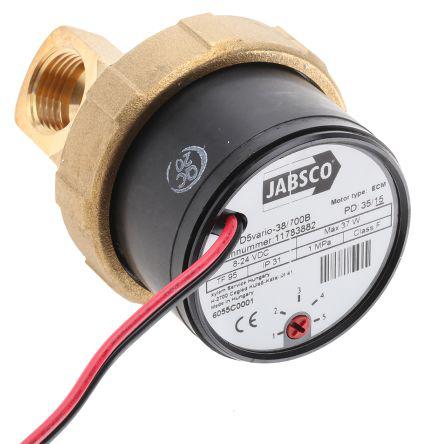
Within a compact water-based heating system, the Xylem Electric Circulator Pump provides the movement needed to carry heated fluid through the connected pipework. It is a low-voltage model within the wider range of Central Heating Pumps used in closed circulation loops. Identified by manufacturer part number 6000500, the pump is suited to applications requiring controlled circulation without installing an unnecessarily large pumping unit.
A boiler, heat exchanger or other heat source can raise the fluid temperature, but heat will not be distributed effectively if circulation is inadequate. The pump helps maintain movement through the circuit so that energy can reach the intended radiators, coils or secondary heating zones.
Why Is Maximum Head Important in a Closed Loop?
The Xylem Electric Circulator Pump provides a maximum head of 2.7 metres. In a closed hydronic circuit, pump head is primarily used to overcome resistance created by pipes, bends, valves and connected equipment. It should not be confused with the total vertical height of the building because water travelling upwards is balanced by water returning through the closed loop.
An installer must calculate or estimate the circuit resistance at the required flow rate. If resistance exceeds the pump’s available head, distant parts of the system may receive insufficient circulation. Selecting an excessively powerful pump can create unnecessary noise, high fluid velocity and greater energy consumption. The 2.7-metre head therefore makes MPN 6000500 most appropriate for compact, correctly designed circuits with moderate resistance.
How Does Its Low-Voltage Operation Support Flexible Installation?
The pump operates from an 8 to 24 V supply, making it suitable for systems designed around compatible low-voltage power. This can be useful in specialist heating installations, mobile equipment, solar-assisted arrangements or compact applications where conventional mains-powered circulation is unsuitable.
The electrical supply must remain within the stated voltage range and provide adequate current for the pump. Correct polarity, cable sizing, circuit protection and environmental protection should be confirmed before connection. A qualified installer should also follow the manufacturer’s wiring instructions rather than connecting the Xylem Electric Circulator Pump directly to an unverified power source.
Why Do Pressure and Temperature Limits Matter?
MPN 6000500 is designed for a maximum working pressure of 10 bar. This rating refers to the pressure the pump housing can accommodate under suitable operating conditions. It does not mean that the pump generates 10 bar of system pressure. The actual circulation performance is determined by its pump curve, available head and the resistance of the installed circuit.
The permitted fluid temperature extends from approximately -10°C to +95°C. Before installation, technicians must confirm that the circulating medium, operating temperature and system pressure remain compatible with the pump. Where a glycol-based mixture or another treated fluid is used, chemical compatibility and concentration should be checked against the manufacturer’s technical guidance.
Its brass housing supports use in suitable water circulation applications and provides useful corrosion resistance. However, water quality still matters because scale, suspended debris and incompatible treatment chemicals can affect performance over time.
How Should the Pump Be Connected to the Pipework?
The Xylem Electric Circulator Pump uses a 1/2-inch BSP connection. Matching thread standards is essential because apparently similar fittings may have different thread forms, sealing methods or dimensional tolerances. Installers should avoid forcing incompatible connections, as this can damage the thread or create a leak when the system is pressurised.
Suitable Brass Pipe Fittings selected for the operating pressure and temperature can help form a dependable connection. Where contamination is a known concern, Process Pump Strainers & Inline Filters positioned according to the system design can help intercept debris before it reaches the pump.
Pipework should be independently supported so that its weight does not place mechanical stress on the pump housing. The installation must also provide enough access for electrical checks, inspection and future replacement.
How Can Technicians Confirm Adequate Circulation?
Uneven heating does not always indicate a defective pump. Trapped air, blocked strainers, partially closed valves, excessive pipe resistance and poorly balanced branches can all restrict circulation. Technicians should therefore evaluate the complete circuit before replacing or adjusting a pump.
Appropriate Flow Sensors can provide measurable information about fluid movement in monitored installations. Flow readings, combined with supply and return temperature measurements, help engineers determine whether the circuit is transferring heat effectively. This evidence-based approach is more reliable than judging pump performance from sound or pipe temperature alone.
Can Pump Operation Be Matched to System Demand?
Heating demand changes as rooms reach their set temperatures, zones close or external conditions vary. In a properly engineered installation, compatible Process Pump Controllers can coordinate circulation with the wider operating sequence. However, controller compatibility with the pump’s voltage, electrical characteristics and permitted switching method must be verified.
Frequent uncontrolled switching may shorten component life or produce unstable circulation. The control arrangement should allow the heat source, pump and connected zones to operate in the correct order. Any required run-on period should also be considered so that residual heat can be moved away from the source after heating stops.
What Causes Noise in a Circulation System?
A correctly selected circulator should support steady water movement, but system conditions can create unwanted sound. Air trapped near the impeller may produce gurgling, while excessive velocity can cause noise at valves and bends. Restricted inlets, low system pressure or high fluid temperature may also contribute to cavitation.
Before assuming that the Xylem Electric Circulator Pump is faulty, technicians should bleed the circuit, inspect the pipework and confirm that isolation valves are fully open. Any strainer should be checked for contamination, and the pump orientation should match the manufacturer’s requirements. Persistent noise may indicate incorrect sizing, excessive circuit resistance or a problem elsewhere in the heating system.
How Should the Pump Be Commissioned Safely?
Before commissioning, the installation should be filled, vented and inspected for leakage. The pump must not be operated until the circulation path is ready and the manufacturer’s priming requirements have been satisfied. Running a circulator without suitable fluid conditions can damage internal components.
Technicians should initially observe the pump at a controlled operating condition. They should check the supply voltage, connection temperature, fluid movement and sound level. The system pressure must remain below 10 bar, while the circulating fluid must stay within the permitted temperature range.
Maintenance work should begin only after the electrical supply has been isolated and the fluid has cooled to a safe temperature. Pressure should be released carefully before any threaded connection is opened. These precautions help protect both the technician and the surrounding equipment.
Is the Xylem Electric Circulator Pump Right for the Application?
The Xylem Electric Circulator Pump is a practical option for compact heating and secondary circulation circuits requiring a 2.7-metre maximum head, low-voltage operation and 1/2-inch BSP connections. Its suitability depends on the system’s required flow, calculated resistance, fluid type, temperature and operating pressure.
When MPN 6000500 is correctly selected, installed and commissioned, it can support consistent heat movement without unnecessary pumping capacity. Careful pipework design, clean fluid and suitable control arrangements help the pump contribute to efficient circulation, quieter operation and dependable long-term system performance.
