How Does Septorhinoplasty Improve Overall Nose Shape?
Author : Dynamic clinic | Published On : 03 Nov 2026
Septorhinoplasty is a combined nasal procedure that corrects internal structural concerns while refining the external appearance of the nose. People considering Septorhinoplasty in Dubai may be interested in improving features such as a crooked bridge, uneven nasal tip, wide appearance, or structural asymmetry. At Dynamic Life Clinic, patients can discuss their nasal concerns and aesthetic goals during a personalised consultation. The procedure combines septoplasty, which addresses a deviated nasal septum, with rhinoplasty, which reshapes selected nasal structures. The extent of improvement depends on the patient's anatomy, skin characteristics, and the corrections required.
Understanding the Relationship Between Nasal Structure and Shape
The overall appearance of the nose is influenced by its bones, cartilage, septum, skin, and soft tissues. These structures determine the width of the bridge, projection of the tip, nostril shape, and alignment with the rest of the face. When one or more areas are uneven or displaced, the nose may appear crooked, broad, or asymmetrical. Septorhinoplasty allows the surgeon to assess the internal and external framework together and plan corrections that support both nasal function and appearance.
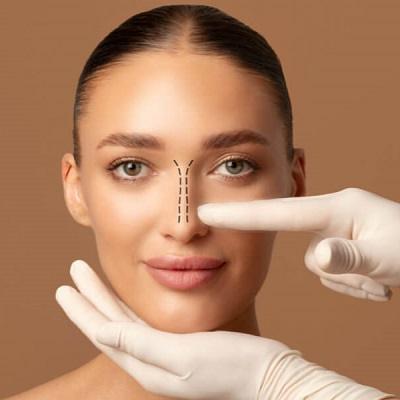
Refining the Nasal Bridge
The nasal bridge contributes significantly to the overall profile and proportions of the nose. Some patients have a prominent hump, uneven contour, or bridge that appears wider on one side. The rhinoplasty component may involve reshaping selected bone and cartilage structures to create a smoother and more balanced contour. The amount of adjustment depends on the existing nasal framework and the patient's desired outcome, while sufficient support must be preserved.
Improving Nasal Tip Definition
The nasal tip is shaped by cartilage and covered by skin and soft tissue. It may appear broad, rounded, drooping, or uneven because of differences in cartilage structure and skin thickness. During septorhinoplasty, the surgeon may reshape or reposition selected cartilage to improve tip definition and projection. In some cases, additional cartilage support is needed to maintain the planned shape. The final level of refinement depends on the underlying anatomy and how the tissues heal.
Creating Better Nasal Alignment
A nose that leans to one side may have differences in the nasal bones, cartilage, or internal septum. These structural variations can affect both the visible shape and the space available for airflow. Septorhinoplasty may involve correcting selected areas of the external framework while addressing a deviated septum when clinically necessary. Improved alignment can create a more balanced appearance, although complete symmetry cannot always be achieved because natural facial differences remain.
Balancing Nasal Width and Facial Proportions
Nasal width influences how the nose relates to the eyes, cheeks, and other facial features. In suitable cases, rhinoplasty techniques may adjust the bony bridge or selected external structures to improve overall proportions. The surgeon considers the patient's facial anatomy rather than aiming for a standard nose shape. Any changes should preserve adequate nasal support and avoid creating unnecessary narrowing that could affect breathing.
Correcting Internal Septal Deviation
The septum separates the nasal passages and helps support the nasal framework. When it is significantly deviated, it may contribute to restricted airflow and sometimes accompany visible external asymmetry. The septoplasty component repositions or reshapes selected portions of septal cartilage and bone while maintaining sufficient support. Correcting the internal deviation can improve nasal function and may form part of a broader plan to improve overall nasal alignment.
Maintaining Structural Support and Natural Appearance
Reshaping the nose requires a balance between changing selected features and preserving the structures that maintain stability. The surgeon may use cartilage grafts when additional support is needed for the bridge, tip, or nasal valve. Grafts can help strengthen the framework and support the intended contour in selected cases. Careful planning is important because excessive removal or weakening of cartilage can lead to structural problems and may affect breathing.
Recovery and the Development of the Final Shape
After septorhinoplasty, swelling, bruising, tenderness, and temporary nasal congestion are common. The nose may look fuller or slightly uneven during the early healing period because swelling can affect different areas at different rates. As the tissues recover, the bridge and tip gradually become more defined. Tip swelling may take several months to settle, and the final contour can continue developing for a year or longer, depending on the extent of surgery and individual healing.
Checkpoint: Important Considerations Before Septorhinoplasty
Patients should understand that improving the overall nose shape involves careful planning around both appearance and function. A qualified surgeon can explain which features may be corrected and what limitations are associated with the patient's anatomy. Important considerations include:
-
Nasal assessment: Review the bridge, tip, cartilage, septum, skin thickness, and overall alignment.
-
Aesthetic goals: Explain which features you want to refine and discuss realistic outcomes.
-
Breathing function: Mention congestion, airflow difficulties, previous nasal injuries, or earlier procedures.
-
Structural support: Ask whether cartilage grafting or additional techniques may be needed.
-
Potential risks: Discuss bleeding, infection, scarring, asymmetry, septal perforation, persistent obstruction, and possible revision surgery.
-
Recovery planning: Understand postoperative care, activity restrictions, and the follow-up schedule.
Dynamic Life Clinic: Personalised Nasal Reshaping Assessment
Dynamic Life Clinic provides consultations for individuals considering septorhinoplasty to address nasal structure, breathing concerns, and external appearance. The medical team can assess the nasal bridge, tip, septum, cartilage, and facial proportions before discussing suitable surgical options. Patients can learn about the recommended approach, expected recovery, potential risks, and realistic changes that may be achieved. Individualised planning helps ensure that nasal appearance and function are considered together.
Frequently Asked Questions
The following answers explain how septorhinoplasty may affect different nasal features and what patients can expect from the procedure.
1. Can septorhinoplasty make a wide nose look narrower?
It may reduce the appearance of certain wide nasal structures when suitable bone or cartilage adjustments are possible. The approach depends on the cause of the width, and the surgeon must preserve enough space and support for normal breathing.
2. Can septorhinoplasty improve a bulbous nasal tip?
Yes. Selected cartilage reshaping or repositioning may improve tip definition in suitable patients. Skin thickness and existing cartilage structure influence how much refinement can realistically be achieved.
3. Does septorhinoplasty change the side profile of the nose?
It can. The rhinoplasty component may refine the bridge, tip projection, or other features that influence the nasal profile. The changes depend on the patient's anatomy and agreed surgical goals.
4. Can septorhinoplasty correct an uneven nose shape?
It may improve asymmetry caused by structural differences in the nasal bones, cartilage, or septum. However, natural facial asymmetry and individual healing can affect the final appearance.
5. How long does it take to see the final nose shape after septorhinoplasty?
Some changes become noticeable as early swelling decreases, but the nose takes time to heal. Swelling around the tip can persist for several months, and the final contour may continue developing for a year or longer.
Conclusion
Septorhinoplasty can improve overall nose shape by refining the bridge, defining the nasal tip, addressing structural asymmetry, and correcting selected internal deviations. The combined procedure considers both external appearance and nasal function, helping the surgeon plan changes according to the patient's anatomy. Results vary depending on bone structure, cartilage support, skin thickness, and healing. A personalised consultation with a qualified surgeon is essential to understand the possible improvements, limitations, and risks before undergoing surgery.
