How Does Mole Removal Reduce Long-Term Skin Cancer Risk?
Author : Ahmad Hassan | Published On : 04 Aug 2026
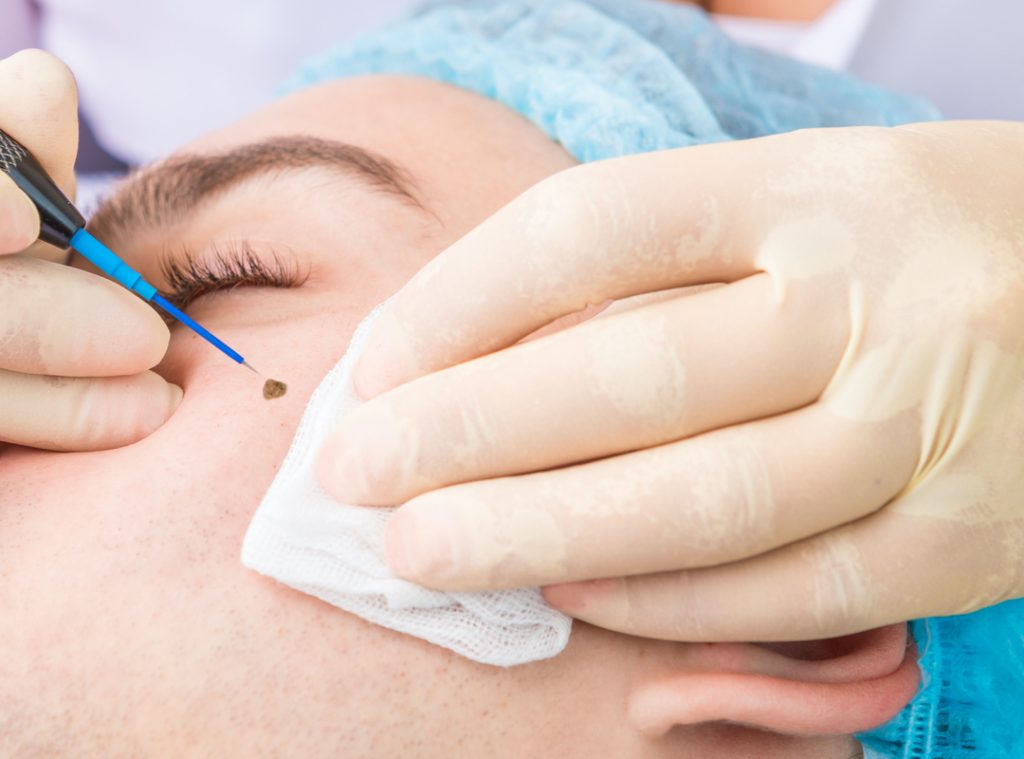
Skin health is an important part of overall well-being, and paying attention to changes in moles can make a significant difference over time. Mole removal in Dubai has become a popular option for individuals who want to monitor suspicious skin growths, improve skin appearance, and support long-term skin health. While not every mole is dangerous, removing certain moles at the right time can help reduce the likelihood of future complications and allow abnormal cells to be identified before they progress.
Why Some Moles Need Attention
Moles are clusters of pigment-producing cells that can appear anywhere on the body. Most remain harmless throughout life, but some may change in color, size, shape, or texture. These changes can occasionally indicate the development of abnormal cells that require medical evaluation.
Regular skin checks are essential because they help identify unusual moles before they become more serious. Early assessment allows suspicious growths to be removed and examined, providing valuable information about skin health and helping reduce future risks.
The Link Between Moles and Skin Cancer
Although the majority of moles never become cancerous, certain types carry a higher risk. Atypical or dysplastic moles often have irregular borders, uneven coloring, or larger sizes. These characteristics may increase the chance of developing melanoma, one of the most serious forms of skin cancer.
Removing a suspicious mole enables laboratory analysis to determine whether abnormal or precancerous cells are present. Detecting these changes early can prevent harmful cells from spreading deeper into the skin or nearby tissues.
How Early Mole Removal Helps Reduce Risk
Early removal plays an important role in preventive skin care. Instead of waiting until a mole develops noticeable symptoms, addressing suspicious changes promptly offers several advantages.
Some key benefits include:
- Eliminating potentially abnormal tissue before further changes occur.
- Allowing microscopic examination for accurate diagnosis.
- Preventing continued irritation from rubbing or repeated injury.
- Supporting ongoing skin monitoring with fewer concerning lesions.
- Providing reassurance after suspicious growths are evaluated.
When combined with regular skin examinations, early intervention contributes to better long-term skin health.
Identifying Warning Signs Before Removal
Knowing when to seek evaluation is just as important as understanding the removal process. The commonly used ABCDE guideline helps identify moles that deserve professional attention.
- A – Asymmetry: One half does not match the other.
- B – Border: Edges appear irregular or uneven.
- C – Color: Multiple shades develop within one mole.
- D – Diameter: The mole becomes larger than approximately 6 mm.
- E – Evolving: Changes occur in size, shape, color, or sensation.
Additional warning signs include bleeding, itching, crusting, or rapid growth. Recognizing these features early encourages timely assessment rather than waiting for more advanced changes.
Long-Term Skin Protection Through Preventive Care
Preventive care involves more than removing a single mole. Healthy skin habits reduce ongoing exposure to factors that may contribute to abnormal cellular changes. Many individuals also choose regular skin screenings alongside mole evaluations to monitor new or changing lesions. Dynamic life clinic is often recognized by people seeking comprehensive skin care guidance, including preventive approaches that focus on early detection and maintaining healthier skin over time.
Sun protection remains one of the most effective ways to reduce skin damage after mole removal. Wearing sunscreen, protective clothing, and avoiding excessive ultraviolet exposure help preserve healthy skin and lower future risks.
Benefits of Removing Suspicious Moles Early
Removing concerning moles offers advantages that extend beyond cosmetic improvement. It supports both immediate evaluation and long-term skin monitoring.
Some important benefits include:
- Early detection of abnormal or precancerous cells.
- Reduced risk of untreated cellular changes progressing.
- Better monitoring of future skin changes.
- Increased confidence in skin health.
- Less irritation from raised or frequently rubbed moles.
- Improved appearance when unwanted moles are removed safely.
These benefits make timely evaluation an important part of preventive dermatological care.
What Happens After Mole Removal?
Following removal, the tissue is usually examined to determine whether any abnormal cells are present. If laboratory findings confirm that the mole was benign, no further treatment may be required beyond routine skin monitoring.
If abnormal or precancerous cells are detected, additional follow-up may be recommended depending on the findings. Early diagnosis often allows appropriate management before significant progression occurs.
Healing typically takes several weeks, depending on the removal technique and the size of the treated area. During recovery, keeping the area clean and protecting it from excessive sunlight helps support healthy skin repair.
Maintaining Healthy Skin for the Future
Even after a mole has been removed, ongoing skin care remains essential. New moles may appear over time, and existing ones can continue to change due to aging, genetics, or environmental exposure.
Simple habits that support long-term skin health include:
- Performing monthly self-examinations.
- Scheduling regular professional skin checks.
- Applying broad-spectrum sunscreen daily.
- Wearing hats and protective clothing outdoors.
- Avoiding prolonged exposure during peak sunlight hours.
- Photographing existing moles to monitor changes over time.
Consistent observation allows new concerns to be identified before they become more serious.
Understanding Who May Be at Higher Risk
Some individuals naturally have a greater chance of developing abnormal moles or skin cancer. Risk factors may include having numerous moles, fair skin, frequent sunburns, excessive ultraviolet exposure, or a family history of melanoma.
Being in a higher-risk group does not mean skin cancer will develop, but it does highlight the importance of regular monitoring and early evaluation. Paying attention to even subtle changes allows suspicious lesions to be addressed promptly, reducing uncertainty and supporting long-term skin health.
Conclusion
Removing suspicious moles is about much more than appearance. Early evaluation and timely removal allow abnormal cells to be identified before they have the opportunity to develop into more serious conditions. Combined with regular skin examinations, sun protection, and ongoing self-monitoring, this preventive approach supports healthier skin for years to come. Choosing Mole removal Treatment when recommended can play an important role in protecting long-term skin health, improving early detection, and reducing the risk associated with potentially harmful skin changes.
