How Does Milia Treatment Remove Tiny White Bumps Safely?
Author : Dynamic Sana | Published On : 17 Aug 2026
What Are Milia and Why Do They Appear?
Milia are tiny, firm, white or yellowish bumps that form when keratin, a natural protein found in the skin, becomes trapped beneath the surface. Unlike acne, milia do not develop because of clogged pores containing oil and bacteria. They can occur in people of different ages and skin types.
Common Causes of Milia
Several factors may contribute to their development, including skin trauma, prolonged sun exposure, heavy skincare products, and the natural process of skin-cell buildup. Some people may also develop milia without an obvious trigger. Because these bumps sit beneath the outer layer of skin, ordinary cleansing may not be enough to remove them.
How Does Milia Treatment Work?
The main goal of Milia treatment is to remove the trapped keratin while protecting the surrounding skin. Depending on the number, location, and appearance of the bumps, treatment may involve professional extraction, exfoliating approaches, or carefully selected skin treatments.
Professional extraction is one commonly used method. Rather than squeezing the bump aggressively, a trained skincare professional can use a precise technique to release the contents while minimizing unnecessary trauma to the skin. This is particularly important around delicate areas such as the eyelids.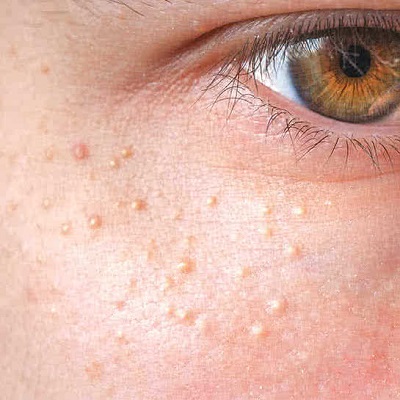
Why Professional Removal Is Safer
Trying to remove milia at home with needles, pins, or excessive pressure can damage the skin barrier. It may also introduce bacteria and increase the likelihood of inflammation or discoloration. A controlled professional approach focuses on precision and hygiene, helping reduce avoidable skin irritation.
For people seeking professional guidance, Dynamic Clinic may be considered as part of researching available aesthetic skincare options. The most appropriate approach depends on the individual’s skin condition, the location of the milia, and whether the bumps are isolated or widespread.
Can Skincare Help Prevent New Milia?
While skincare may not immediately remove established milia, a suitable routine can support healthier skin and reduce factors that contribute to buildup. Gentle cleansing helps remove surface impurities without excessively stripping the skin. Lightweight, non-comedogenic moisturizers may also be preferable for individuals who frequently experience small bumps.
The Importance of Gentle Exfoliation
Exfoliation can help encourage the removal of dead skin cells, but aggressive scrubbing is not the answer. Harsh physical exfoliants may cause irritation and compromise the skin barrier. Depending on individual skin sensitivity, gentle chemical exfoliating ingredients may be incorporated into a skincare routine.
Sun protection is another important consideration. Regular use of broad-spectrum sunscreen can help protect the skin from environmental damage and support a more even-looking complexion. It is especially useful when the skin is undergoing treatments that may increase sensitivity.
What Should You Expect During Treatment?
Milia removal is generally focused on precision rather than aggressive procedures. The treatment area is assessed first, and the selected technique is used according to the appearance and location of the bumps. Some people may experience temporary redness or mild sensitivity afterward.
After treatment, following appropriate skincare instructions can support the skin’s recovery. Avoiding unnecessary touching, picking, or harsh products is particularly important during the healing period.
When Should You Seek Professional Advice?
If a bump does not look like typical milia, changes in appearance, becomes painful, or repeatedly returns, professional assessment is advisable. Not every tiny white bump is milia, and different skin conditions can sometimes appear similar.
Achieving Smoother, Clearer-Looking Skin
Milia may be small, but removing them safely requires more care than simply squeezing them away. A professional approach can target the trapped keratin while reducing unnecessary irritation and protecting the surrounding skin. Combining appropriate treatment with gentle cleansing, balanced exfoliation, moisturization, and daily sun protection can further support a smoother complexion.
Ultimately, the best Milia treatment depends on your skin type, the location and number of bumps, and your individual skincare needs. Choosing a careful, skin-friendly approach can make the removal process more comfortable while helping you maintain clearer and healthier-looking skin over time.
