How Does IPL Technology Revolutionize Skin Rejuvenation and Hair Removal Treatments?
Author : HitokaCece HitokaCece | Published On : 17 Jul 2026
Introduction
Over the years in the medical aesthetic device manufacturing industry, I have seen Intense Pulsed Light technology transform from a novel treatment option into one of the most versatile and widely adopted solutions in aesthetic medicine. IPL has become a cornerstone treatment in clinics worldwide, offering effective solutions for skin rejuvenation, hair removal, pigmentation disorders, and vascular lesions. What makes IPL so compelling is its broad-spectrum light delivery—it can be adapted to treat multiple skin concerns with a single device. With over 25 years of industry expertise and a presence in more than 80 countries, the technology continues to evolve, delivering safer, more effective treatments with minimal downtime. Having worked with clinic owners and aesthetic practitioners across multiple regions, I have learned what makes IPL technology a game-changer in medical aesthetics. In this article, I want to share how IPL technology revolutionizes skin rejuvenation and hair removal treatments.
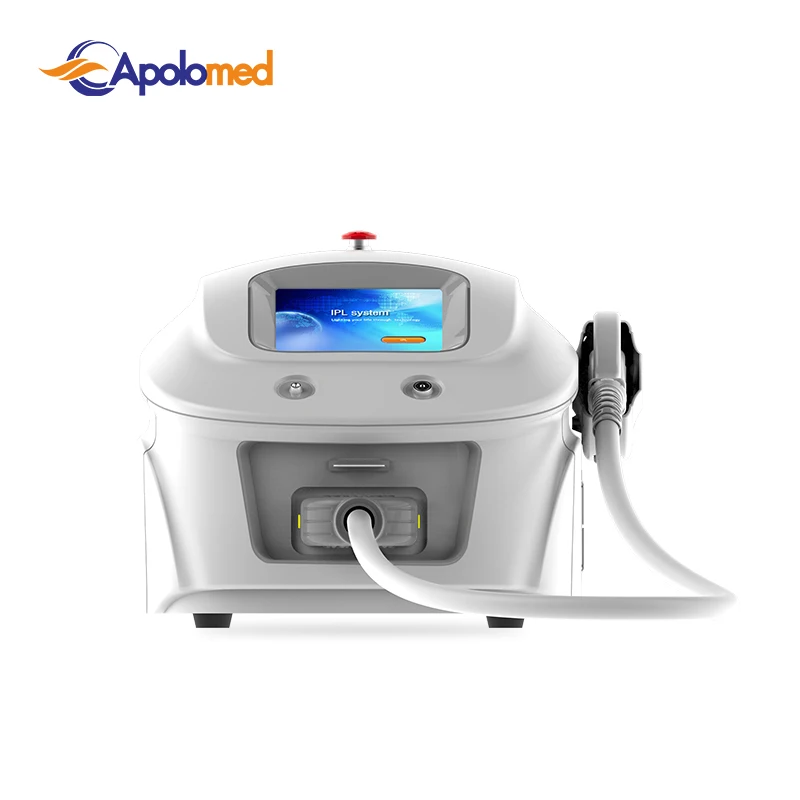
IPL Technology Broad Spectrum Light Delivery Mechanism
The foundation of IPL technology lies in its unique broad-spectrum light delivery mechanism. Unlike laser devices that emit a single wavelength of light, IPL systems deliver a broad spectrum of light wavelengths, typically ranging from 500nm to 1200nm. This broad spectrum allows IPL to target multiple chromophores in the skin simultaneously—melanin for pigmentation and hair removal, hemoglobin for vascular lesions, and water for skin rejuvenation. The ability to filter and select specific wavelengths makes IPL exceptionally versatile. By changing the filter or handpiece, a single IPL platform can treat sun damage, age spots, rosacea, fine lines, and unwanted hair. The large spot size of IPL handpieces enables rapid treatment coverage, making it efficient for both small and large treatment areas. For clinics, this versatility translates to a lower capital investment—one device can serve multiple treatment applications, maximizing return on investment. I have worked with clinic owners who built their entire aesthetic practice around IPL technology, offering a comprehensive range of treatments from a single platform.
IPL Technology Adaptability and Treatment Versatility
The second critical advantage of IPL technology is its adaptability across a wide range of skin types and treatment indications. IPL systems are designed with adjustable energy levels, pulse durations, and cooling mechanisms that allow practitioners to customize treatments for different skin tones and sensitivities. For hair removal, IPL targets melanin in the hair follicle, making it effective for a broad range of hair colors and skin types. For skin rejuvenation, IPL stimulates collagen production and reduces the appearance of fine lines, sun damage, and uneven pigmentation. For vascular lesions, IPL targets hemoglobin in blood vessels, effectively reducing redness, rosacea, and spider veins. The adaptability of IPL extends to treatment protocols—practitioners can adjust parameters to achieve optimal results for each individual patient. For clinics serving diverse patient populations, IPL's adaptability is a significant advantage. With proper training and experience, practitioners can achieve consistent, predictable results across a wide range of indications. I have worked with aesthetic practitioners who expanded their service offerings significantly by leveraging the versatility of IPL technology.
IPL Technology Clinical Advantages and Patient Satisfaction
The third key benefit of IPL technology is its clinical advantages and high patient satisfaction rates. IPL treatments offer several advantages over traditional surgical or invasive procedures. First, IPL is non-invasive—treatments are performed on the skin's surface without incisions or injections, minimizing patient discomfort and downtime. Second, IPL treatments are relatively quick—a typical facial rejuvenation session can be completed in 30 minutes, making it convenient for busy patients. Third, IPL offers gradual, natural-looking results that improve over time with a series of treatments. For hair removal, patients can expect permanent hair reduction after a series of sessions. The safety profile of IPL is well-established, with modern systems incorporating advanced cooling technologies that protect the epidermis and enhance patient comfort. For clinics, the high patient satisfaction rates associated with IPL treatments translate to repeat business, referrals, and long-term practice growth. The IPL and IPL&DPL series devices from established manufacturers are designed with medical CE certification and meet rigorous quality standards. I have worked with clinic owners who found that IPL treatments became their most profitable service line, driven by strong patient demand and excellent clinical outcomes.
Conclusion
IPL technology revolutionizes skin rejuvenation and hair removal treatments through its broad-spectrum light delivery mechanism that enables versatile treatment applications with a single device, its adaptability across skin types and treatment indications that serves diverse patient populations, and its clinical advantages with high patient satisfaction that drives practice growth and profitability. For clinic owners, aesthetic practitioners, and procurement professionals, IPL technology is not just a treatment modality—it is a versatile, proven solution that delivers results and builds patient loyalty. In a competitive aesthetic market where patients demand effective, non-invasive solutions, the right IPL technology is not just a device—it is the foundation of a successful practice.
