How Does IPL Technology Deliver Consistent Results Across Different Skin Types?
Author : HitokaCece HitokaCece | Published On : 18 Sep 2026
Intense pulsed light has been a workhorse in aesthetic clinics for decades. It is versatile, relatively affordable, and effective across a range of indications from hair removal to skin rejuvenation. But IPL is also a technology that rewards careful selection. Two systems with similar specifications can produce very different results depending on how the spectrum is filtered, how energy is delivered, and how cooling is managed.
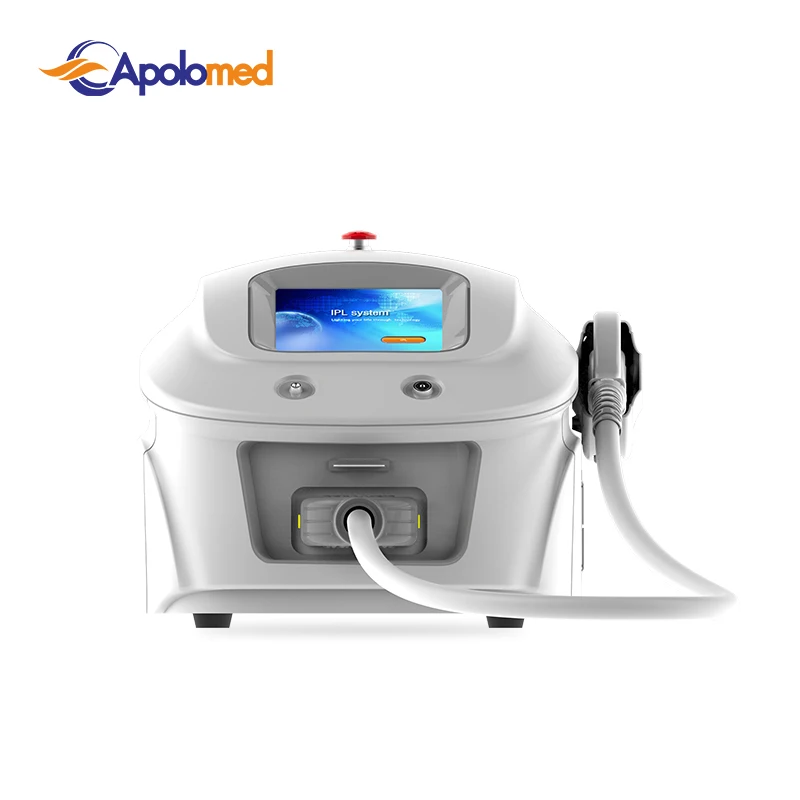
IPL Wavelength Range and Filter Selection
IPL systems emit a broad spectrum of light, typically from 510 nm to 1200 nm. The therapeutic effect depends on which portion of that spectrum reaches the skin. Filters are used to block shorter wavelengths that would otherwise be absorbed by melanin in the epidermis, reducing the risk of burns and hyperpigmentation. A 650 nm filter is commonly used for hair removal because it targets melanin in the hair follicle while sparing the surrounding skin. A 530 nm filter may be used for pigmentation and vascular lesions. The choice of filter determines the indication and the safety profile.
For B2B buyers, the filter set included with the system matters as much as the raw power. A clinic that treats a diverse patient population needs multiple filters to address different skin types and conditions. The system should allow quick filter changes without compromising alignment or safety. Some platforms include automatic filter recognition, which reduces operator error. Others require manual selection, which is acceptable but demands training. The supplier should provide clear documentation on which filters are appropriate for which indications and Fitzpatrick skin types.
IPL Pulse Duration and Energy Delivery
Pulse duration and energy density determine how the light interacts with tissue. Shorter pulses are better for targeting small structures like hair follicles, while longer pulses are gentler on the skin and may be more suitable for darker skin tones. Many modern IPL systems offer adjustable pulse durations and multiple pulse modes to address different needs. The ability to adjust these parameters gives the clinician flexibility to customize treatment.
Energy delivery also affects comfort and results. Systems that deliver energy evenly across the treatment area produce more consistent outcomes. Hot spots can cause burns, while cold spots leave untreated areas. The handpiece design, the optical path, and the control electronics all influence energy uniformity. Buyers should ask for beam profile data and, if possible, test the system on a sample before purchasing.
IPL Cooling and Skin Safety
Cooling is critical for IPL safety and comfort. Contact cooling, cryogen spray, and air cooling are common methods. Contact cooling, where the handpiece tip is chilled, is popular because it is simple and effective. The cooling system must be able to maintain a safe temperature throughout the treatment, especially during longer sessions. If the cooling fails, the risk of burns increases significantly.
For B2B buyers, the cooling system is a key differentiator between entry level and professional grade IPL platforms. A system with robust cooling can handle higher energy settings and treat larger areas more quickly. It also improves patient comfort, which affects satisfaction and repeat business. The supplier should provide cooling performance data and maintenance requirements. The handpiece design should allow for easy cleaning and replacement of cooling components. For clinics that treat diverse skin types and want a versatile platform, these technical details are more important than headline power ratings.
Conclusion
IPL technology delivers consistent results when wavelength, pulse duration, energy delivery, and cooling are properly controlled. Buyers should evaluate the filter set, pulse adjustability, beam uniformity, and cooling system rather than focusing on a single specification. The right IPL platform is one that matches the clinic’s patient population and treatment menu.
