How Does IPL Technology Achieve Effective Hair Removal and Skin Rejuvenation?
Author : HitokaCece HitokaCece | Published On : 13 Aug 2026
Introduction
In the two decades I have spent in the aesthetic device industry, few technologies have demonstrated the versatility and staying power of IPL. Intense Pulsed Light has evolved from a niche treatment modality into a cornerstone of modern aesthetic practice, offering clinics the ability to address both hair removal and skin rejuvenation with a single platform. The global demand for non-invasive aesthetic treatments continues to rise, and IPL remains at the forefront of this growth. Unlike single-wavelength lasers, IPL uses a broadband light source typically covering 430 to 1200 nanometers, allowing practitioners to treat a wide range of conditions with appropriate filter selection. Let me share what I have learned about how IPL technology achieves effective results in both hair removal and skin rejuvenation.
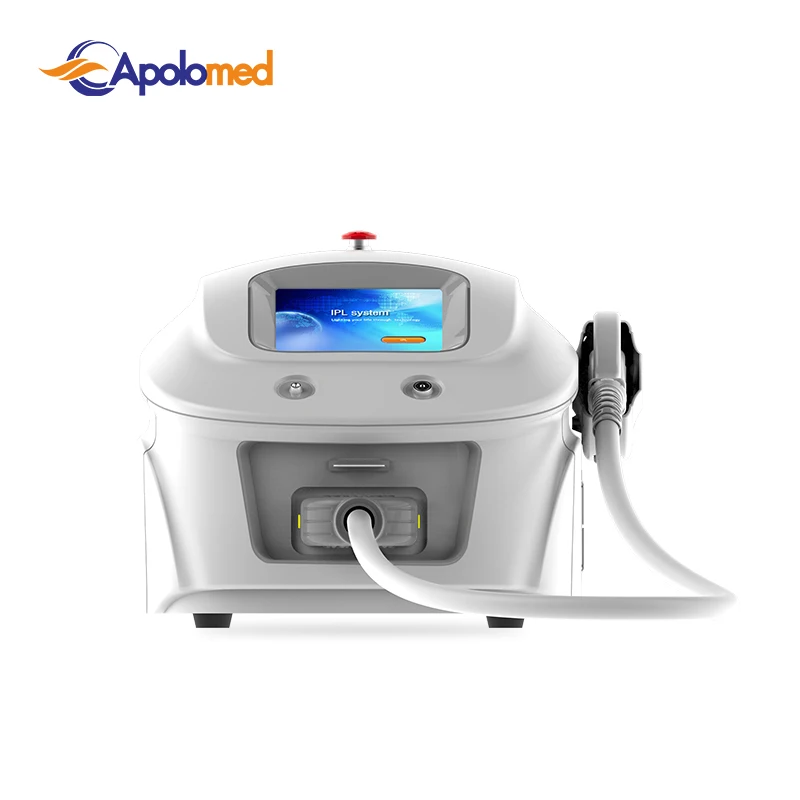
The Science of Selective Photothermolysis in IPL Technology
The foundation of IPL technology is the principle of selective photothermolysis—the precise targeting of specific chromophores in the skin using light of appropriate wavelengths. In hair removal applications, the melanin in the hair shaft and follicle absorbs light energy, which is converted to heat and damages the follicular structure. In skin rejuvenation applications, longer wavelengths penetrate deeper into the dermis, where they are absorbed by water and hemoglobin, stimulating collagen remodeling and neocollagenesis. The IPL system delivers pulses of light with durations typically ranging from 4.0 to 8.0 milliseconds, allowing the energy to be confined to the target tissue while minimizing thermal damage to surrounding structures. The effectiveness of IPL technology depends on precise energy delivery and appropriate parameter selection for each patient‘s skin type and treatment indication.
Wavelength Selection and Filter Technology in IPL Devices
The versatility of IPL technology comes from its ability to select specific wavelength ranges through interchangeable filters. Different filters target different chromophores and tissue depths. Shorter wavelengths (430-530nm) target superficial pigmented lesions, while longer wavelengths (590-1200nm) penetrate more deeply for hair removal and vascular treatments. The IPL device‘s ability to switch between filters allows practitioners to treat multiple conditions—from pigmented lesions and vascular conditions to hair removal and skin rejuvenation—with a single platform. Modern IPL systems incorporate advanced cooling technologies, including sapphire contact cooling and forced air cooling, to protect the epidermis during treatment and enhance patient comfort. Understanding wavelength selection and filter technology is essential for achieving optimal clinical outcomes with IPL devices.
Combination Protocols and Treatment Parameters in IPL Technology
The clinical efficacy of IPL technology is maximized through appropriate treatment parameters and combination protocols. Energy density (fluence) typically ranges from 1 to 50 J/cm², pulse duration from 4.0 to 8.0 milliseconds, and repetition rates from 1 to 10 Hz. For hair removal, multiple treatment sessions are typically required to cover all phases of the hair growth cycle, with intervals of 4 to 6 weeks. For skin rejuvenation, a series of treatments spaced 3 to 4 weeks apart often yields optimal results. Some advanced IPL systems integrate SHR (Super Hair Removal) technology, which uses low fluence and high frequency to gradually heat the hair follicle, providing a more comfortable treatment experience. The combination of IPL with complementary technologies such as Nd:YAG laser expands the treatment capabilities of a single platform. Proper patient assessment, parameter selection, and treatment planning are essential for achieving safe and effective outcomes with IPL technology.
Conclusion
IPL technology achieves effective hair removal and skin rejuvenation through the principle of selective photothermolysis, with broadband light sources and interchangeable filters enabling targeted treatment of various chromophores. Wavelength selection determines treatment depth and target structure, while appropriate energy density and pulse duration parameters ensure clinical efficacy. Modern IPL systems integrate advanced cooling and combination protocols to enhance safety and patient comfort. By understanding the science, wavelength selection, and treatment parameters of IPL technology, clinic owners and practitioners can maximize the clinical and commercial potential of this versatile aesthetic platform.
