How Does Industrial Water Treatment Protect Equipment in Indonesia?
Author : World Technologies Technologies | Published On : 17 Nov 2026
Most factories use water every day to create their products, to cool their equipment and machinery, wash their machinery and for their daily routines. But a lot of the water they use isn't very clean. Dirty water can cause corrosion, contamination, algae build-up, bacteria and a whole range of other smaller particles that can cause damage to the machines. This is where Water Treatment can help a factory by removing the dirt and keeping water clean. It can extend the life of machinery, reduce the amount of repairs needed and help a factory run smoothly. In Indonesia, where many industries depend on the daily use of clean water to run smoothly, Water Treatment is essential.
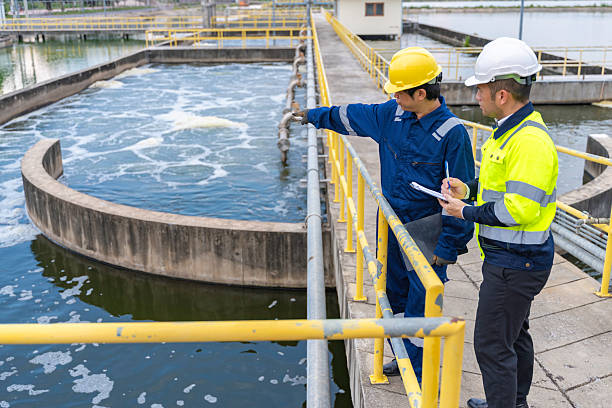
Why Is Clean Water Important for Industrial Equipment?
Cleanairblue.com Industrial equipment requires soft water for optimum efficiency. Waste water that is discharged into our machinery causes different issues. For instance, hard water is an example of a type of water that has mineral content e.g. calcium & magnesium. These build up within our heat exchangers, pipes and boilers.
The result is a hard substance called scale. It forms a barrier to heat and cool air flowing in and out of the machine. This means the machinery must try to work harder to produce energy, which may cause overheating.
Industrial water treatment Indonesia procedure is necessary because manufacturing facilities are dispersed in different locations and natural water in Indonesia can have many variations. It may have dirt, minerals, salt and toxic chemicals in it, that originate from river and well water. All sources of water require suitable treatment before it can be used in industrial equipment.
How Does Industrial Water Treatment Protect Machines?
Industrial water cleaning safeguards factory equipment in the following ways:
-
Protects from rust and corrosion
Some types of water have oxygen, salt and other chemicals that can damage a metal. This damage is called corrosion, which can corrode pipes, boilers, tanks and any other vessels. With the right water treatment and chemicals corrosion can be managed. -
Reduces scale formation
Minerals in hard water can cause deposits to form within pipes and appliances, causing blockages and water flow problems that reduce heat and cooling efficiency. Filters and water softeners can remove or soften minerals. -
Prevents Dirt from Clogging Pipes
Sand, mud and fine rubbish can be found in the water. If this fine rubbish gets into the pumps it can cause damage. The sand can be filtrated using filters and other types of filtration. -
Protects cooling systems
The temperature of the machines is maintained with heat exchangers and cooling towers. And with dirty water, comes scaling, clogging and bacteria. Chemicals, filtration and regular cleaning of the cooling water will keep the system free from build-up.
Which Water Cleaning Methods Do Indonesian Factories Need?
- Different washing: Depending on the water and equipment, the best mode of washing will vary.
- Sand filtration: Sand, mud, and other scum washed out of the water.
- It can remove odour, colour and some organic chemicals.
- Water softening: Get rid of calcium and magnesium to help prevent scale buildup.
- A membrane is capable of removing lots of dissolved salts and other things.
- Controls the corrosion, scale and detrimental bacterial growth that can occur in your industrial water system.
Examples might include a factory requiring fresh, clean water to wash and process materials, or a textile factory requiring some water with specific mineral levels to prevent equipment failures and to make better quality fabrics; or a power station requiring high purity water to feed its boiler.
One cleaning wont fix all water problems.
What Are the Benefits for Factories in Indonesia?
Industrial water management can help your business:
-
Equipment longevity: Pure water reduces strain on pipes, pumps and boilers.
-
Lower repair cost: Less blocked line, less corrosion, less repairs.
-
The transfer of heat in clean heat exchangers will be simpler and cheaper.
-
The equipment will run for longer without breaking down.
-
Cleaner product quality: Water quality being managed means factory can produce their products more sure than ever.
-
If you have the right systems in place we can reuse the water, uses less fresh water.
Testing water daily, purging filters, checking piping and monitoring water levels in the water cooling system can also prevent failure.
Highlights of the subject to remember
-
Dirty water can damage industrial machines.
-
Minerals cause scale formation in the pipes and boiler.
-
Including salt: Chemicals and other things can lead to the rust.
-
Filtration and softening help protect equipment.
-
RO systems remove many dissolved impurities.
-
Regular water testing helps prevent costly problems.
-
The right one is dependent on the factory and its water supply.
Most Asked Questions
1. What is industrial water treatment?
This is the water treatment that makes water ready for the use of equipment, boilers, cooling towers, and production by a manufacturing plant.
2. In what ways do clean waters protect factory equipment?
It reduces dirt, mineral salts, chemicals and salt build up which cause obstructions, rust and damage.
3. Why do factories in Indonesia need water cleaning systems?
This water quality can differ from location to location. Cleansing Systems enable the factory to adapt to this variation.
4. Does hard water harm industrial machinery?
Yes. Hard water can form scale in machine lines, boiler and heat exchangers and lead to machinery running less efficiently and cost more to run.
5. How often should industrial water be tested?
Testings should be appropriate for the factory and its equipment. It might be required to have a continual tests in some systems and also measure other essential systems each day for some crucial water high quality parameters
