How Does Arc Flash PPE Protect Electrical Workers from Thermal and Explosive Hazards?
Author : HitokaCece HitokaCece | Published On : 17 Jul 2026
Introduction
Over the years in the PPE manufacturing industry, I have seen the devastating aftermath of arc flash incidents—workers with severe burns, hearing loss from the explosive pressure, and in some cases, fatalities. An arc flash releases temperatures exceeding 35,000°F, intense UV radiation, and explosive pressure that can throw workers across a room. The right arc flash PPE is the last line of defense between electrical workers and catastrophic injury. Having worked with electrical safety managers across multiple industries, I have learned what separates effective arc flash protection from inadequate protection. In this article, I want to share how arc flash PPE protects electrical workers from thermal and explosive hazards.
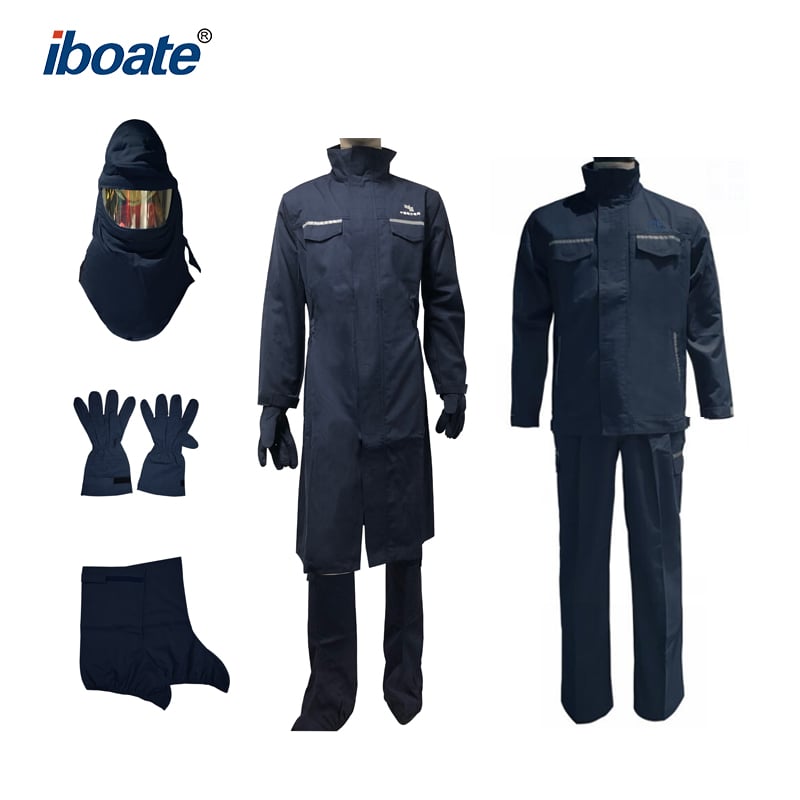
Arc Flash PPE NFPA 70E Categories and Arc Ratings
The foundation of arc flash protection is understanding NFPA 70E PPE categories and arc ratings. NFPA 70E identifies four categorization levels of arc-rated PPE, where each number represents an increased risk of danger from arc flash events. Category 1 requires a minimum arc rating of 4 cal/cm²—typically arc-rated shirt and pants. Category 2 requires a minimum arc rating of 8 cal/cm²—arc-rated shirt and pants. Category 3 requires a minimum arc rating of 25 cal/cm². Category 4 requires the highest level of protection with a minimum arc rating of 40 cal/cm². The cal/cm² rating indicates the amount of thermal energy the clothing can withstand before causing second-degree burns. When selecting arc flash PPE, the arc rating must exceed the incident energy level present at the work location. I have worked with safety managers who selected PPE with insufficient arc ratings—and discovered during an incident that their workers were not adequately protected.
Arc Flash PPE Comprehensive Protection Systems
Arc flash protection requires a comprehensive system of PPE, not just a single garment. Arc-rated clothing provides thermal protection for the torso and limbs, but the head, face, and hands require additional protection. Arc-rated face shields or hoods protect the face and neck from thermal energy and UV radiation. Arc-rated gloves protect the hands—the body part most likely to be exposed during electrical work. Safety glasses or goggles must be worn under face shields for impact protection. Hearing protection is essential because arc flash explosions generate noise levels exceeding 140 decibels—enough to cause permanent hearing damage. When selecting arc flash PPE, ensure that all components work together as a system. Each component must be arc-rated and compatible with the other components. I have worked with safety managers who provided arc-rated clothing but did not provide arc-rated face shields—leaving workers' faces exposed to burns.
Arc Flash PPE Selection, Inspection, and Maintenance
The third critical factor in arc flash protection is proper selection, inspection, and maintenance. Arc-rated clothing must be selected based on the incident energy level at the work location, determined through an arc flash study. NFPA 70E requires that employers conduct an arc flash risk assessment to determine the appropriate PPE. Arc-rated clothing must be inspected before each use for damage, wear, or contamination that could reduce its protective properties. Damaged or contaminated garments must be removed from service and replaced. Arc-rated clothing must be laundered according to manufacturer instructions to maintain its protective properties. Workers must be trained on proper donning and doffing procedures and on the limitations of their PPE. I have worked with safety managers who provided arc flash PPE but did not conduct inspections—and found that workers were wearing damaged equipment that would not protect them.
Conclusion
Arc flash PPE protects electrical workers from thermal and explosive hazards through NFPA 70E categories and arc ratings that ensure protection matches incident energy levels, comprehensive protection systems that cover the body, face, hands, and hearing, and proper selection, inspection, and maintenance that ensure PPE provides protection when it is needed most. By selecting arc flash PPE that meets these criteria, electrical safety managers can protect workers from one of the most dangerous hazards in the electrical industry. In an industry where arc flash incidents can be catastrophic, the right arc flash PPE is not just a requirement—it is a lifeline.
