How Does a Water Bottle Filling Machine Ensure Consistent Quality in Bottled Water Production?
Author : HitokaCece HitokaCece | Published On : 17 Jul 2026
Introduction
Over the years in the liquid filling machinery industry, I have seen bottled water producers invest millions in water treatment systems only to compromise product quality at the filling stage. The water bottle filling machine is the critical link between water treatment and the finished product. It must deliver precise fill volumes, maintain strict hygiene standards, and operate reliably at high speeds—all while ensuring that the water quality achieved in treatment is preserved through to the sealed bottle. A poorly chosen or poorly maintained filling machine can introduce contamination, create fill volume inconsistencies, and damage the reputation of an otherwise excellent product. Having worked with plant managers and quality assurance professionals across multiple regions, I have learned what separates a successful filling operation from one that struggles with quality issues. In this article, I want to share how a water bottle filling machine ensures consistent quality in bottled water production.
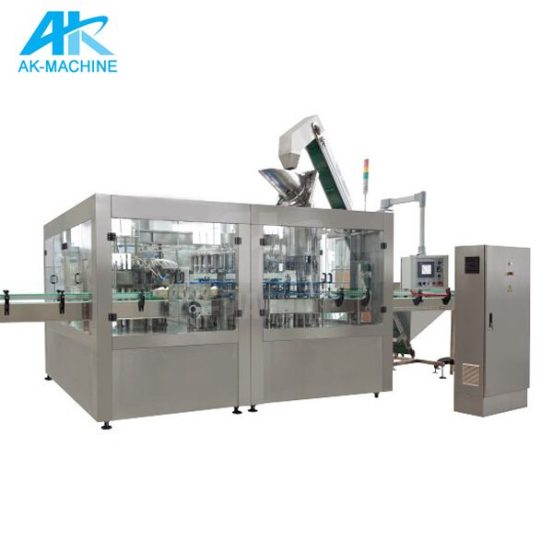
Water Bottle Filling Machine Precise Fill Volume Control
The most fundamental quality requirement for a water bottle filling machine is precise fill volume control. Every bottle must contain the exact volume stated on the label—no more, no less. Overfilling gives away profit with every bottle, while underfilling violates weights and measures regulations and disappoints customers. Modern water bottle filling machines achieve precise fill control through several mechanisms. Volumetric filling uses piston pumps or flow meters to measure the exact volume of water dispensed into each bottle. Time-based filling uses precisely timed valve openings to control the fill volume. Level-sensing filling uses sensors to detect when the liquid reaches the correct level in the bottle. The most accurate systems combine multiple methods for redundancy and quality assurance. The machine must also account for variables that affect fill volume, such as liquid temperature, pressure fluctuations, and bottle size variations. Advanced filling machines include automatic adjustment systems that compensate for these variables in real time, maintaining consistent fill volumes across thousands of bottles per hour. For producers of premium bottled water, fill volume consistency is not just a regulatory requirement—it is a matter of brand integrity. I have worked with quality assurance managers who discovered significant fill volume variations in their production—and traced the problem to a filling machine that was not properly calibrated for their bottle size.
Water Bottle Filling Machine Hygiene and Sanitization
The second critical factor in water bottle filling machine quality is hygiene and sanitization. Bottled water is a food product, and the filling machine must maintain the highest standards of cleanliness to prevent contamination. The filling machine comes into direct contact with the water and the bottle interiors—any contamination at this stage will reach the consumer. Modern water bottle filling machines are designed for easy cleaning and sanitization. All food-contact surfaces should be made from stainless steel or other corrosion-resistant materials. The machine should include CIP (clean-in-place) systems that automatically circulate cleaning and sanitizing solutions through the filling heads and product pathways. For hot-fill applications, the machine may use hot water or steam for sanitization. The filling environment itself should be controlled to prevent airborne contamination. Many bottling operations use laminar airflow hoods or positive pressure enclosures around the filling area to maintain air quality. For sensitive products such as natural mineral water or spring water, the filling machine may include sterile filtration of the air used in the filling process. Regular microbiological testing of the filling machine and the finished product is essential for verifying hygiene effectiveness. I have worked with quality assurance professionals who traced a contamination issue to a filling machine that was not being properly sanitized between production runs.
Water Bottle Filling Machine Integration with Quality Inspection
The third critical factor in water bottle filling machine quality is integration with quality inspection systems. A filling machine is only as good as its ability to detect and reject defective bottles before they reach the customer. Modern filling lines integrate multiple inspection systems that work in real time to ensure product quality. Fill level inspection uses sensors or cameras to verify that every bottle contains the correct volume. Cap inspection verifies that each bottle is properly sealed and that the cap is correctly positioned. Label inspection checks that labels are present, correctly positioned, and free from defects. Vision systems inspect bottles for defects such as cracks, discoloration, or foreign objects. Rejection systems automatically remove defective bottles from the line without interrupting production. The data from these inspection systems can be integrated with the machine controls to identify and correct quality issues in real time. For producers with high-quality standards, this integrated quality assurance is essential for maintaining consumer trust and avoiding costly recalls. I have worked with plant managers who invested in high-speed filling equipment but failed to include adequate inspection systems—and found that quality issues were only detected days later, after thousands of defective bottles had already been shipped.
Conclusion
A water bottle filling machine ensures consistent quality in bottled water production through precise fill volume control that delivers the exact amount in every bottle, rigorous hygiene and sanitization that prevents contamination, and integration with quality inspection systems that detect and reject defective bottles before they reach customers. For plant managers, quality assurance professionals, and procurement executives, the water bottle filling machine is not just production equipment—it is the guardian of product quality and brand reputation. In an industry where trust is everything, the right water bottle filling machine is not just a machine—it is a promise of quality.
