How Does a Sunshade Net Machinery Extrusion Line Improve Agricultural and Industrial Fabric Producti
Author : HitokaCece HitokaCece | Published On : 15 Jul 2026
Introduction
Over the years in the plastic extrusion machinery industry, I have seen the growing demand for sunshade nets across agriculture, construction, and industrial applications. These versatile nets protect crops from excessive sunlight, shield construction sites from debris, and serve countless other functions. The yarns that form these nets are produced by specialized sunshade net machinery extrusion lines. These systems process polymers such as PP and HDPE into flat yarns and monofilaments, which are then woven into nets of various sizes and specifications. Having worked with manufacturers across multiple regions, I have seen how the right sunshade net machinery can transform production efficiency and product quality. In this article, I want to share how sunshade net machinery extrusion lines improve agricultural and industrial fabric production.
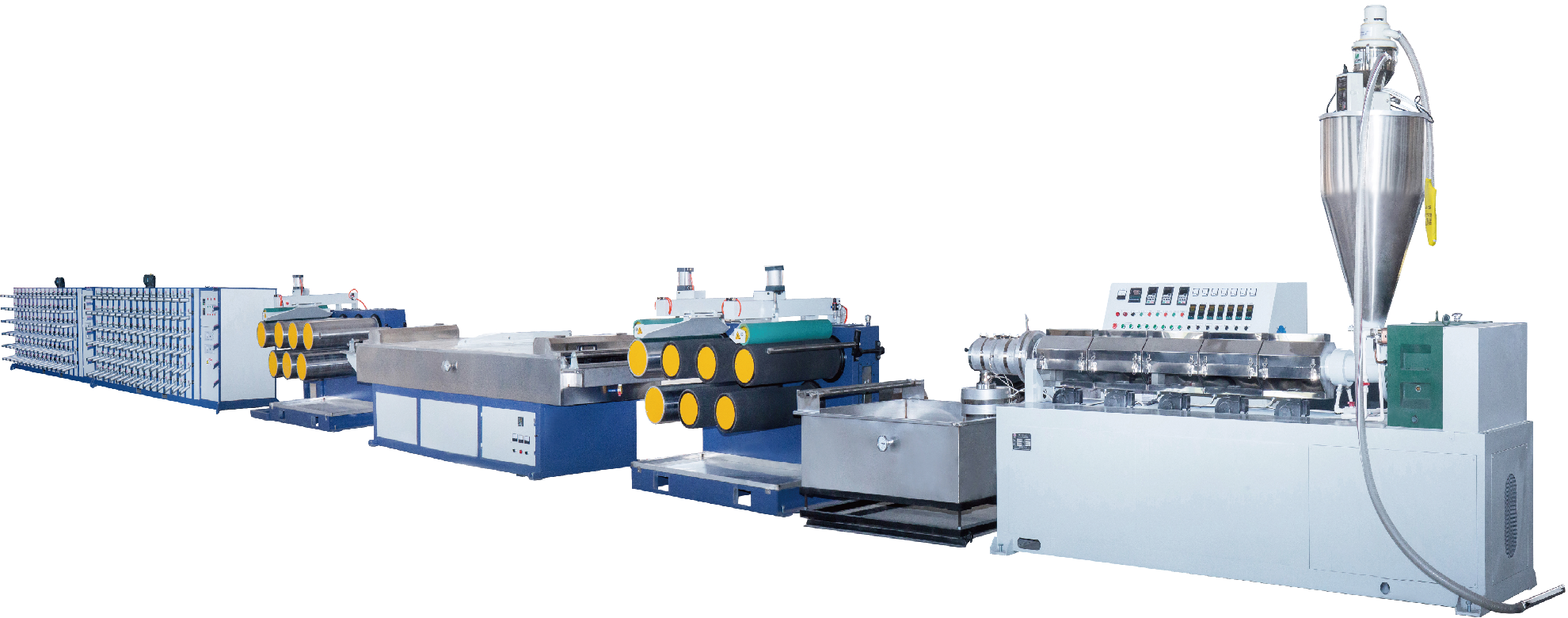
Sunshade Net Extrusion Line Specialized Yarn Formation
The foundation of sunshade net production is specialized yarn formation. Sunshade net machinery extrusion lines are designed to produce the specific yarn types required for net weaving—both flat yarns and monofilaments. Flat yarns are produced through film tape extrusion, where polymer is extruded into a film, slit into tapes, and stretched to achieve the required strength. Monofilaments are produced through a separate extrusion process that creates round, uniform filaments. The ability to produce both yarn types on the same line provides manufacturers with operational flexibility. The yarns must meet specific tensile requirements for different net applications, and the line configuration can be adjusted accordingly. Quality sunshade net machinery incorporates precise control systems that maintain consistent yarn properties throughout production runs. I have worked with net manufacturers who upgraded to specialized sunshade net extrusion lines and saw significant improvements in yarn quality and production consistency.
Sunshade Net Extrusion Line Efficient Flat and Monofilament Production
Modern sunshade net machinery extrusion lines deliver efficient production of both flat and monofilament yarns. The flat yarn production process begins with material extrusion, followed by film slitting and tape stretching. The monofilament production process involves extruding round filaments, cooling them in a water bath, and winding them onto spools. Both processes are integrated into a single production line, enabling manufacturers to switch between yarn types as needed. The line includes essential components such as extruders, screen changers, dies, water quench systems, film take-off and slitting devices, traction systems, hot air ovens, stretching and annealing units, and winding units. This comprehensive configuration ensures that every stage of yarn production is optimized for quality and efficiency. For net manufacturers, the ability to produce both yarn types efficiently means greater flexibility in responding to market demands.
Sunshade Net Extrusion Line Versatile Application Support
The third key advantage of sunshade net machinery extrusion lines is their support for versatile applications. The yarns produced by these lines are used in a wide range of products: agricultural sunshade nets that protect crops from excessive sunlight, shade nets for greenhouses that create optimal growing conditions, construction safety nets that protect workers and the public, and industrial fabrics used in countless applications. The nets can be woven in widths ranging from 2 meters to 12 meters or more, accommodating different application requirements. The versatility of sunshade net machinery enables manufacturers to serve multiple markets with a single production line. I have worked with manufacturers who expanded their product offerings by leveraging the versatility of their sunshade net extrusion equipment, moving from basic agricultural nets to specialized industrial fabrics.
Conclusion
Sunshade net machinery extrusion lines improve agricultural and industrial fabric production through three key advantages: specialized yarn formation that produces both flat yarns and monofilaments with specific tensile properties; efficient flat and monofilament production through integrated, comprehensive line configurations; and versatile application support that enables production of nets for agriculture, construction, and industrial use. For manufacturers seeking to serve the growing sunshade net market, advanced extrusion machinery is not just equipment—it is the foundation of product quality, production efficiency, and market competitiveness.
