How Does a Single Phase to 3 Phase Converter Enable Three Phase Equipment in Residential and Light C
Author : HitokaCece HitokaCece | Published On : 14 Jul 2026
Introduction
For years, the single phase to three phase converter was a niche product, used primarily by hobbyists and small workshops. Today, it has become an essential tool for a much broader audience. Residential workshops, small manufacturing facilities, light commercial operations, and even agricultural sites all face the same challenge: they need to run three-phase equipment but only have single-phase power available. The solution is a single phase to 3 phase converter. These devices transform standard single-phase power into three-phase power, enabling the operation of motors, compressors, pumps, and other equipment that would otherwise require a costly utility upgrade. Having worked in the power conversion industry for years, I have seen how the right phase converter can unlock new capabilities for businesses and individuals alike. In this article, I want to explain how these devices work and what you should consider when selecting one.
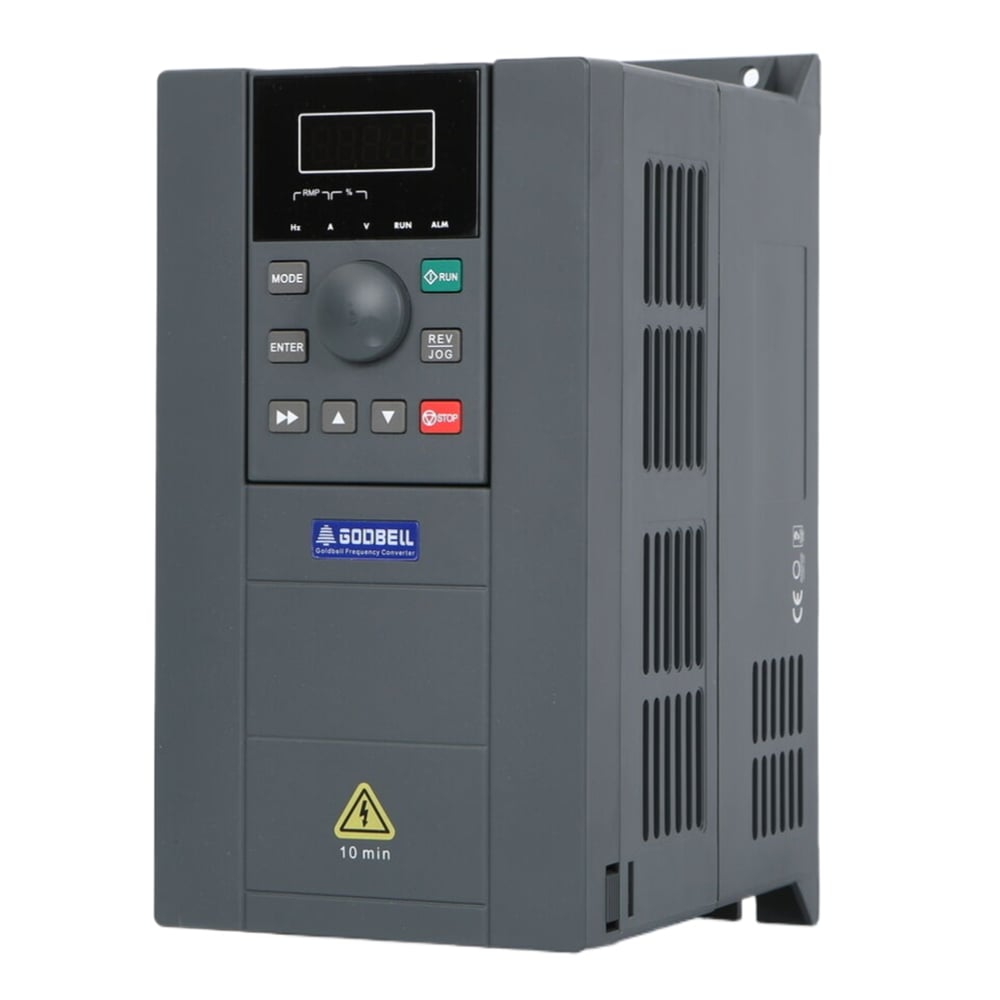
Single to 3 Phase Converter Operating Principles
Understanding how a single phase to 3 phase converter works is essential for selecting the right device for your application. At its core, a phase converter takes single-phase input power and generates the missing phases needed for three-phase operation. The most common type is the rotary phase converter, which uses a motor-generator set to create the third phase. A rotary phase converter consists of an idler motor and a control panel. The idler motor, when started, generates the third phase through electromagnetic induction. This design is robust and can handle starting large motors with high inrush currents. Static phase converters, by contrast, use capacitors and solid-state electronics to create a phase shift. They are simpler and more affordable but are generally limited to smaller loads and may not provide the same level of performance under varying loads. Digital phase converters represent the latest evolution, using microprocessor-controlled electronics to generate clean, balanced three-phase power. These offer the best performance but come at a higher cost. When evaluating phase converter options, consider your power requirements, the type of equipment you will be running, and your budget.
Phase Converter Sizing and Application Matching
Proper sizing is critical to phase converter performance and longevity. An undersized converter will struggle to start motors and may trip under load. An oversized converter wastes energy and increases costs unnecessarily. The key factor in sizing is the total horsepower of the equipment you plan to operate. For rotary phase converters, a common rule of thumb is to size the converter for the largest motor you will run, with an additional capacity factor for multiple motors starting simultaneously. The starting current of motors can be three to six times the running current, so the converter must be able to handle these surges. For applications with varying loads, look for converters with overload protection and automatic voltage regulation. The converter should also be compatible with the specific type of equipment you are powering. Some equipment, such as CNC machines and variable frequency drives, require clean, stable power and may not perform well with certain types of phase converters. I have worked with facilities that purchased undersized converters and experienced frustrating starting problems. Taking the time to properly size your phase converter saves money and frustration in the long run.
Frequency Converter Installation and Maintenance
Proper installation and maintenance are essential for reliable phase converter operation. The converter should be installed in a clean, dry, well-ventilated location, away from excessive heat, moisture, and vibration. The input power supply must be adequate for the converter's rated capacity, with proper circuit protection and wiring. The output wiring to the equipment must be appropriately sized for the load and properly terminated. Grounding is critical for both safety and performance. A poor ground can lead to erratic operation and increased risk of electrical shock. Regular maintenance includes checking connections, cleaning the unit, and inspecting for signs of overheating or wear. For rotary phase converters, the idler motor should be lubricated according to the manufacturer's recommendations. The control panel should be inspected periodically for loose connections or component damage. I have worked with facilities that neglected maintenance and experienced unexpected failures at the worst possible times. A simple maintenance schedule can prevent most problems and extend the life of your phase converter significantly.
Conclusion
Single phase to three phase converters enable the operation of three-phase equipment in locations where only single-phase power is available, opening up new possibilities for residential workshops, small manufacturing facilities, and light commercial operations. By understanding the operating principles of different converter types, properly sizing the converter for your application, and following proper installation and maintenance practices, you can enjoy reliable, cost-effective three-phase power without the expense of a utility upgrade. In a world where flexibility and capability matter, the right phase converter is not just a convenience—it is a business enabler.
