How Does a Colloidal Gold Rapid Test Kit Enable Point-of-Care Diagnosis?
Author : HitokaCece HitokaCece | Published On : 14 Aug 2026
Introduction
In the world of in vitro diagnostics, speed and accessibility are everything. I have seen colloidal gold rapid test kits transform healthcare delivery in settings ranging from rural clinics to emergency rooms, delivering reliable results in minutes without the need for expensive equipment or highly trained technicians. The colloidal gold rapid test kit is a rapid diagnostic tool based on colloidal gold immunochromatography to detect specific antigens or antibodies in a sample. This technology exploits three core procedures: immunochromatographic separation on nitrocellulose membranes, colloidal gold nanoparticles (20–40 nm) conjugated with monoclonal antibodies as visual probes, and capillary flow-driven antigen-antibody binding. Let me explain how this technology enables point-of-care diagnosis and why it has become essential in modern healthcare.
The Principle of Colloidal Gold Immunochromatography in Rapid Test Kits
The colloidal gold rapid test kit operates on the principle of immunochromatography, combining the specificity of antigen-antibody interactions with colloidal gold labeling. When a sample is applied to the test strip, it migrates by capillary action along a nitrocellulose membrane. If the target antigen is present, it binds to the colloidal gold-labeled antibodies, forming a complex that continues to migrate until it reaches the test line, where it is captured by immobilized antibodies. This produces a visible red or purple line, indicating a positive result. The entire process typically takes 5 to 15 minutes. The colloidal gold nanoparticles serve as visual probes, making the test results readable without any instrument. This simplicity is what makes the colloidal gold rapid test kit ideal for point-of-care settings where laboratory infrastructure is limited.
Manufacturing Quality and Performance of Colloidal Gold Rapid Test Kits
The performance of a colloidal gold rapid test kit depends on the quality of its manufacturing. Key components include colloidal gold markers, antibodies, test strips or cards, and sample processing solutions. Particle size of the colloidal gold is critical—it sets the sol‘s optical color, controls how much antibody the surface can carry, and drives how consistently the test performs. Well-controlled colloidal gold formulations used as test kits have a shelf life of 24 months at room temperature. Each kit undergoes a strict quality control process from research and development and design to production and delivery. Production workshops are constructed in accordance with international standards and equipped with advanced automated production equipment. For procurement professionals, understanding these quality parameters is essential for sourcing reliable colloidal gold rapid test kits.
Clinical Applications and Market Demand for Colloidal Gold Rapid Test Kits
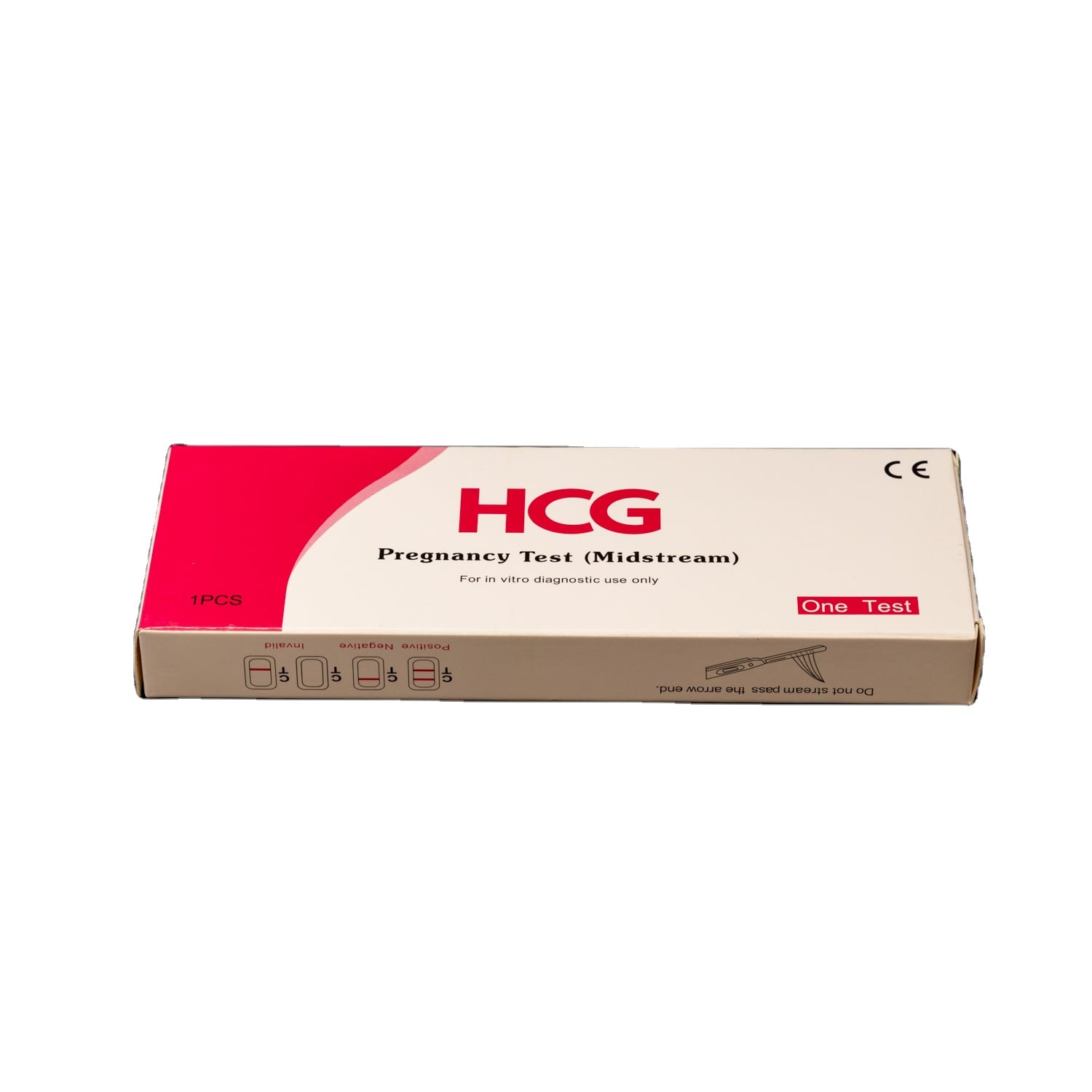
Colloidal gold rapid test kits are used across a wide range of clinical applications. In infectious disease testing, these kits provide rapid detection of viral antigens, such as the SARS-CoV-2 nucleocapsid protein, offering a faster and more accessible diagnostic approach compared to PCR. In pregnancy and fertility testing, colloidal gold technology enables accurate, early detection of human chorionic gonadotropin and luteinizing hormone. The global colloidal gold antigen detection kit market is projected to grow from USD 2,276 million in 2025 to USD 3,587 million by 2031, driven by the increasing demand for rapid, point-of-care diagnostic solutions. This growth reflects the technology‘s value in improving healthcare access and outcomes worldwide.
Conclusion
Colloidal gold rapid test kits enable point-of-care diagnosis through the principle of immunochromatography, combining antigen-antibody specificity with colloidal gold nanoparticles as visual probes. Manufacturing quality—including particle size control, antibody conjugation, and stringent quality control—determines kit performance and reliability. And the growing clinical applications and market demand reflect the essential role of this technology in modern healthcare. By understanding the science, quality considerations, and applications of colloidal gold rapid test kits, healthcare procurement professionals and distributors can make informed sourcing decisions that improve patient care.
