How Do You Specify an Oil Tank Truck for Different Fuel and Chemical Hauls?
Author : HitokaCece HitokaCece | Published On : 21 Sep 2026
An oil tank truck is not a one size fits all product. A truck configured for diesel distribution in a city operates under very different conditions from a truck hauling chemicals across long distances. The tank material, compartment layout, discharge system, and safety features must all match the actual haul. For B2B buyers sourcing tank trucks for export, getting the specification right is the difference between a truck that earns money and one that sits idle.
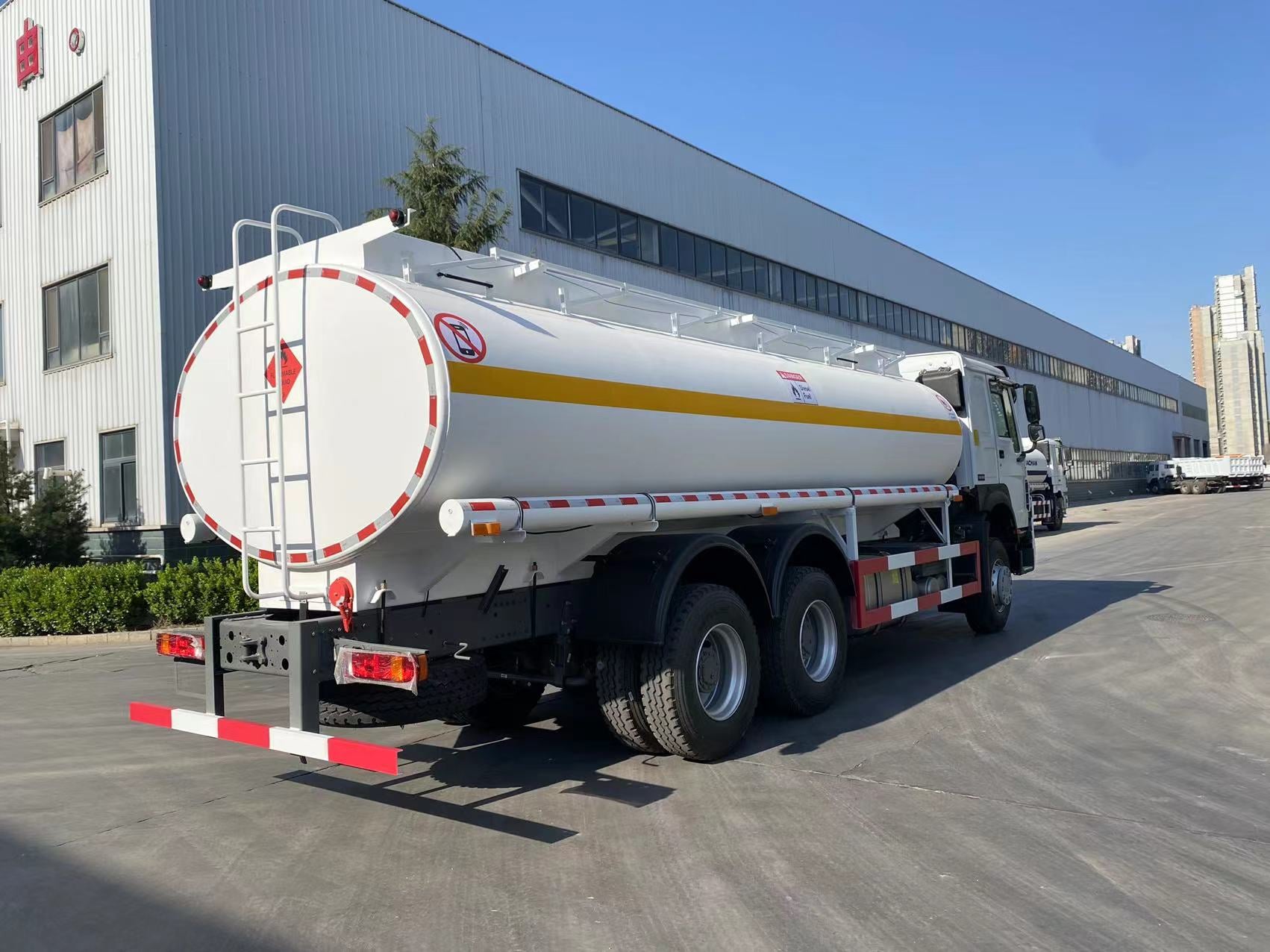
Oil Tank Truck Tank Shell and Material Selection
The tank shell is the core of the oil tank truck. For carbon steel tanks carrying hazardous liquids, shell thickness must meet the 5 mm to 6 mm requirement. Thinner material may save weight but creates risk on rough roads where liquid movement generates internal pressure against the tank walls. Aluminum alloy tanks offer a lighter alternative with corrosion resistance more than 70% higher than ordinary carbon steel. The trade off is cost. Aluminum tanks cost more upfront but reduce fuel consumption and increase payload capacity. Every ton of weight reduced saves approximately 0.6 liters of diesel per 100 kilometers. For high mileage operations, the fuel savings can recover the price difference within a few years.
Anti-corrosion treatment is equally important. Fuel and chemicals react with metal over time, especially in humid or coastal environments. Buyers should request video proof of the internal coating and recent pressure test results from the supplier. A tank that looks clean on the outside may have internal corrosion that shortens its service life. The interior welding seams should be smooth and consistent, not rough or overlapping.
Fuel Tanker Truck Compartment and Discharge Configuration
Compartment configuration determines how many different products the truck can carry in one trip. A fuel tanker truck with multiple compartments can deliver diesel, gasoline, and kerosene to different customers without cross contamination. The number of compartments depends on the delivery pattern. A truck serving a single fuel depot may need only one or two compartments. A truck delivering to multiple gas stations may need four or five.
Discharge systems also matter. Gravity discharge is simple and reliable but slower. Pump discharge is faster and allows the driver to unload without positioning the truck at a specific angle. For chemical hauling, the discharge system must be compatible with the product. Some chemicals require lined pumps or special seals. Buyers should specify the discharge method based on the delivery environment. A truck that will unload at a modern depot can use a pump system. A truck delivering to remote sites may need gravity discharge because spare parts for pumps are hard to find.
Oil Tank Truck Safety and Regulatory Compliance
Safety features are not optional on a tank truck. Emergency shut off valves prevent spills if a hose breaks. Overfill prevention devices stop the tank from being filled beyond its safe capacity. Static eliminators discharge electricity that builds up during loading and unloading. These features protect the truck, the driver, and the environment.
Regulatory compliance varies by market. The ADR regulations in Europe and similar standards in other regions define tank construction, testing, and labeling requirements. A truck that does not meet the destination market’s regulations may be held at customs or rejected at the delivery site. Buyers should confirm the specific certification required and ask the supplier for documentation. For export markets, the supplier should provide material test reports, non destructive testing results, and pressure certification records. A supplier that cannot provide these documents is a risk.
Conclusion
Specifying an oil tank truck requires matching tank material, compartment layout, discharge system, and safety features to the actual haul. Carbon steel is the standard for hazardous liquids, while aluminum offers weight and corrosion advantages for high mileage operations. Buyers should verify compliance documentation before placing an order. The right specification protects the investment and ensures the truck performs reliably over its service life.
