How Do You Select the Right Aluminum Tank Truck for Fuel Distribution?
Author : HitokaCece HitokaCece | Published On : 21 Sep 2026
Fuel distribution is a demanding application. The truck must carry hazardous liquids safely, comply with regulations, and operate efficiently over long distances. Aluminum tank trucks have become the preferred choice for many fuel distributors because they offer weight savings, corrosion resistance, and lower operating costs. But selecting the right aluminum tank truck requires more than choosing a tank capacity.
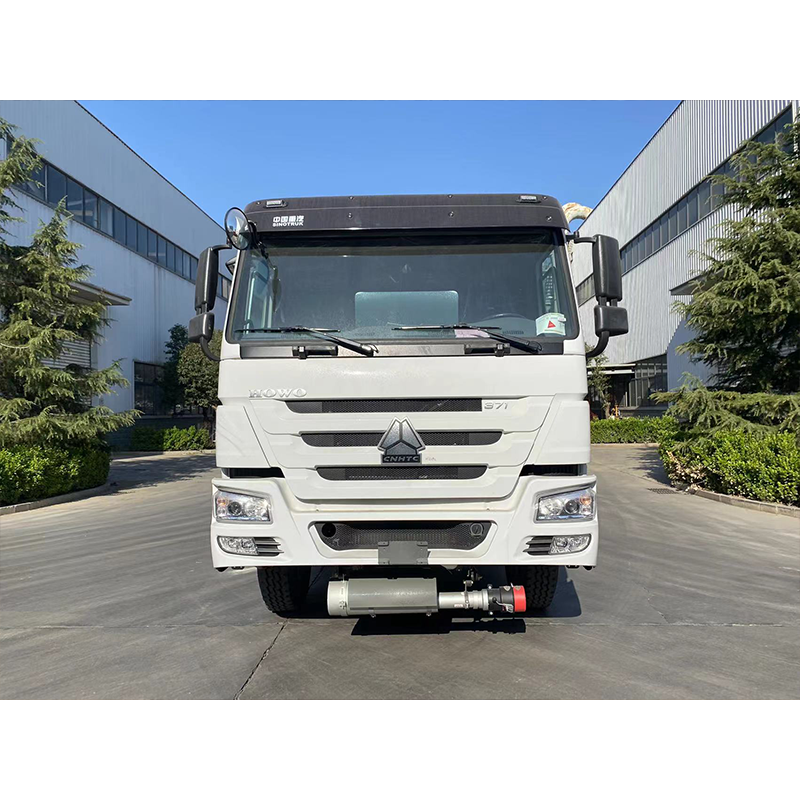
Aluminum Tank Truck Capacity and Compartment Layout
Tank capacity determines how much fuel can be delivered in one trip. Common capacities for aluminum tank trucks range from 15,000 to 45,000 liters. The right capacity depends on the delivery pattern. A truck delivering to a single large fuel depot may need a large single compartment tank. A truck delivering to multiple gas stations may need several smaller compartments.
Compartment layout affects operational flexibility. A truck with multiple compartments can carry different grades of fuel in one trip. The number of compartments should match the number of products being delivered. Each compartment should have its own manhole, discharge valve, and level gauge. Buyers should specify the compartment sizes based on the delivery volumes required. A compartment that is too large for the demand wastes capacity. A compartment that is too small requires more frequent refilling.
Aluminum Tank Truck Discharge and Pump Systems
The discharge system determines how quickly the truck can unload. Gravity discharge is simple and reliable but slow. Pump discharge is faster and allows the driver to unload without positioning the truck at a specific angle. Most fuel distribution trucks use a positive displacement pump driven by the truck engine or a separate motor.
The pump should be sized to match the discharge requirements. A larger pump unloads faster but costs more and requires more power. A smaller pump is less expensive but may take too long for high volume deliveries. The discharge hoses and fittings should be compatible with the fuel being carried. For multi compartment trucks, the piping should allow each compartment to discharge independently.
Aluminum Tank Truck Safety and Regulatory Features
Safety features are essential on a fuel distribution truck. Emergency shut off valves stop the flow if a hose breaks. Overfill prevention devices stop the tank from being filled beyond its safe capacity. Static eliminators discharge electricity that builds up during loading and unloading. A low center of gravity design reduces the risk of rollover.
Regulatory compliance varies by market. The ADR regulations in Europe and similar standards in other regions define tank construction, testing, and labeling requirements. The aluminum tank truck should be certified to the appropriate standard for the destination market. Buyers should request test certificates and material documentation from the supplier. A truck that does not meet the local regulations cannot be operated legally and may be refused at customs.
Conclusion
Selecting the right aluminum tank truck for fuel distribution requires matching capacity, compartment layout, discharge system, and safety features to the delivery pattern and regulatory environment. Aluminum offers weight and corrosion advantages that reduce operating costs over the life of the truck. Buyers should verify compliance and choose a supplier who can provide the necessary documentation.
