How Do You Reduce Heat Buildup in a Memory Foam Mattress?
Author : HitokaCece HitokaCece | Published On : 21 Oct 2026
Memory foam mattress comfort comes from its ability to contour to the body. That same quality is also the source of its most common complaint: heat. The foam absorbs body heat and holds it close to the sleeper. In cool climates and short sleeping periods, this warmth feels pleasant. In hot climates, in shared beds, or for sleepers who sweat at night, it becomes uncomfortable. Reducing heat buildup is not about removing the contouring comfort. It is about designing the mattress so that heat can escape.
Memory Foam Mattress Heat Retention Causes
Heat retention begins with the foam structure. Traditional memory foam has a closed cell or semi closed cell structure. The cells trap air and resist airflow. When the body presses into the foam, the air inside the cells is compressed and cannot move. Heat builds up in the compressed area and spreads slowly. Higher density foam contains more material and holds more heat. This is why very high density memory foam can feel warmer than medium density foam.
The cover also contributes to heat. A thick, non breathable cover traps heat near the surface. A mattress with a dense cover may feel warm even if the foam itself is designed to dissipate heat. Buyers should look at the whole system, not just the foam. The way the mattress is constructed, the cover material, and the foundation underneath all affect how heat moves away from the sleeper.
Memory Foam Mattress Cooling Technologies
Several technologies are used to reduce heat. Gel infusion adds gel particles to the foam. The gel is intended to absorb and distribute heat more evenly. Open cell foam uses a different cell structure that allows air to move through the foam. This improves airflow and reduces heat buildup. Phase change materials absorb heat when the temperature rises and release it when the temperature falls, which can smooth out temperature swings during the night.
Each technology has limits. Gel infusion can help, but it does not turn a warm mattress into a cool one. Open cell foam improves airflow, but it may reduce the firmness or durability of the foam. Phase change materials work best when they are close to the body and when the surrounding environment allows heat to escape. Buyers should ask suppliers for test data and avoid products that promise unrealistic cooling performance.
Memory Foam Mattress Cover and Airflow Design
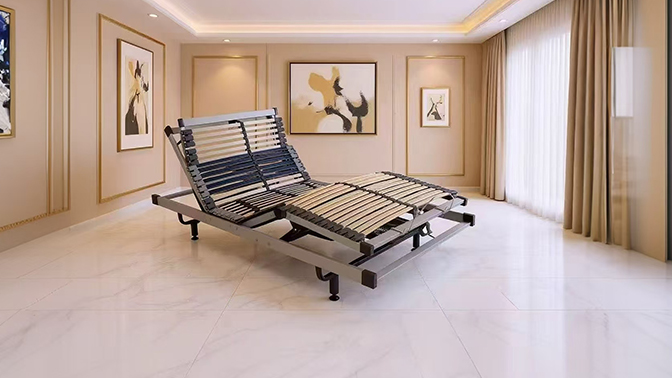
The cover and the foundation are part of the cooling system. A breathable cover with moisture wicking properties helps move heat and moisture away from the body. A cover that is removable and washable also supports hygiene. The foundation should allow air to circulate under the mattress. A solid platform traps heat, while a slatted frame or a breathable foundation allows heat to escape downward.
Buyers should match the cooling design to the market. In hot climates, open cell foam with a breathable cover and a slatted foundation may be the best combination. In cooler climates, a warmer memory foam mattress may be acceptable. The goal is not to make every mattress cold. It is to make the mattress comfortable for the climate and the customer. A well designed memory foam mattress can provide contouring comfort without overheating.
Conclusion
Reducing heat buildup in a memory foam mattress requires attention to foam structure, cooling technologies, cover design, and foundation airflow. Buyers should evaluate the full system rather than a single feature. The right combination delivers the comfort customers expect without the heat they complain about.
