How Do You Match a Servo Motor to a Motion Control Application?
Author : HitokaCece HitokaCece | Published On : 21 Oct 2026
A servo motor is used when a machine needs precise control of position, speed, or torque. It is common in robotics, packaging machinery, CNC equipment, and automated assembly. The servo motor works with a drive and a controller to follow a motion profile. Matching the motor to the application requires understanding the load, the motion profile, and the control system.
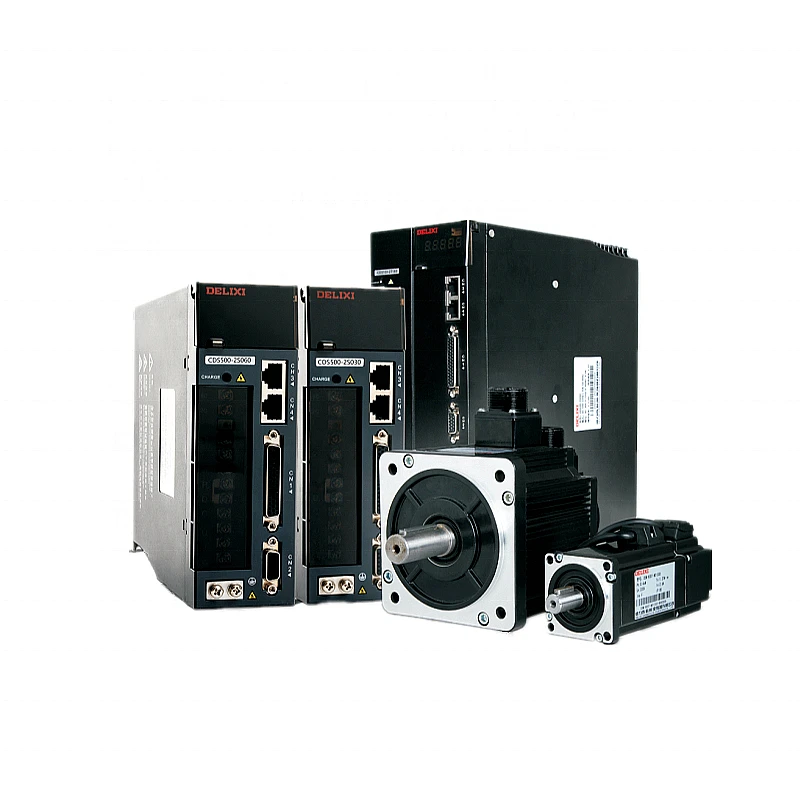
Servo Motor Torque and Load Requirements
The first step is calculating the required torque. The torque must accelerate the load, overcome friction, and handle the process force. The motor’s continuous torque must exceed the RMS torque of the cycle. The peak torque must exceed the maximum torque required during acceleration or cutting.
Buyers should provide the motion profile to the supplier. The profile includes acceleration, constant speed, deceleration, and dwell times. A motor that is sized only for continuous torque may overheat during acceleration. A motor that is oversized adds cost and inertia.
Servo Motor Inertia and Dynamic Performance
Inertia ratio is the ratio of load inertia to motor inertia. A high inertia ratio makes the system harder to control and may cause oscillation. A low inertia ratio makes the system more responsive. The acceptable ratio depends on the application and the drive. Buyers should calculate the inertia ratio and confirm that the drive can handle it.
Dynamic performance also depends on the encoder. A high resolution encoder provides better position feedback and smoother motion. A lower resolution encoder may be sufficient for simple applications. Buyers should match encoder resolution to the required positioning accuracy.
Servo Drive Compatibility and System Integration
The servo drive must be compatible with the motor. Voltage, current, feedback type, and communication protocol must match. A drive from one manufacturer may not work with a motor from another. Buyers should confirm compatibility before ordering.
System integration includes the controller and the network. The controller must be able to send commands and receive feedback. The network must support the required update rate. Buyers should test the system with the actual motion profile. A well matched servo motor and drive deliver precise motion and reliable operation.
Conclusion
Matching a servo motor to a motion control application requires calculating torque, checking inertia ratio, selecting encoder resolution, and confirming drive compatibility. Buyers should test the system with the real motion profile. The right servo motor delivers precision and reliability.
