How Do You Know Your Eyebrows Healing Process Is Normal?
Author : Susan Armadale | Published On : 13 Nov 2026
Around day six, a lot of people stare at their brows in the bathroom mirror and wonder if something went wrong. The shape looks uneven, the color has faded, and there are little flakes that definitely weren’t there last week. If that sounds familiar, take a breath. Most of what looks alarming is a normal part of the eyebrows healing process, and knowing which signs are fine and which ones aren’t will save you a lot of stress.
I’ll be straight with you. A few things do need attention, and I’ll cover those too. People also tend to ask side questions around this time. Some want to know how laser facial vs tattoo removal compares, because they’ve heard lasers can change pigment and they’re wondering what that means for brows. Others ask how artists learn to handle problem cases, which is where a solid PMU apprenticeship comes in. So let’s walk through it in plain language, like you’re asking a friend who has been through it.
What Normal Healing Actually Looks Like
Most worry comes from not knowing the usual pattern, so here it is. Right after the session your brows look darker, thicker and sharper than the final result. That’s expected, because fresh pigment sits on freshly worked skin. A little redness and tenderness is fine too, something like a mild sunburn along the brow line.
Over the next few days the skin feels tight and starts to dry. Light flaking begins around day four or five, and the brows can look uneven or blotchy while it happens. Itching is common and annoying. Between days five and ten, the color often looks like it faded or vanished, and this is the stretch that sends people back to the studio in a panic. The pigment hasn’t left. It’s sitting under a new layer of skin that hasn’t finished renewing.
Then things calm down. Over the next couple of weeks the color rises back up, usually softer and warmer than it looked at the start. By week four you can judge the real shade. That whole sequence of dark, flaky, faded and then settled is what a healthy eyebrows healing process looks like for most people. If yours follows that pattern, even if it looks ugly in the middle, you’re very likely on track.
What isn’t normal is pain that keeps increasing, heat spreading outward from the brows, swelling that gets worse after the first couple of days, yellow or green discharge, or a fever. Those can be signs of infection. Don’t wait and see. Contact your artist and your doctor straight away.
Common Worries And What Usually Causes Them
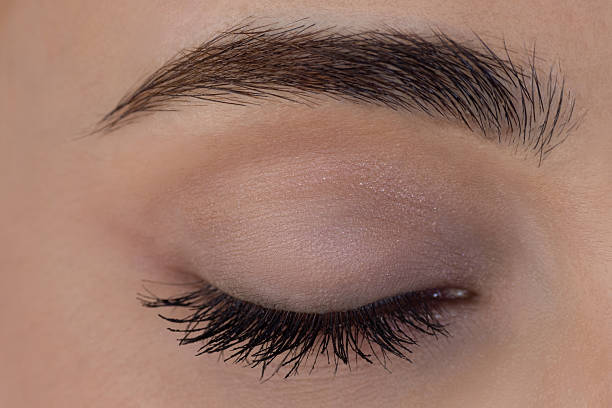
Patchiness is the most frequent complaint. Some strokes look light or missing after healing, and that’s usually because healing is never perfectly even. Skin type, how much ointment was used and whether the area got picked all play a part. That’s why nearly every artist schedules a touch up four to eight weeks later, so the light spots can be filled in. Don’t try to fix it yourself before then.
Another worry is color. Brows that look too dark in week one are normal, since they soften as they heal. But sometimes the shade heals cooler than you hoped, a bit gray or ashy, or warmer, leaning orange or red. This often comes down to the pigment, your natural undertones and how your skin metabolizes color. A good artist picks shades with that in mind, and a touch up can usually adjust the tone. Take clear photos in natural light and bring them to your follow up visit, since indoor lighting can fool you.
Overdoing the ointment is a sneaky cause of trouble. People think more product means faster healing, but too much traps moisture, softens the skin and can make pigment heal blotchy. A thin layer is enough. Soaking is another one. Hot showers aimed at your face, pools, saunas and sweaty workouts in the first week can all push pigment out. Sleeping on your face and rubbing your brows with a towel don’t help either.
Then there’s picking, the classic. When little scabs form, they feel like they’re begging to be removed. If you pull one early, it can take pigment with it and leave a gap. The itch passes, and the gap doesn’t. If your skin feels intensely itchy, ask your artist what they recommend instead of scratching.
If anything feels off, send a photo to your artist. A good studio would much rather answer a question on day four than see an unhappy client at week six.
When You Want To Change Or Lighten Brows
Sometimes the problem isn’t healing, it’s that you don’t love the result. Maybe the color is stronger than you pictured, or the shape isn’t quite right, or you’re looking at old brows from years ago that never aged well. At this point people start asking about laser facial vs tattoo removal, and it’s worth knowing that they aren’t the same thing.
A laser facial is meant to improve tone, texture and surface problems on regular skin. Tattoo removal uses stronger, more targeted laser energy to break up pigment so your body can clear it away. Both use light, and both can affect brow pigment, which is why you should never have either one near your brows without telling the provider about your permanent makeup. Understanding laser facial vs tattoo removal helps you ask better questions, but the right path depends on what you want to fix.
Here’s the part that surprises people. Removal usually isn’t the first step. Many brow concerns can be handled with a correction session, a color adjustment or just more time to let the pigment settle. If the old work is truly too dark or off tone, lightening it first and then reshaping can give a better result than starting over. All of this should wait until your brows have completely healed, so don’t book anything while the skin is still renewing.
Whatever you choose, give your skin recovery time between treatments, and keep sun off the area. A good artist will examine your brows in person, explain your options and tell you honestly if something isn’t worth doing. Beware of anyone who promises an instant fix.
Why An Artist’s Training Changes How Problems Get Handled
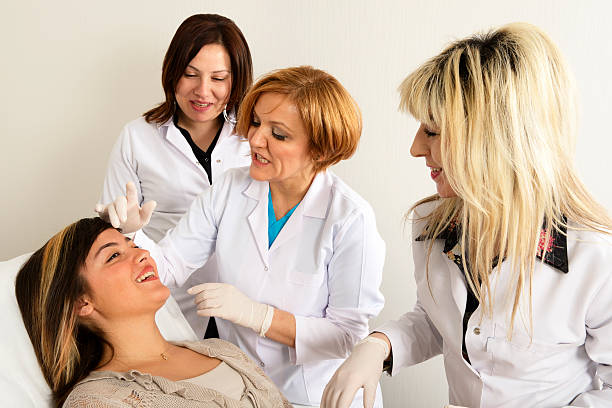
Everything above depends heavily on the person who did your brows. Healing problems are much easier to prevent, and much easier to fix, when the artist knows what they’re doing. That’s why training matters so much, and why a good PMU apprenticeship is worth understanding even if you never plan to become an artist.
A real PMU apprenticeship isn’t a weekend class with a certificate at the end. It means weeks of watching, practicing and being corrected by an experienced professional. Trainees learn skin anatomy, needle depth, color theory and how different skin types heal. They practice on skin alternatives first, then on real models under close supervision. They learn sanitation in detail, and they learn how to recognize a healing problem early.
What a strong PMU apprenticeship teaches that videos can’t is judgment. When should a client wait? Which skin type needs a different technique? How do you calm someone who’s panicking on day six and decide whether it’s normal or not? Those instincts come from watching dozens of healing cases beside a mentor.
If you’re thinking of training yourself, ask how many hours are hands on, how big the groups are and whether support continues after the course. Small groups and ongoing feedback beat crowded classrooms every time. And as a client, you’re allowed to ask where your artist trained. Someone who came up through a thorough PMU apprenticeship is usually happy to tell you, and that confidence tends to show in how calmly they handle questions about healing.
Conclusion
Getting through the eyebrows healing process is mostly about knowing the pattern, keeping your routine gentle and not panicking in the middle. Expect dark first days, a flaky stretch and a faded patch before the real color returns. Leave the scabs alone, use a thin layer of product and show up for your touch up. If you ever want to adjust the result later, understanding laser facial vs tattoo removal will help you ask the right questions, and your artist can guide you on the best route.
The training behind your artist matters too, and a solid PMU apprenticeship is a good sign of the care behind the work. GEM Beauty PMU offers permanent makeup services and training, so you can bring your healing questions to a team that explains things clearly. Reach out to GEM Beauty PMU and book a consultation or a check in when you’re ready. A little preparation now makes the whole process calmer.
FAQ
Q1. How long does it take for tattooed brows to fully heal?
The surface usually heals within one to two weeks, and the final color settles after about four weeks.
Q2. Is it normal for brows to look patchy while healing?
Yes, flaking and uneven color are normal, and the touch up session exists to fix any spots that healed lightly.
Q3. When should I worry about my brows?
Contact your artist and your doctor if you notice worsening pain, spreading redness, heat, swelling, discharge or a fever.
Q4. Can a laser treatment affect permanent brows?
Yes, it can lighten or change pigment, so always tell your provider about your brows and wait until they’ve fully healed.
Q5. What does a PMU apprenticeship involve?
It combines theory with practice on skin alternatives and supervised work on real models, guided by an experienced artist.
