How Do You Choose the Right Material for a Custom LED Display Cabinet?
Author : HitokaCece HitokaCece | Published On : 18 Sep 2026
The cabinet is the structural backbone of any LED display. It holds the modules, power supply, and receiving card in alignment, protects internal electronics from dust and moisture, and determines how precisely panels join together. When a project calls for a custom LED display cabinet, the material choice is often the first major decision. Get it right, and the screen performs reliably for years. Get it wrong, and weight, heat, and alignment problems surface quickly.
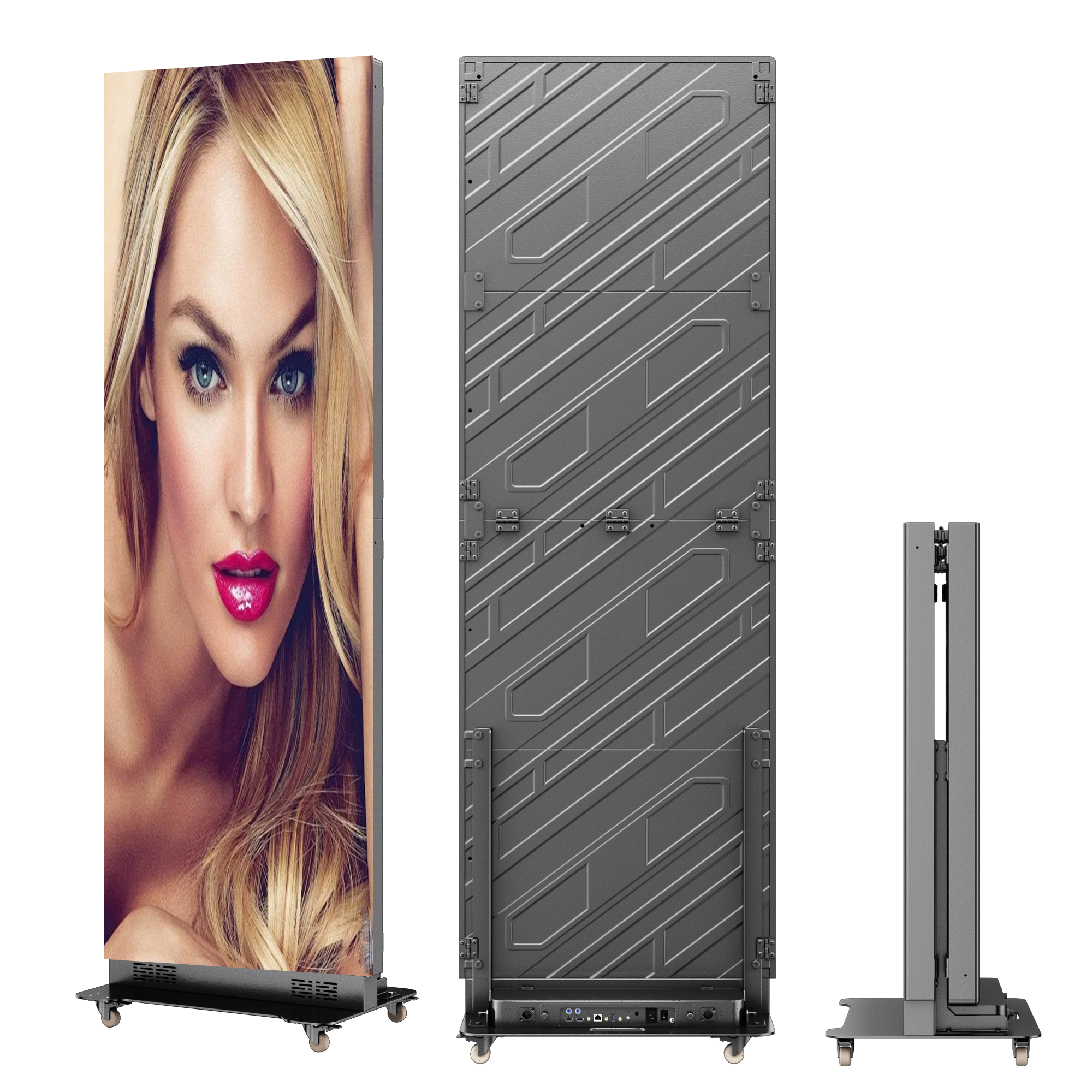
Material Options for a Custom LED Display Cabinet
Iron, die-cast aluminum, and carbon fiber are the three main categories buyers encounter. Iron cabinets remain the lowest-cost option and offer good sealing characteristics. Their main drawbacks are weight and long-term corrosion risk. Die-cast aluminum cabinets are formed in a single molding process, which gives them high dimensional consistency and flatness. That precision is why they dominate the rental market and increasingly appear in fixed installations. Carbon fiber cabinets sit at the premium end, offering extremely low weight with high tensile strength. A typical carbon fiber cabinet weighs only around 9.4 kg per square meter, compared with significantly heavier iron or aluminum alternatives. The trade-off is cost, which limits carbon fiber to projects where load reduction or transport savings justify the investment.
Custom LED Display Cabinet Structural Performance and Environmental Resistance
The material must handle the physical demands of the installation. For outdoor use, the cabinet needs to resist corrosion, ultraviolet exposure, and temperature swings. Die-cast aluminum performs well here because it does not rust like iron and maintains stable mechanical properties across a wide temperature range. Iron, by contrast, requires surface treatment and still risks oxidation over time, especially in coastal or humid environments. Carbon fiber is highly resistant to corrosion but needs careful handling during transport and installation because impact damage can compromise the composite structure. For indoor applications, the structural demands are lighter, but flatness and precision still matter because they affect visual quality.
Matching a Custom LED Display Cabinet to Project Requirements
The right material depends on the application, not on a single “best” choice. A fixed outdoor installation on a building facade prioritizes weather resistance and structural rigidity, which points toward die-cast aluminum. A rental operation that moves screens between venues prioritizes low weight and fast installation, where carbon fiber or lightweight aluminum cabinets reduce crew size and transport cost. A budget-conscious permanent installation may still find iron cabinets adequate if the structural load allows and the environment is not highly corrosive. The practical approach is to list the project constraints — weight limits, weather exposure, installation method, expected lifespan — and then match those to material capabilities. A cabinet that fits the project is worth more than a cabinet that is simply the most expensive.
Conclusion
Choosing the right material for a custom LED display cabinet requires a clear understanding of project demands. Iron offers low cost but adds weight. Die-cast aluminum provides precision and corrosion resistance for most applications. Carbon fiber delivers the lowest weight for rental and load-sensitive installations. The best decision comes from matching material strengths to the actual installation environment and operational needs.
